Rare Organism
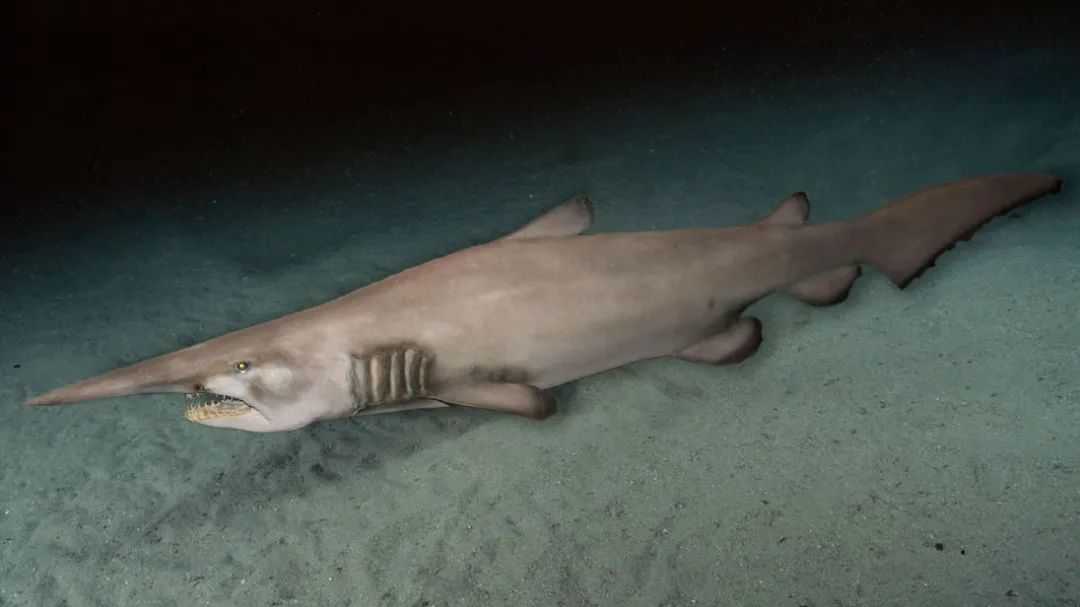
The Goblin Shark: A Slow - Moving Predator with a Deadly Surprise
Lurking in the ocean's depths, the goblin shark, a large - sized benthic predator, earns its name from its distinctive protruding snout, which resembles a sharpened dagger. Despite its menacing appearance, this shark defies expectations with its flabby muscles and sluggish, almost lethargic swimming style, often seen leisurely drifting through the water.

The Charming yet Deadly Pufferfish: A Marvel of the Seas
In the temperate and tropical waters of the world's oceans, the pufferfish, with its distinctive cylindrical body and measuring 15 to 30 centimeters in length, gracefully navigates its marine habitat. Feeding mainly on shellfish and algae, this unassuming creature has evolved a unique and captivating survival strategy that sets it apart from other sea dwellers.
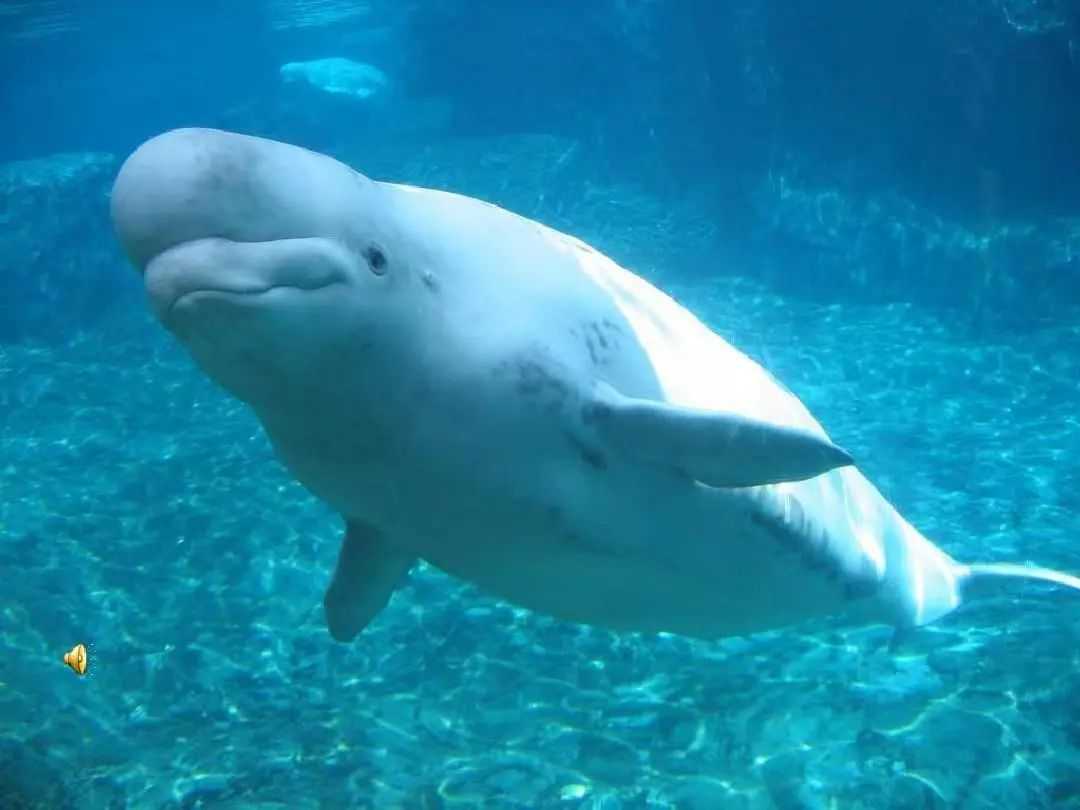
The "Smiling Angels" of the Arctic: Graceful White Belugas
In the icy waters of the Arctic Ocean, white belugas, a species of toothed whales, captivate all who encounter them. Growing 4 to 5 meters long and weighing between 1 to 1.5 tons as adults, these marine mammals thrive on a diet of fish and cephalopods. Their unique appearance and endearing behaviors have earned them a special place in the hearts of ocean enthusiasts.

The Vaquita: Mexico’s Critically Endangered "Sea Panda"
Native to Mexico’s Gulf of California, the vaquita is a tiny porpoise with a big heart—and an even bigger fight for survival. Measuring about 1.5 meters in length and weighing around 50 kilograms, this shy marine mammal subsists on small fish and squid. Tragically, it holds the distinction of being the world’s most endangered cetacean, with fewer than 20 individuals remaining in the wild.
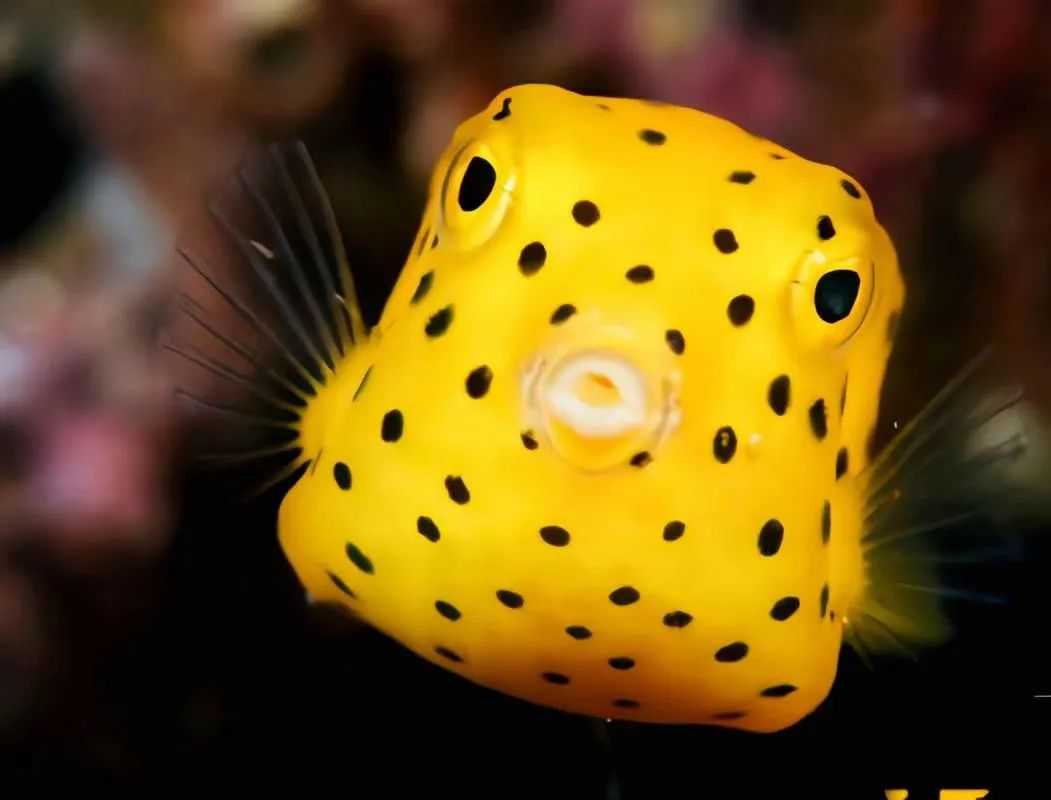
The Quirky Boxfish: A Living Underwater Cartoon in Tropical Reefs
In the vibrant coral reefs of the Indian and Pacific Oceans, the Ostracion cubicus, or "papaya fish," adds a splash of whimsy to the marine world. Growing between 10 to 25 centimeters in length, this tropical inhabitant dwells among coral formations, munching on algae and small invertebrates. Its unique appearance makes it stand out like a character from an animated film.
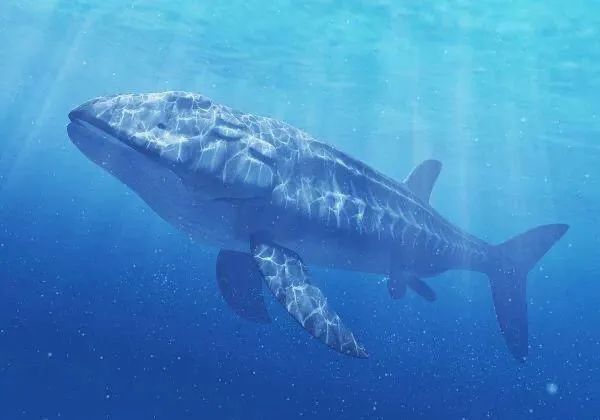
Leedsichthys: The Gentle Giant of the Prehistoric Seas
Swimming through the oceans over 160 million years ago during the Jurassic period, Leedsichthys was a colossal bony fish that dominated its aquatic realm. Stretching over 17 meters in length, this prehistoric behemoth dwarfed most marine creatures of its time, yet its survival relied not on aggression but on unique adaptations that made it a passive giant of the deep.
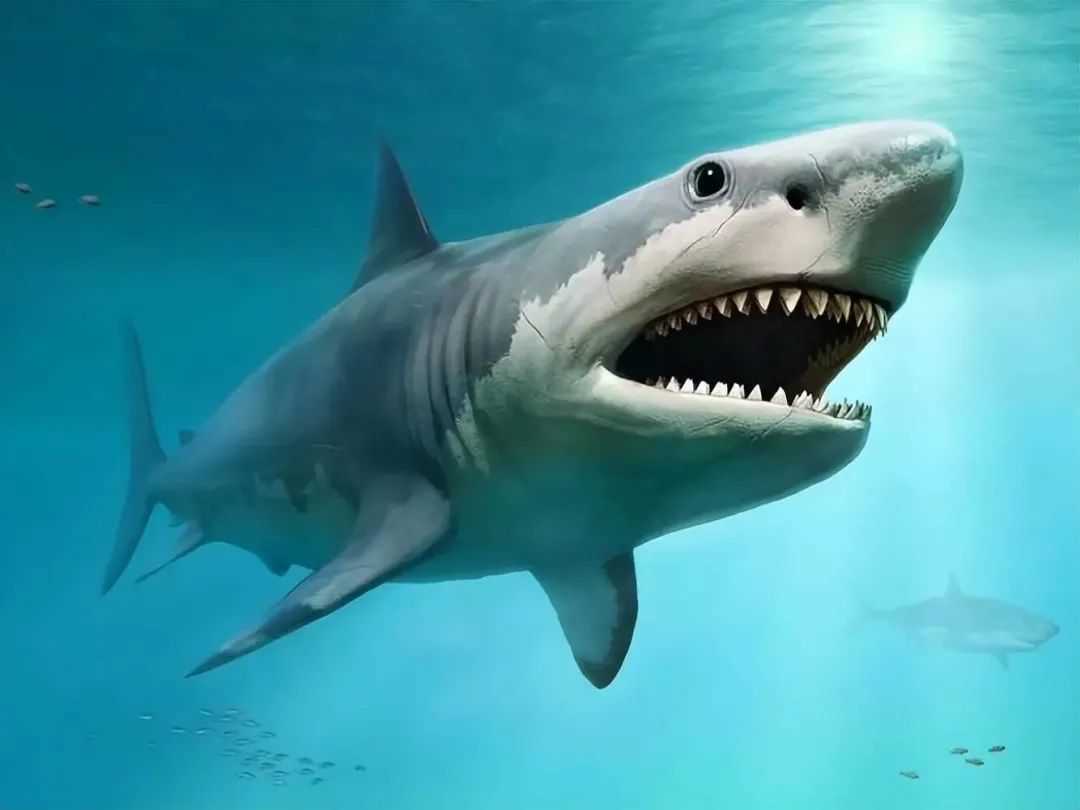
Megalodon: The Unmatched Apex Predator of Prehistoric Seas
Stretching over 18 meters in length, Megalodon (Carcharocles megalodon) ruled the oceans alongside Livyatan melvillei approximately 23 to 3.6 million years ago. Renowned as the creature with the most powerful bite force ever recorded—exceeding 30 tons—this colossal shark dwarfed even its massive whale counterpart in size and weight, solidifying its status as the ultimate marine predator of its era.
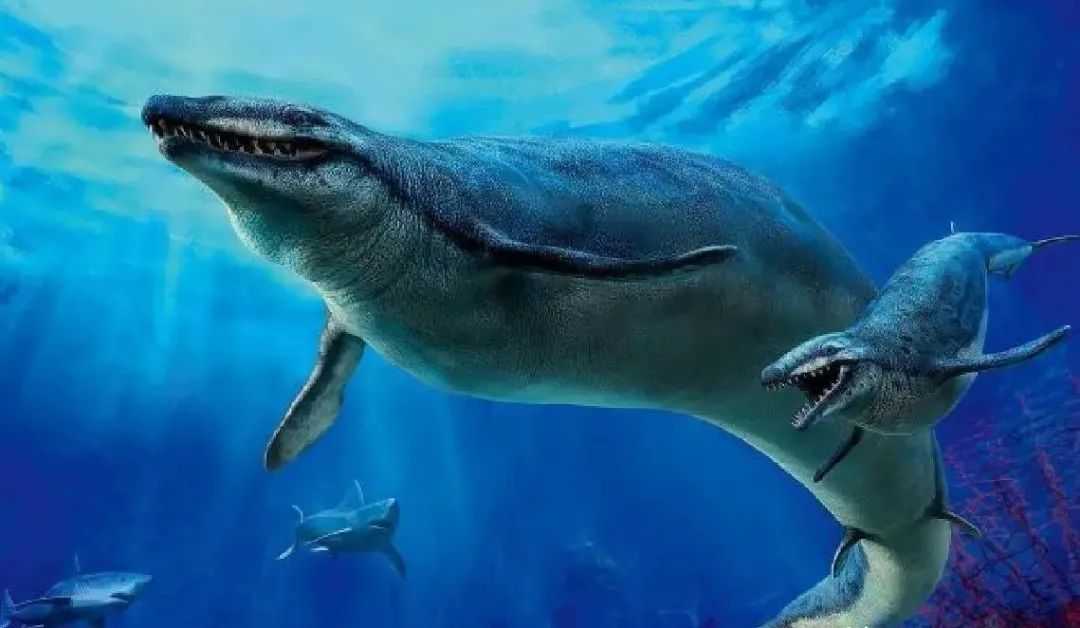
Basilosaurus: The Prehistoric Whale That Dominated Ancient Seas
Stretching over 20 meters in length, Basilosaurus stands as a legendary ancestor of modern whales and the undisputed ruler of oceans 30 million years ago during the Eocene epoch. Often referred to as the "king of whales," this colossal marine reptile-turned-mammal combined an imposing physique with unique hunting strategies, making it a formidable force in its prehistoric ecosystem.
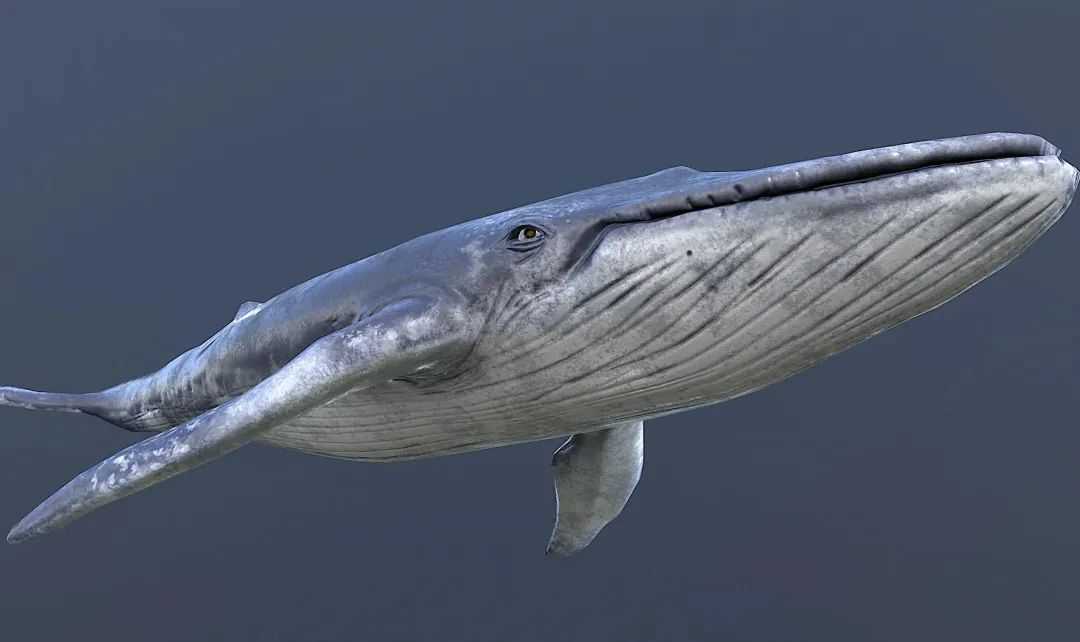
Blue Whales: The Gentle Titans of the Ocean
Regarded by many as Earth’s largest ever living creatures, blue whales (Balaenoptera musculus) awe with their sheer size. Adult individuals typically measure around 27 meters in length, with the largest recorded specimen exceeding 34 meters—roughly the length of five buses lined up side by side. Their tongues alone can weigh a staggering 2,000 kilograms, while newborn calves enter the world at 7 meters long and grow to 20 meters by age three, a growth spurt unmatched in the animal kingdom.
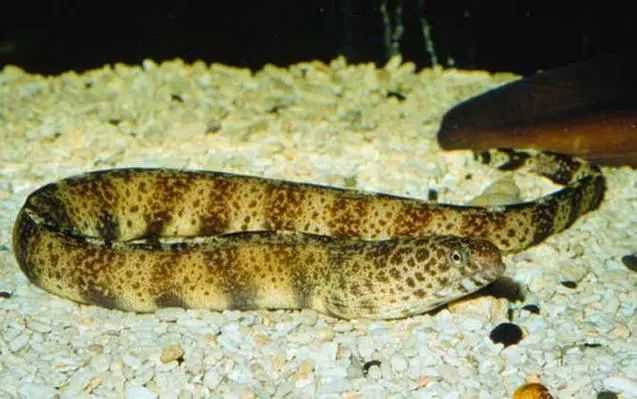
Gymnothorax pseudothyrsoideus: The Elusive Yellow-Lined Moray Eel of Tropical Reefs
Gymnothorax pseudothyrsoideus, commonly known as the yellow-lined moray eel or close-netted moray, is a fascinating species within the Muraenidae family, inhabiting the coral reefs and rocky crevices of the Indo-Pacific region. Belonging to the genus Gymnothorax (nude-breasted morays), this eel is characterized by its elongated, serpentine body and distinct coloration, making it a striking yet cryptic inhabitant of the underwater world.
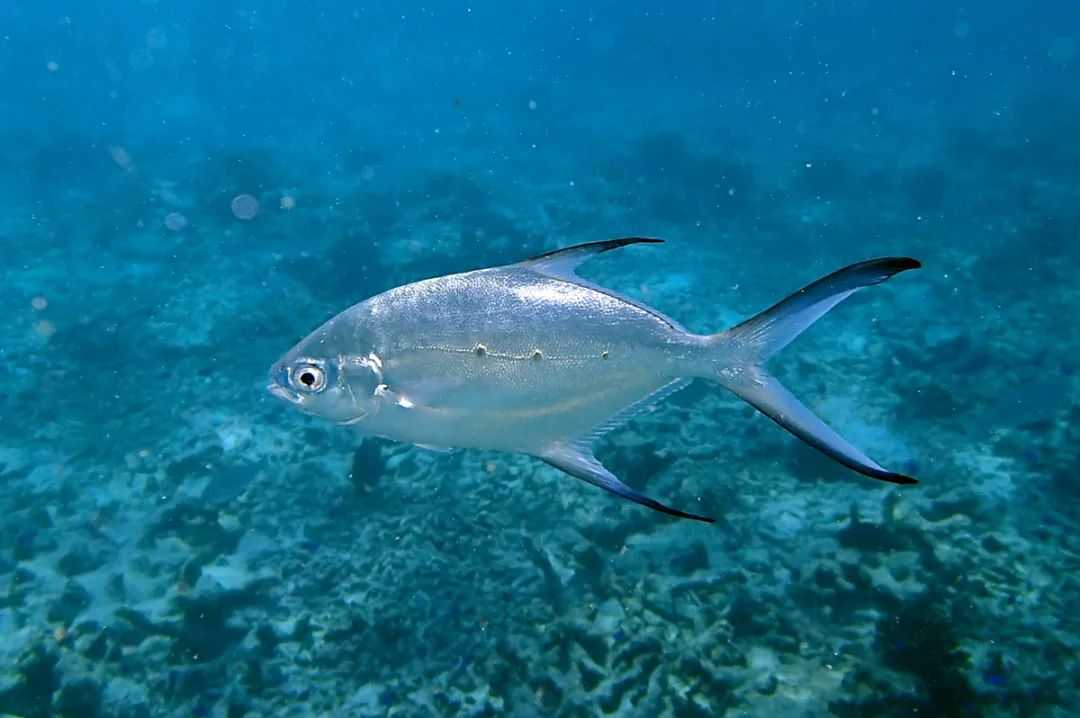
Trachinotus baillonii: The Alluring Small-Spotted Dart of the Indo-Pacific
It inhabits the warm waters of the Indo-Pacific, from the Red Sea to the Line Islands and from southern Japan to Lord Howe Island, adding a touch of elegance to the diverse marine ecosystems it calls home.
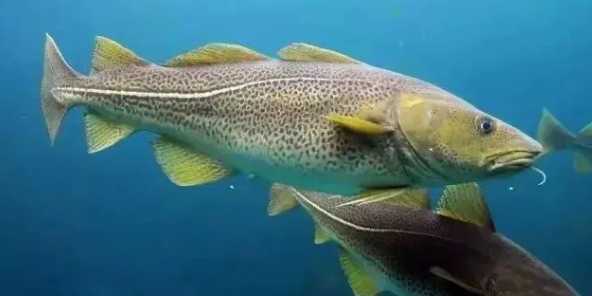
Cod: A Staple of the Seas with a Storied Past
Cod, scientifically known as Gadus morhua and also commonly referred to as Alaska pollock or walleye pollock, is a species that has long held significance in the world's oceans. Revered for its economic value and ecological role, this fish has been a mainstay in the diets and economies of many coastal communities.
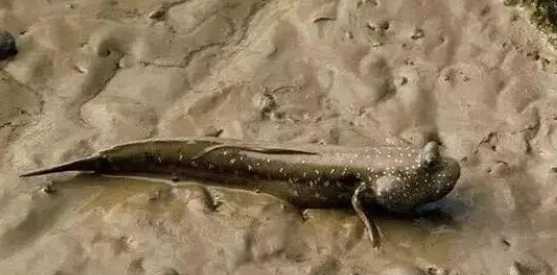
Periophthalmus spp.: The Amphibious "Mud Skippers" of Coastal Ecosystems
Inhabiting the intertidal mudflats and mangrove forests of the Indo-Pacific region, these small fish have evolved remarkable adaptations that blur the line between aquatic and terrestrial life, making them a fascinating subject of ecological study.
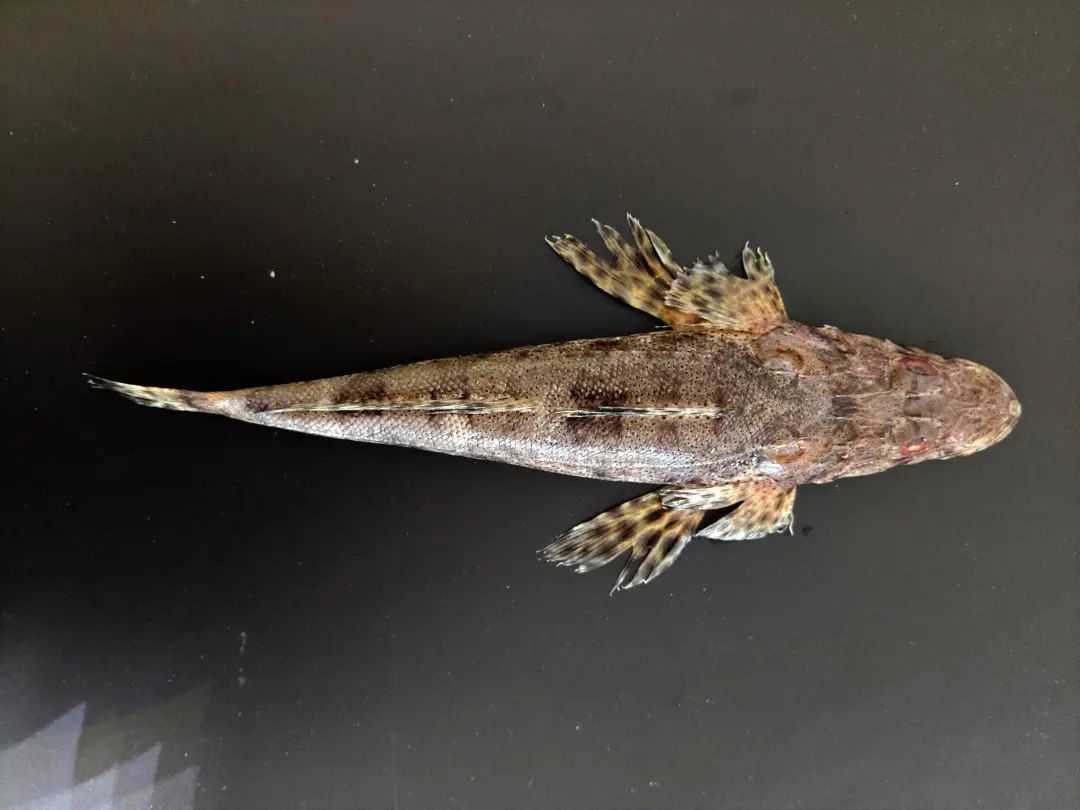
Platycephalus indicus: The Formidable Flathead of Coastal Waters
Platycephalus indicus, commonly known as the Indian flathead or by various regional names such as "ox-tail fish" and "braid fish" in northern regions, is a remarkable fish species inhabiting the coastal waters of the Indo-Pacific. Renowned for its unique appearance and a formidable defense mechanism, this fish has earned its place as both a fascinating marine subject and a prized catch for fishermen.
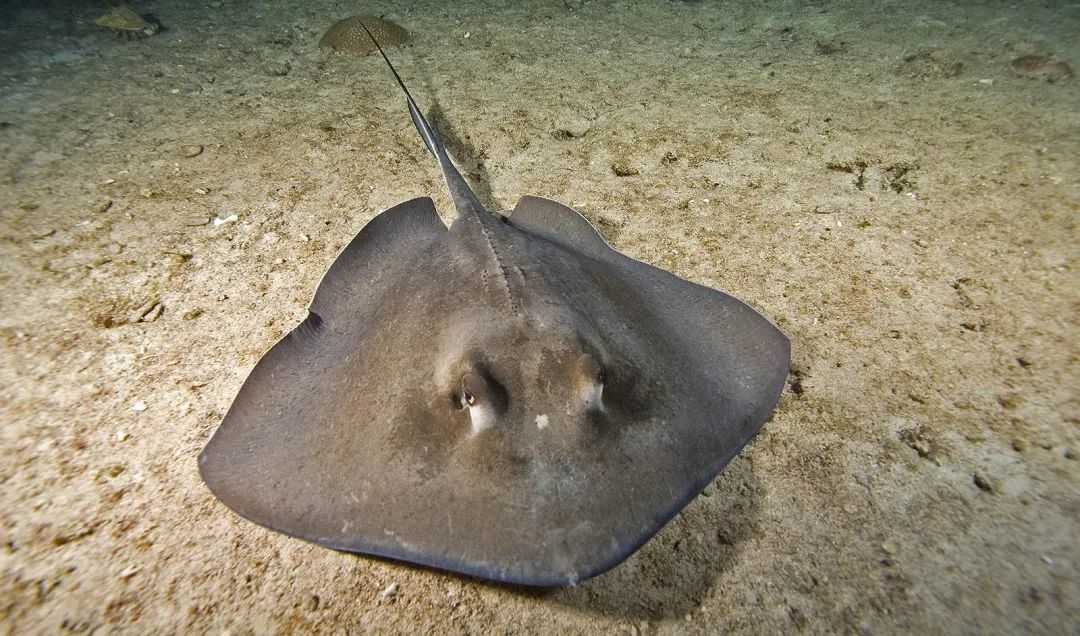
Dasyatis akajei: The Coastal Giant of the Stingray Family
Dasyatis akajei, commonly known as the red stingray or Japanese common stingray, is a prominent species within the Dasyatidae family, widely distributed along the coastal waters of the northwestern Pacific Ocean. As a member of the cartilaginous fish group, this ray is characterized by its flattened disc-shaped body, long tail, and distinctive coloration, making it a familiar sight in shallow marine and estuarine environments from China to Japan and Korea.
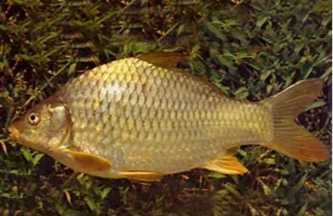
Cyprinus acutidorsaulis: The Endemic "Sea Carp" of South China's Estuaries
Cyprinus acutidorsaulis, commonly known as the sea carp, is a unique and rarely seen species within the Cyprinidae family, endemic to the brackish waters of China’s South Sea. Unlike most carp species, it has adapted to thrive in the transitional zones between freshwater rivers and marine environments, making it a fascinating example of euryhaline adaptation. This fish is exclusively found in the river systems of Hainan Island and the lower reaches of the Qinjiang River in Guangxi, highlighting its restricted but vital ecological niche.
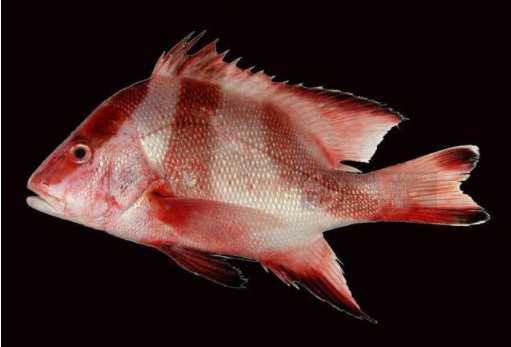
Lutjanus sebae: The Striped Beauty of Indo-Pacific Reefs
Lutjanus sebae, commonly known as the three-banded snapper, is a striking species within the Lutjanidae family, celebrated for its distinct appearance and adaptability to diverse marine environments. Characterized by a deep, oval-shaped body with a slightly compressed profile, this fish is named for the three broad, dark reddish-brown bands that diagonally cross its sides—markings that are most vivid in juveniles and fade slightly as the fish matures.
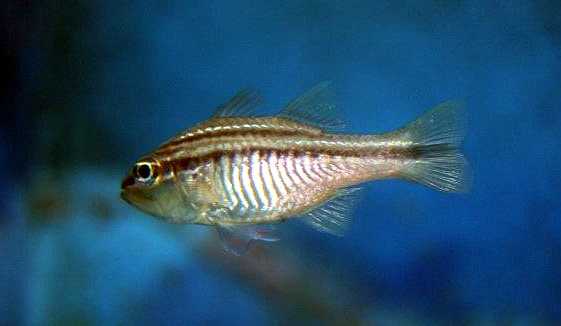
Apogon quadrilineatus: The Four-Lined Cardinalfish of Coral Reefs
Apogon quadrilineatus, commonly known as the four-lined cardinalfish, is a small, vibrant species belonging to the Apogonidae family, thriving in the warm, tropical waters of the Indo-Pacific region. Renowned for its striking pattern and nocturnal habits, this fish is characterized by a sleek, elongated body with a deep red to orange hue, adorned with four distinct horizontal black lines that run the length of its flanks, creating a bold contrast against its vivid coloration.
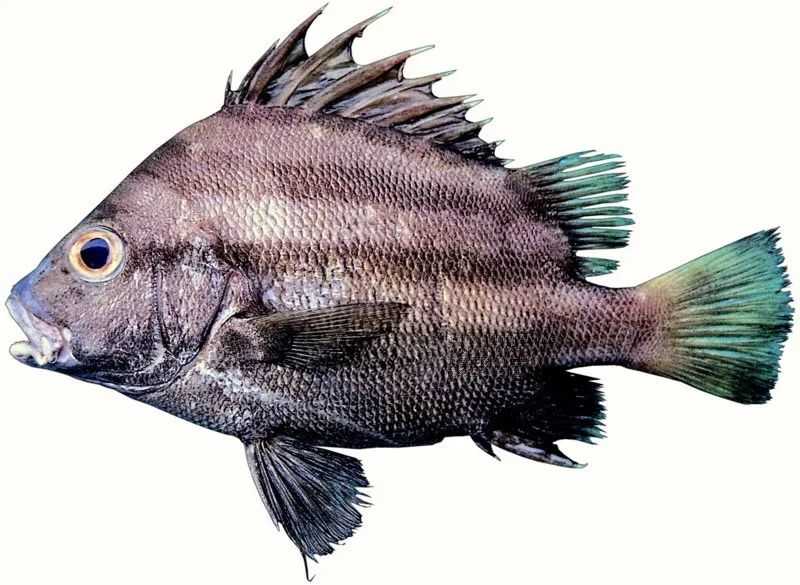
Hapalogenys mucronatus: The Oblique-Banded Beard Croaker of Asian Coastal Waters
Hapalogenys mucronatus, commonly known as the oblique-banded beard croaker, is a distinctive marine fish belonging to the Haemulidae family. Inhabiting the temperate and subtropical waters of the northwestern Pacific Ocean, this species is celebrated for its unique appearance and cultural significance in regional fisheries. Characterized by its robust body and striking diagonal stripes, it stands out as a notable inhabitant of coastal ecosystems.
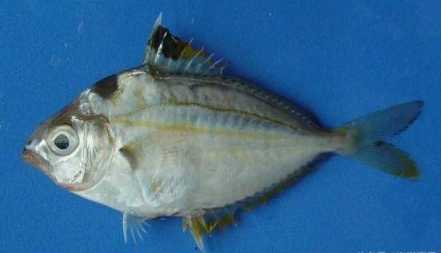
Equulites rivulatus: The Collared Ponyfish of Tropical Shores
Equulites rivulatus, commonly known as the collared ponyfish or neck-banded ponyfish, is a small, agile species within the Leiognathidae family, inhabiting the warm coastal waters of the Indo-Pacific region. Recognized by its distinctive neck band and streamlined form, this fish is a notable member of shallow marine and estuarine ecosystems, celebrated for its unique appearance and ecological role.