Planetary

Nebulae: The Glowing Clouds of Star Formation and Stellar Remnants
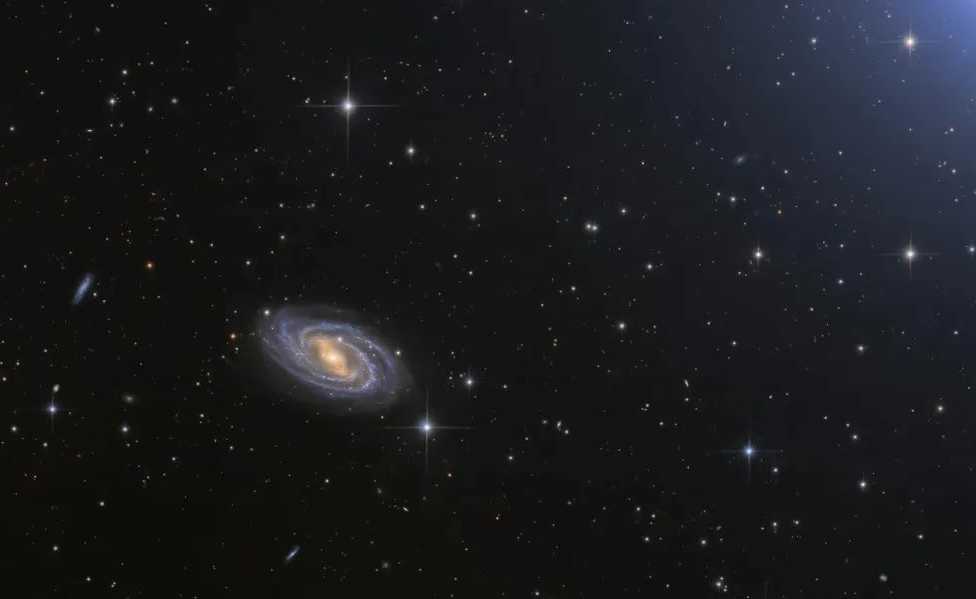
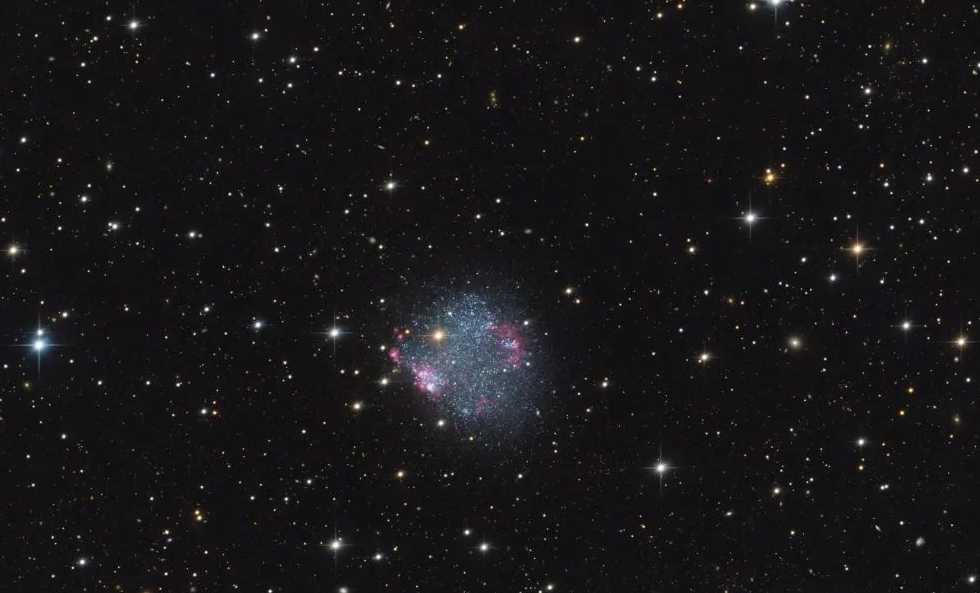
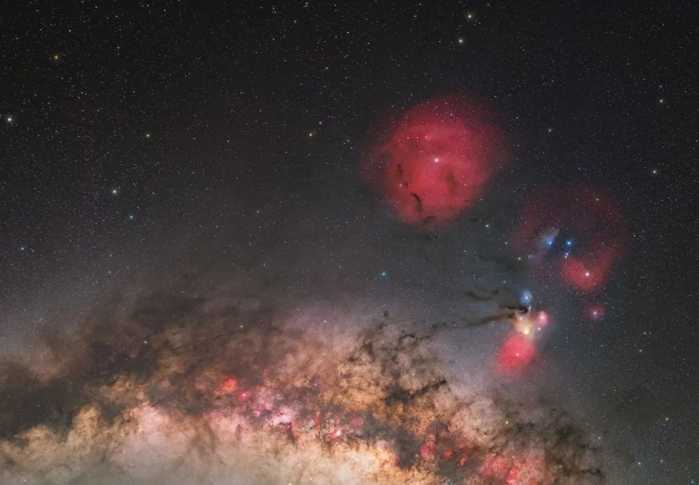
Through telescopes or astrophotography, celestial observers often encounter luminous, cloud-like structures known as nebulae. These cosmic formations, composed of gas and dust, have fascinated scientists for centuries. Initially classified into two broad categories—galactic nebulae (within the Milky Way) and extragalactic nebulae (beyond our galaxy)—they serve as crucial sites of stellar birth, evolution, and death.
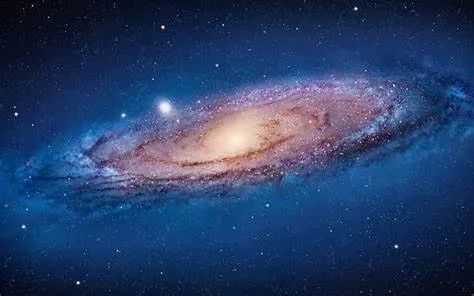
Andromeda Galaxy: The Cosmic Neighbor Illuminating the Night Sky
The Andromeda Galaxy, also known as Messier 31 (M31), stands as the closest major spiral galaxy to our Milky Way, captivating astronomers and stargazers alike with its grandeur and cosmic significance. Visible to the naked eye on clear nights as a faint, fuzzy patch, it offers a glimpse into the vastness of the universe and the complex dynamics of galactic evolution.
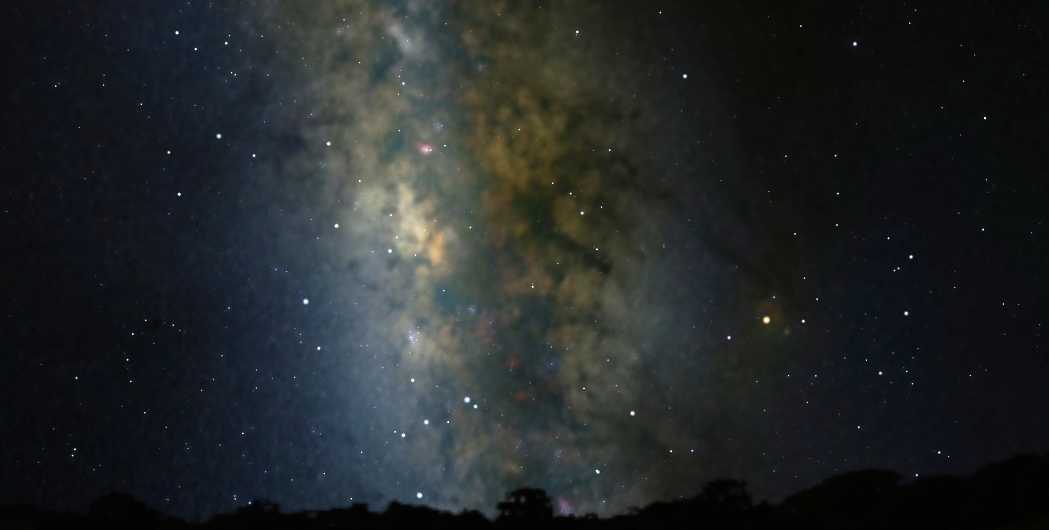
The Milky Way: A Celestial Tapestry Spanning the Night Sky
The Milky Way, a luminous band of stars stretching across the celestial sphere, has captivated human imagination for millennia. Known as the "Road of Milk" in ancient Greek mythology and by names like "Heavenly River" or "Silver Stream" in ancient Chinese astronomy, this iconic feature is more than a mere spectacle—it is the vast stellar system that contains our Solar System.
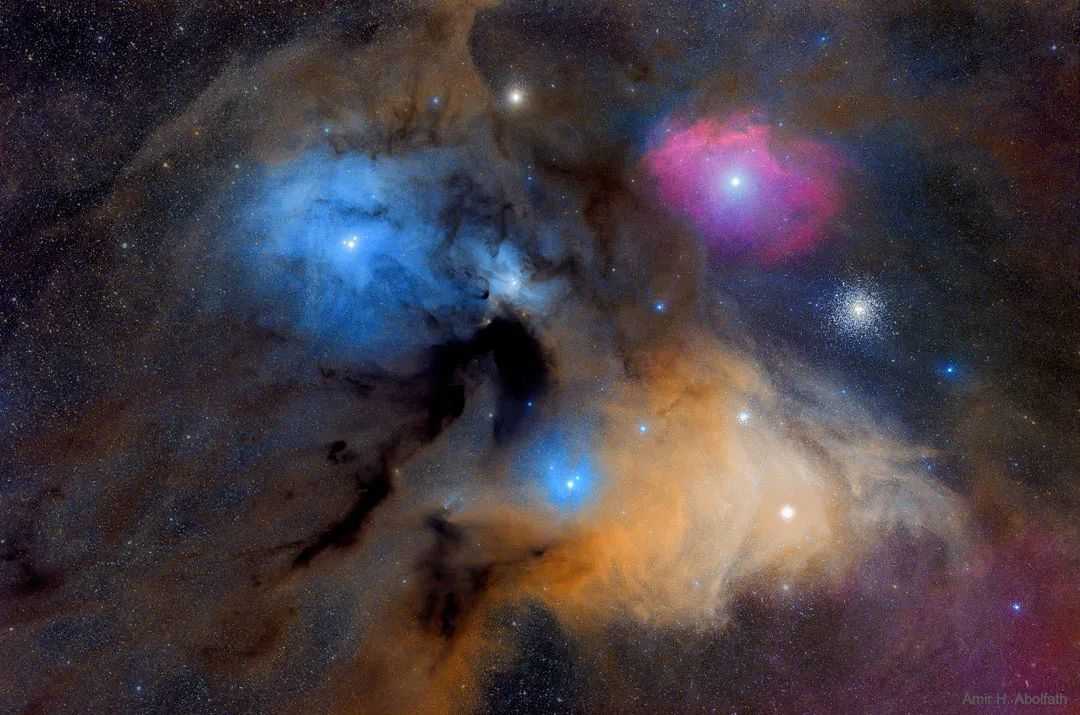
Globular Cluster M4: A Stellar Jewel Beside Antares in Scorpius
Globular cluster M4 (Messier 4) may not dazzle with extreme brightness, but its accessibility and striking proximity to one of the sky’s most iconic stars make it a favorite target for astronomers and astrophotographers alike. Nestled in the constellation Scorpius, this ancient stellar grouping offers a window into the galaxy’s past and a stunning visual companion to its fiery neighbor.
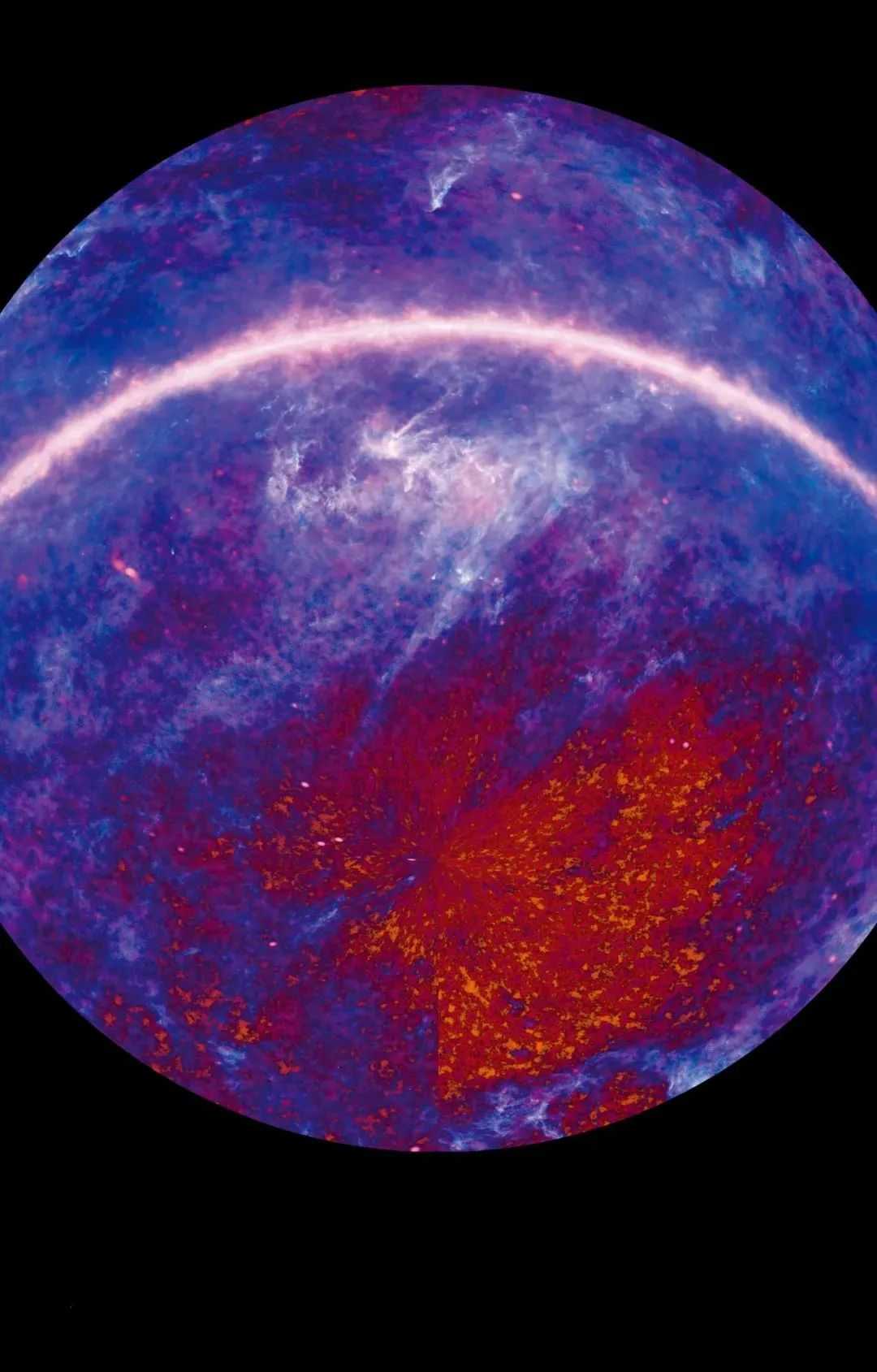
Planck Satellite’s Microwave View Reveals Milky Way’s Disk and Cosmic Background
A striking microwave image of the Milky Way captured by the European Space Agency’s Planck satellite offers a unique perspective on our galaxy and the early universe. The image highlights the galaxy’s prominent disk as a bright, glowing stripe, while faint red regions in the background represent the cosmic microwave background (CMB)—the oldest light in the universe.
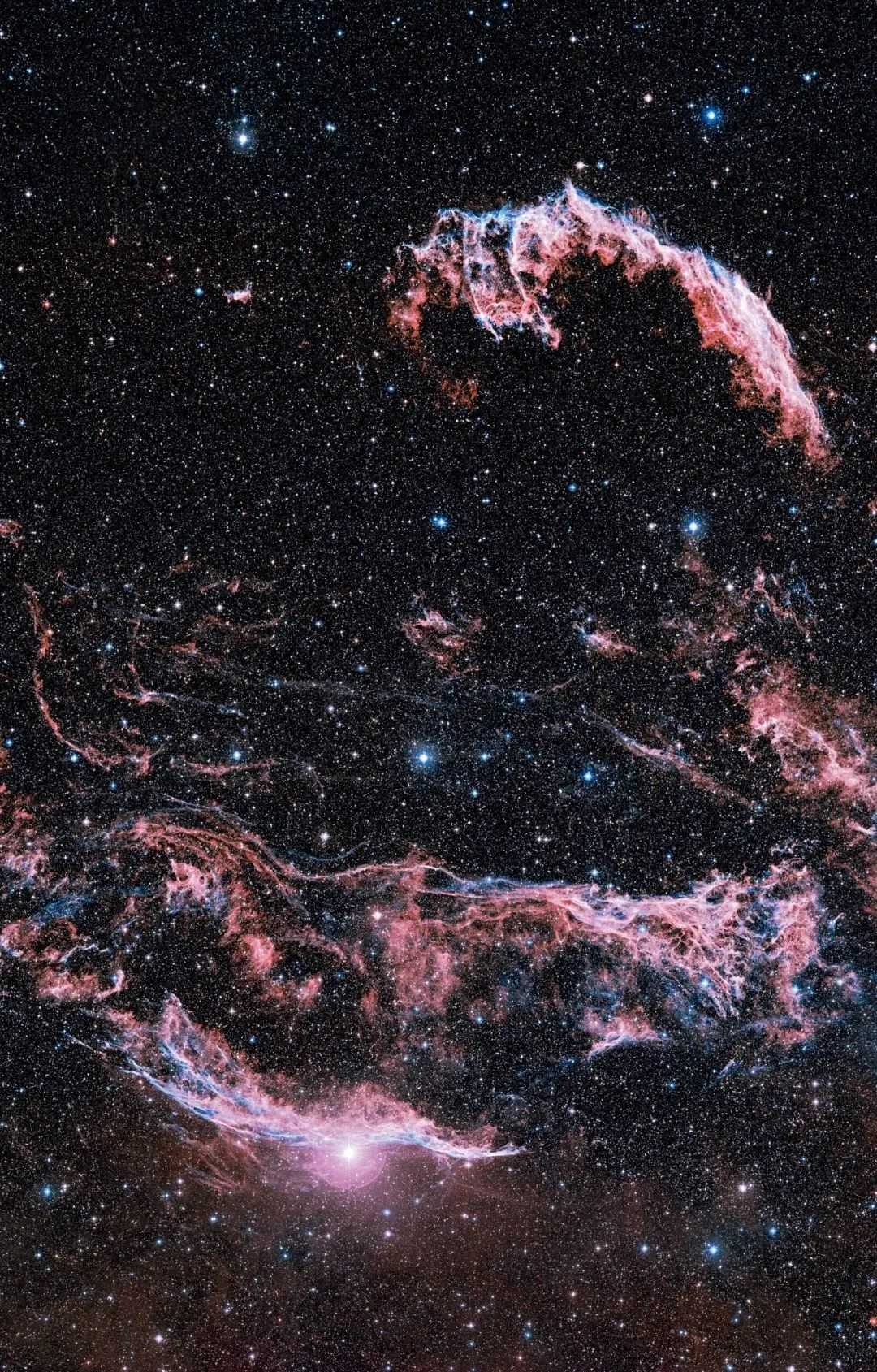
The Veil Nebula in Cygnus: A Stellar Remnant of Cosmic Explosions
The Veil Nebula, a captivating celestial spectacle in the constellation Cygnus, stands as a testament to the violent death of a massive star. This expansive supernova remnant, formed when a star exhausted its nuclear fuel and exploded in a catastrophic event, showcases the raw power of stellar evolution and the beauty of cosmic recycling.
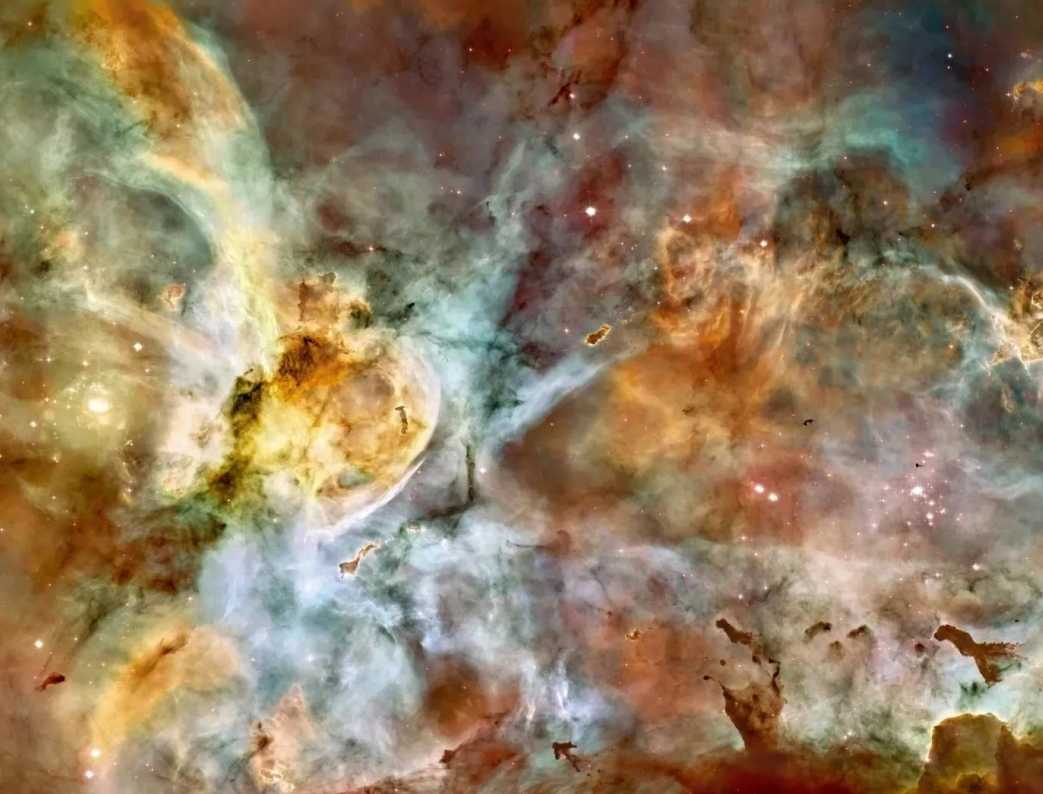
The Carina Nebula: A Massive Stellar Nursery in the Southern Sky
Located between 6,500 and 10,000 light-years from the Solar System, the Carina Nebula is a breathtaking region of cosmic activity visible exclusively from the Southern Hemisphere. Renowned as one of the Milky Way’s most dynamic star-forming regions, it serves as a cradle for some of the galaxy’s most massive and luminous stars, offering the public an opportunity to explore the extreme processes that shape stellar evolution.
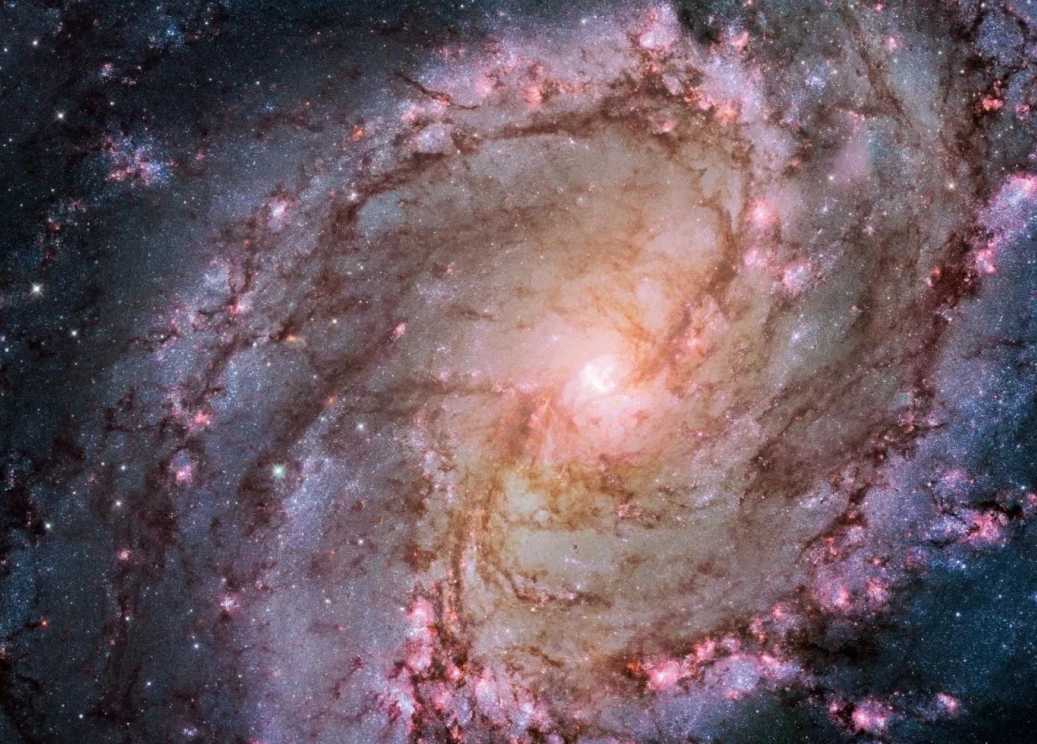
M83, the Southern Pinwheel Galaxy: A Stellar Beauty in Hydra's Vicinity
Nestled near the constellation Hydra, the barred spiral galaxy M83 shines as a captivating cosmic spectacle, earning its nickname the "Southern Pinwheel" from its striking spiral arms. Located approximately 15 million light-years from Earth, this galaxy showcases the dynamic interplay of star formation, gravity, and interstellar matter, offering astronomers and stargazers a vivid window into the universe’s grand design.

The Sun: The Life - Giving Star at the Heart of Our Solar System
The Sun, a colossal ball of glowing plasma, reigns supreme at the center of our solar system. This G - type main - sequence star, often informally called a yellow dwarf, is the most dominant object in our cosmic neighborhood. Its influence extends far and wide, making life on Earth possible and governing the motions of planets, asteroids, and comets.
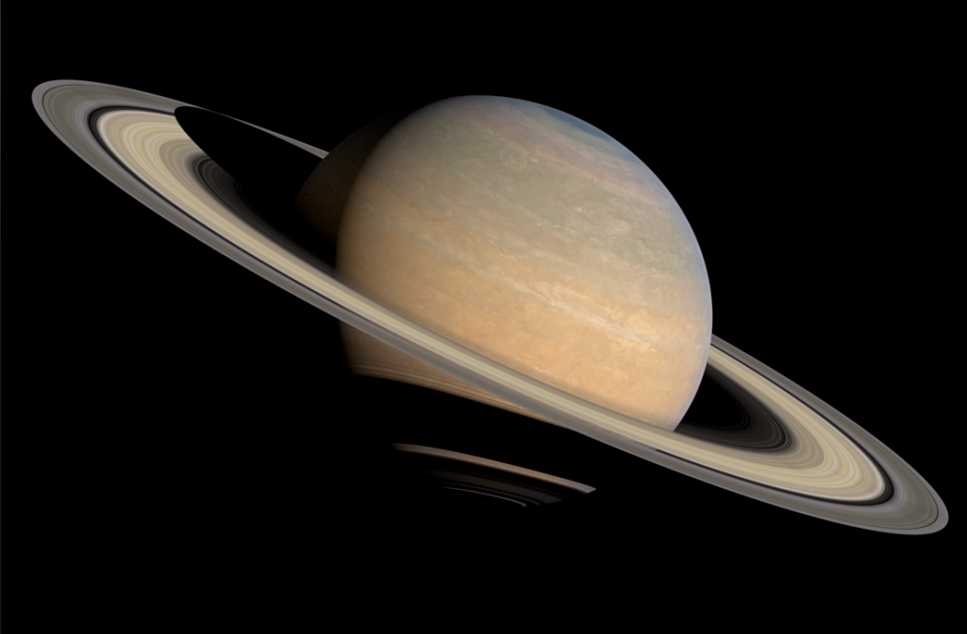
Saturn's Magnificent Ring System: A Cosmic Wonder
Saturn, the sixth planet from the Sun, is renowned for its awe - inspiring ring system that has captivated astronomers and stargazers for centuries. These rings, a complex and beautiful feature unique in our solar system, are a testament to the dynamic processes that shape planets and their surroundings.
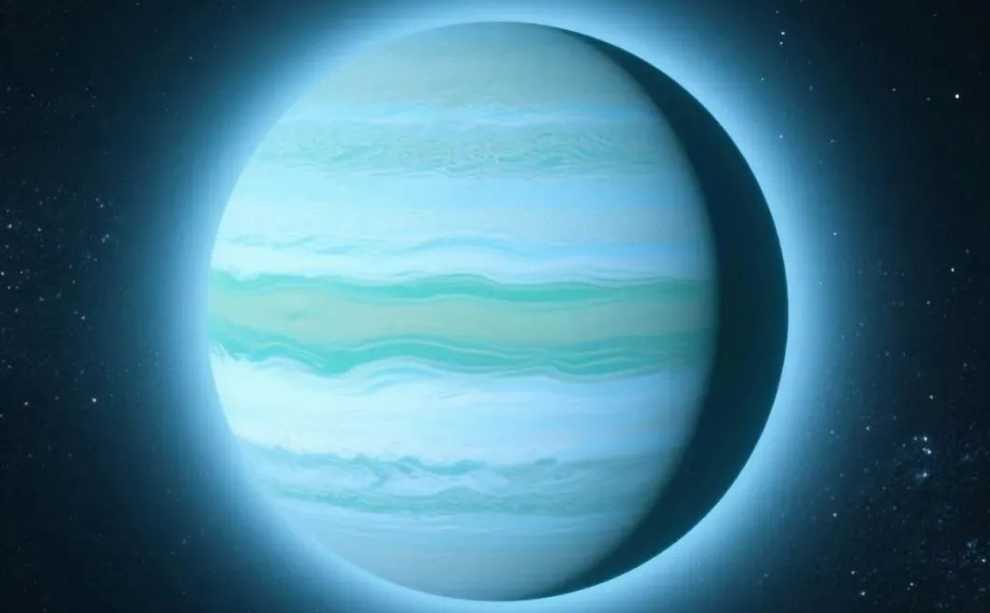
Uranus: The Solar System's 'Laid - Back' Planet
Uranus, the seventh planet from the Sun, has earned the moniker "the solar system's 'laid - back' planet" due to its extraordinary orientation. Among the planets in our solar system, it stands out with a unique characteristic: its axis of rotation is tilted at an angle of approximately 98 degrees, almost parallel to its orbital plane. This means that, rather than spinning upright like most planets, Uranus appears to be "rolling" or "lying down" as it orbits the Sun.
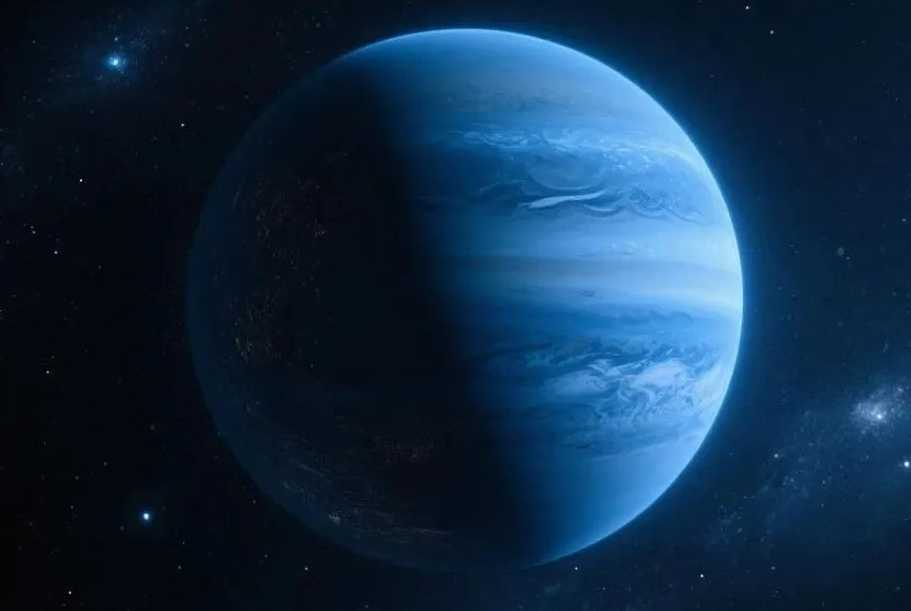
Neptune: The Solar System's Temperamental Titan
Neptune, the eighth and outermost planet in our solar system, lives up to its title as the "temperamental titan." Hidden from the naked eye, this ice giant conceals a world of extreme weather and frigid temperatures, making it a fascinating subject of study for astronomers.
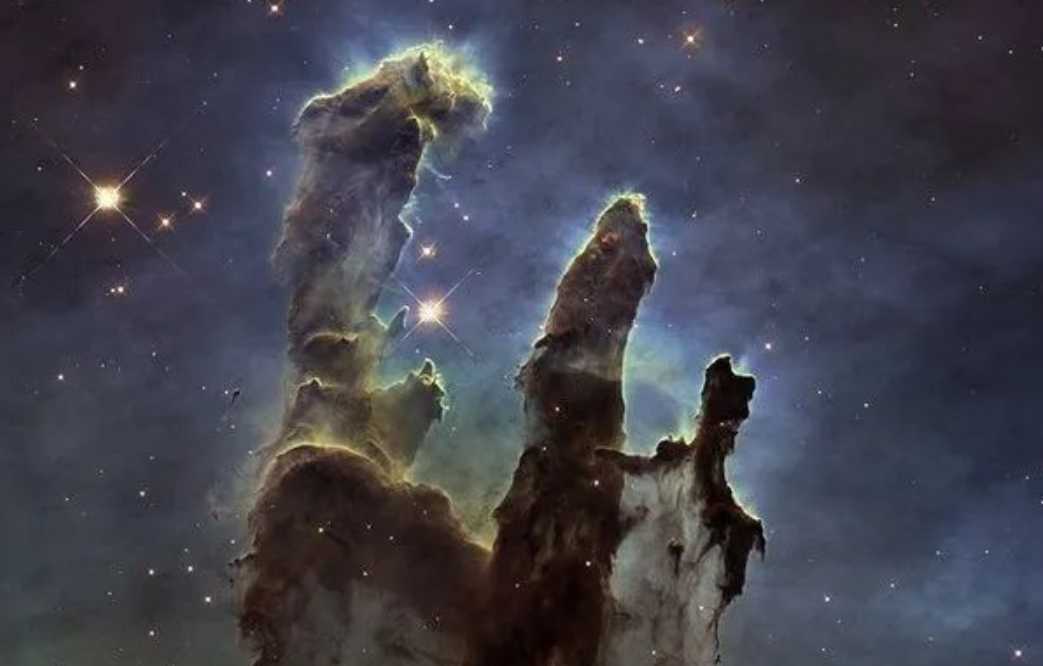
Hubble's Iconic 'Pillars of Creation'
The "Pillars of Creation," an iconic image captured by the Hubble Space Telescope in 1995, is one of its masterpieces. This photograph, taken in the Eagle Nebula (M16), showcases three massive gas pillars that reach up to 4 - 5 light - years in height, serving as a cradle for star birth.
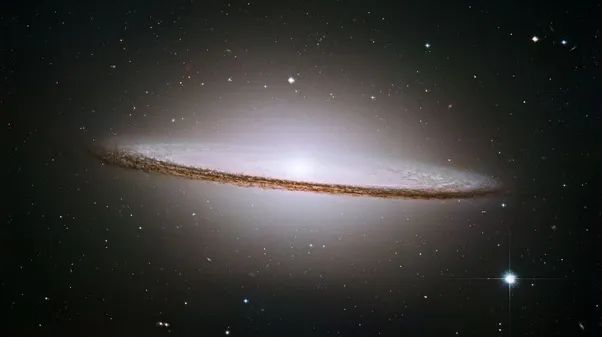
The Sombrero Galaxy (M104): A Cosmic Hat of Stellar Wonders
Named for its striking resemblance to a Mexican sombrero, the Sombrero Galaxy (M104) is an iconic spiral galaxy that captivates astronomers and stargazers alike. Spanning approximately 50,000 light-years in diameter and located about 30 million light-years from Earth, this celestial object stands out for its unique structure and immense scale.
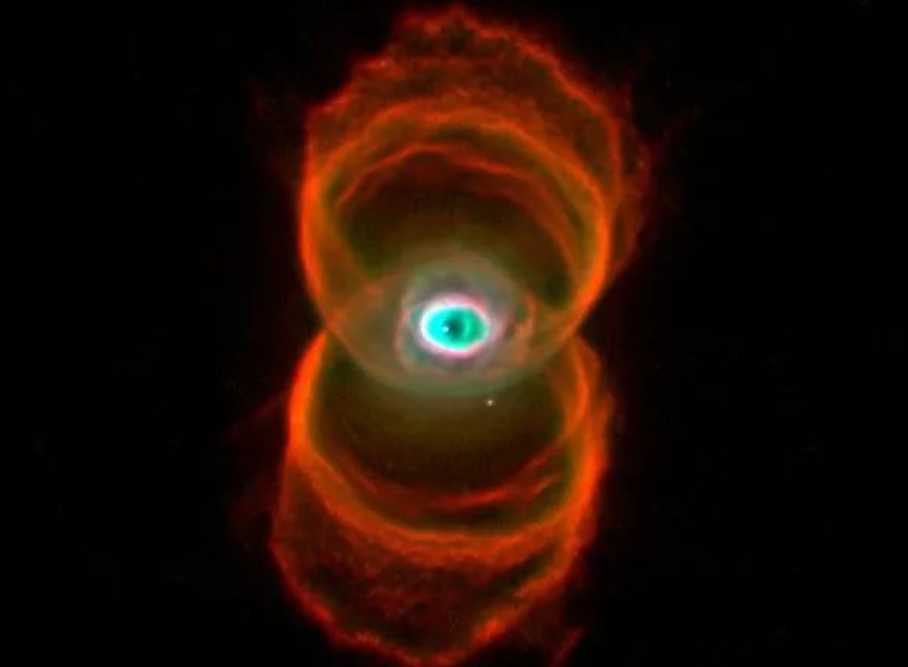
The Hourglass Nebula: A Cosmic Ode to Stellar Demise
The Hourglass Nebula stands as a mesmerizing testament to the power and beauty of stellar death. Born from the explosive end of a star's life cycle, this celestial wonder owes its iconic shape to the forces unleashed during a star's final moments, captivating astronomers with its symmetrical, hourglass - like structure.