Microscopic World
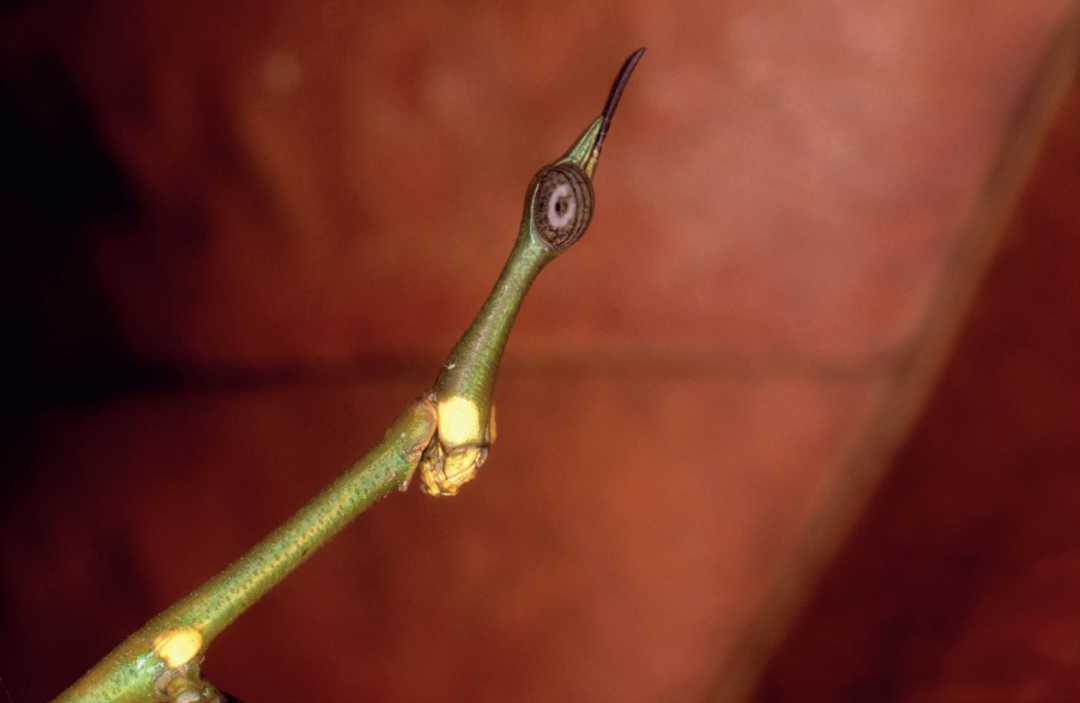
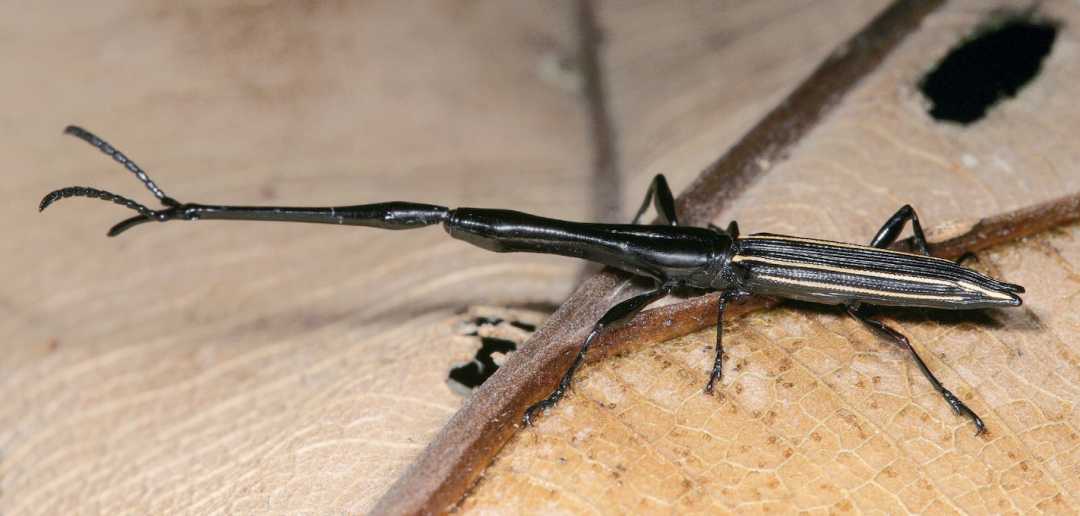
Costa Rica's Slender Weevil: The Three-Cone Beetle with a Remarkable Elongated Snout
In the lush rainforests of Costa Rica, the three-cone weevil (a member of the Brentidae family) stands out with its strikingly slender form, measuring 25 mm in length. Yet its most defining feature is an elongated rostrum— or "snout"—that can grow as long as its body, giving the insect a unique, almost surreal appearance. This remarkable appendage, thin and tapered, sets it apart in the diverse world of beetles.
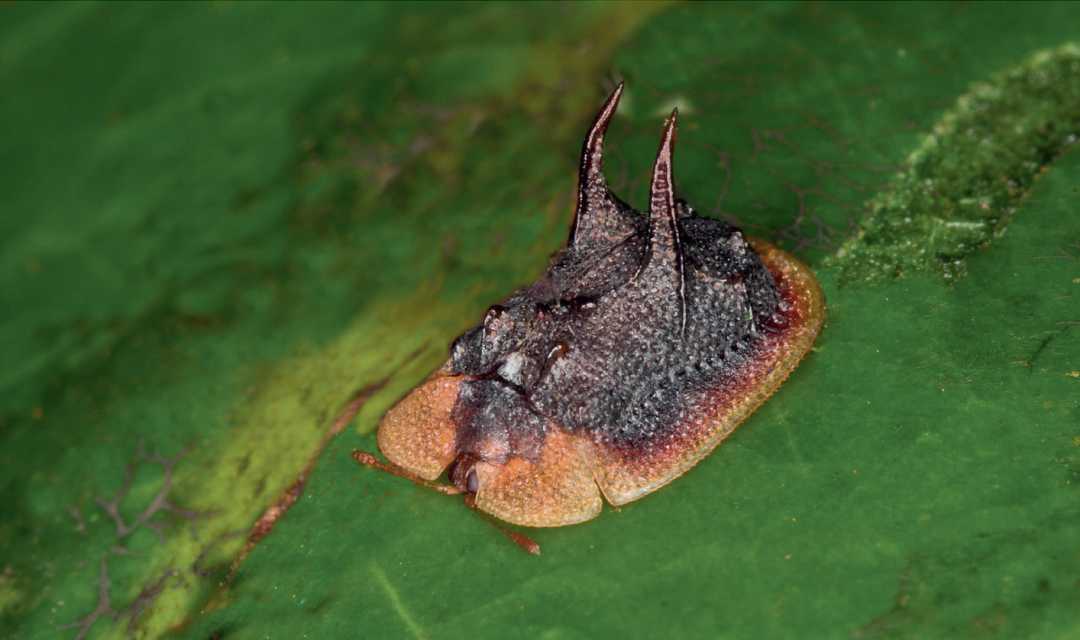
Madagascar's Demon-Horned Tortoise Beetle: A Bizarre Beauty with Fiery Projections
In the realm of beetles, those adorned with devilish horns are a rarity, but a unique tortoise beetle from Madagascar defies expectations with its otherworldly appearance. This extraordinary insect sports two prominent, curved spikes on its elytra, resembling miniature demon horns that rise from its back. The contrast between its armored, domed shell and these fiery projections creates a bizarre yet captivating silhouette, making it a standout in the island’s diverse ecosystems.
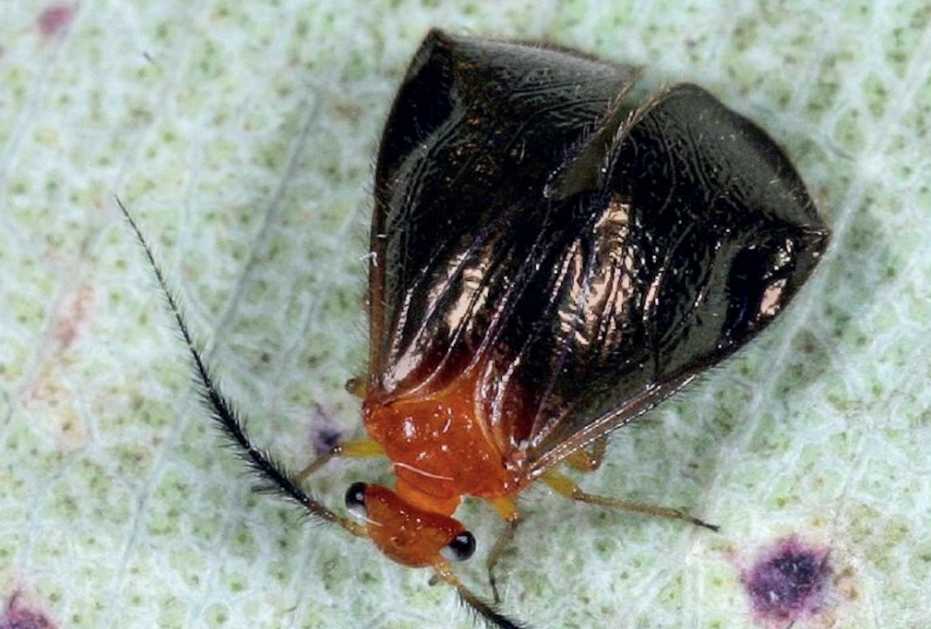
Calopsocus sp.: Australia's Stunning Lichen Fly Redefines Psocid Expectations
Hailing from Australia’s eucalyptus forests, Calopsocus sp. shatters stereotypes about psocids (barklice) with its remarkable morphology. Unlike most psocids, whose wings end in sharp points, this species features wingtips that curve gently downward, creating a sleek, elegant outline. The smooth, downward bend—often paired with vibrant coloration or intricate patterns—sets it apart in the world of tiny, often-overlooked insects.
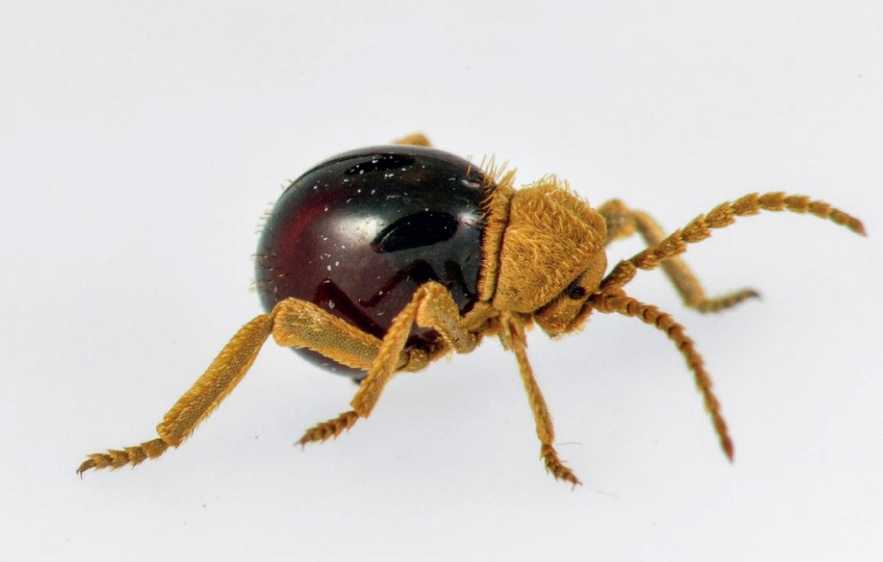
Mezium affine: America's Tiny Spider-Mimicking Beetle
Measuring just 3 mm in length, Mezium affine is a curious beetle from the Americas that lives up to its name through remarkable arachnid mimicry. This minuscule insect has evolved physical traits that closely resemble a spider, blurring the line between beetle and arachnid at first glance. Its body shape, leg structure, and even behavioral cues work in tandem to create a convincing illusion.
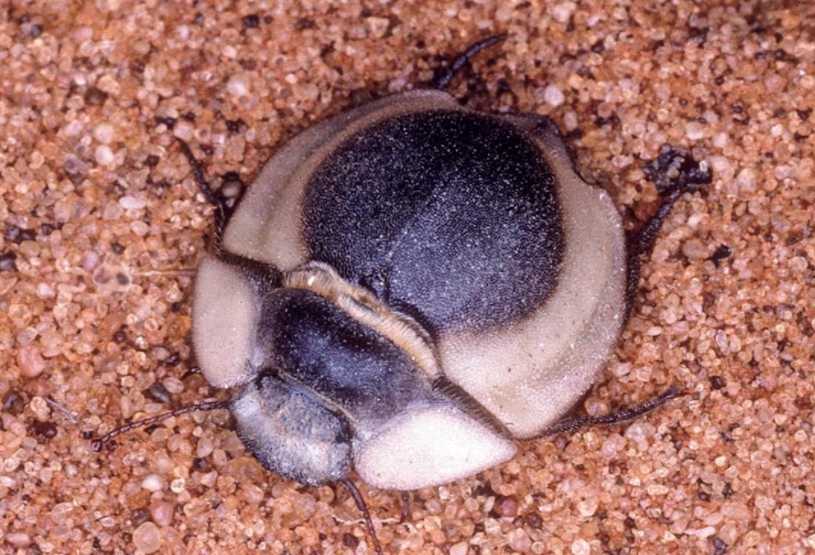
Lepidochora discoidalis: The Desert Beetle That Harvests Fog for Survival
As a master of arid adaptation, Lepidochora discoidalis thrives in desert environments by transforming its body and behavior into a living water collection system. This sleek, disc-shaped beetle, native to arid regions, has evolved a glossy exoskeleton that minimizes sand adhesion, allowing it to glide effortlessly across dunes in search of food scraps. But its most remarkable trait lies in its ability to harvest moisture from the air—a crucial skill in landscapes where rainfall is almost nonexistent.
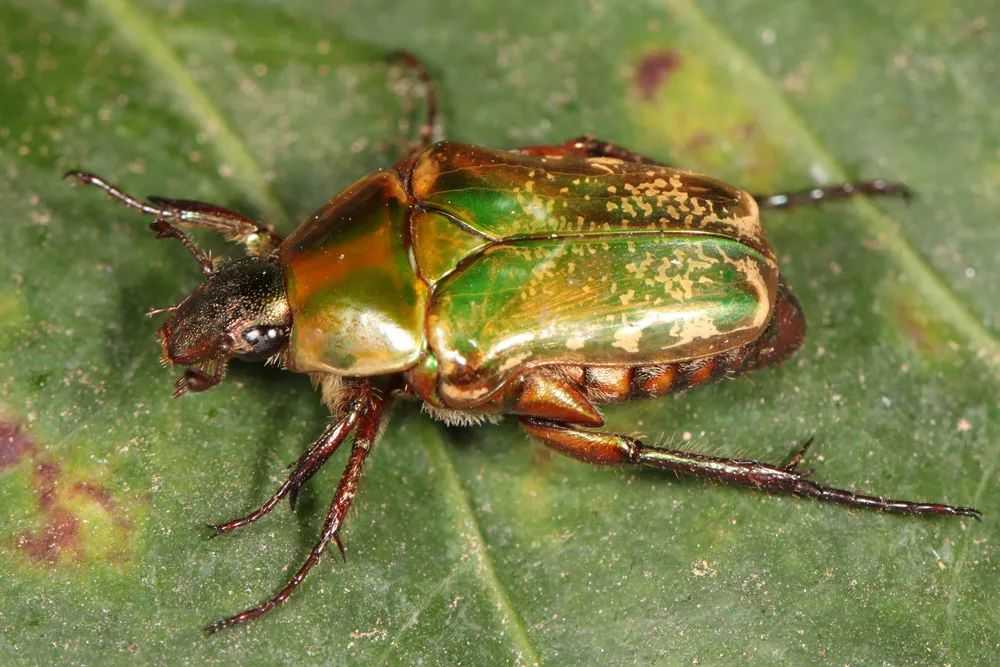
Scarab Beetles (Scarabaeidae): Jewels of the Insect World
Scarab beetles, comprising the family Scarabaeidae, are a diverse group of coleopterans renowned for their often iridescent exoskeletons, distinctive morphology, and ecological significance. With over 30,000 species worldwide, they inhabit almost every terrestrial ecosystem, from deserts to rainforests.
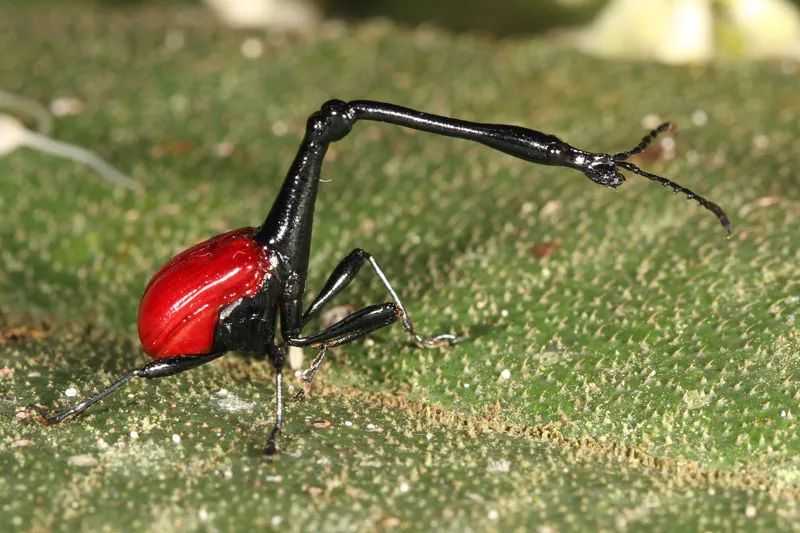
Weevils: Tiny Architects of the Insect World with a Probing Passion
Weevils, members of the Curculionidae family, stand out among beetles for their distinctive snout-like rostrum and compact, often armored bodies. With over 97,000 species worldwide, these insects have evolved to inhabit nearly every ecosystem, from tropical rainforests to urban pantries. Their unassuming appearance belies a remarkable ability to adapt, making them both ecological contributors and occasional nuisances to human activities.
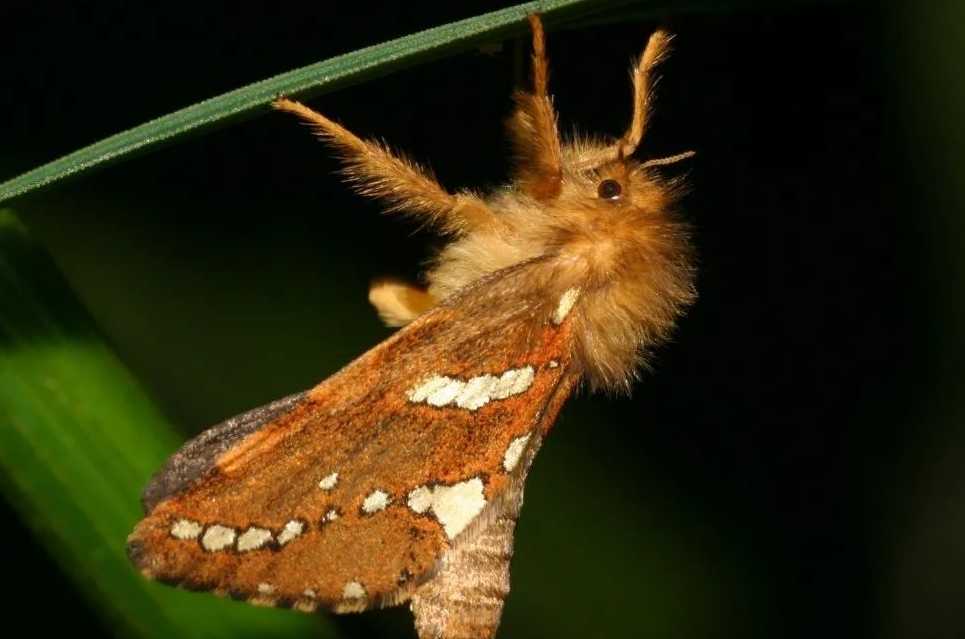
Bat Moths: A Diverse and Prolific Insect Group
Bat moths belong to the genus Hepialus in the family Hepialidae. They are a group of insects with remarkable reproductive capabilities. A female bat moth can lay more than 2,900 eggs, which is quite prolific among insects.
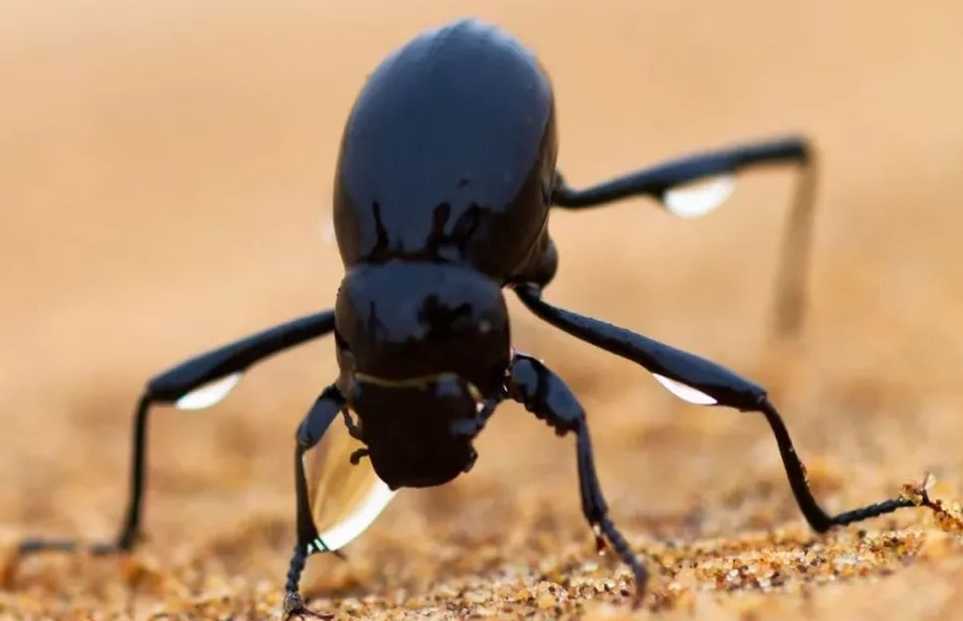
The Namib Desert Beetle (Stenocara gracilipes): Nature's Master of Fog Harvesting
The Namib Desert beetle, Stenocara gracilipes, stands as a testament to evolutionary adaptation in one of Earth’s harshest environments. This coleopteran insect, endemic to the Namib Desert of southwestern Africa, has evolved a remarkable survival strategy: harvesting fog droplets through its uniquely textured elytra, a trait that has inspired groundbreaking biomimetic water-collection technologies.

The Unusual Tree: Trees That Bloom Directly on the Trunk
In nature, there are some unique trees that bloom directly on their trunks, challenging the common perception of plant growth.
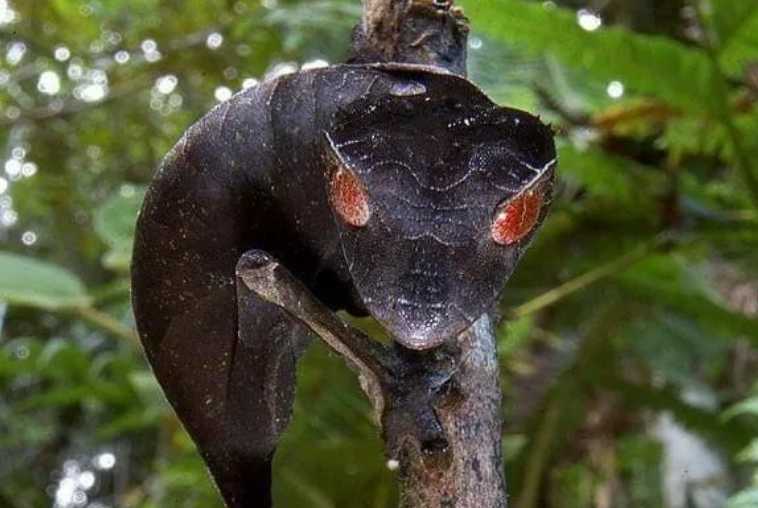
Satanic Leaf-Tailed Gecko: Nature's Master of Dead Leaf Mimicry
In the dense rainforests of Madagascar, a remarkable reptile demonstrates nature’s most astonishing camouflage: the Satanic leaf-tailed gecko (Uroplatus phantasticus). Renowned for its uncanny resemblance to a dried, withered leaf, this gecko has evolved the perfect disguise to vanish into its forest habitat.

Aggressive Tokay Geckos: A Closer Look at Their Biting Abilities
Tokay geckos are known for their aggressive nature and powerful bites. These reptiles, native to Southeast Asia, have sharp teeth that are large enough to pierce human skin. Their bites can cause significant pain and discomfort, and may even lead to infection if not treated properly.
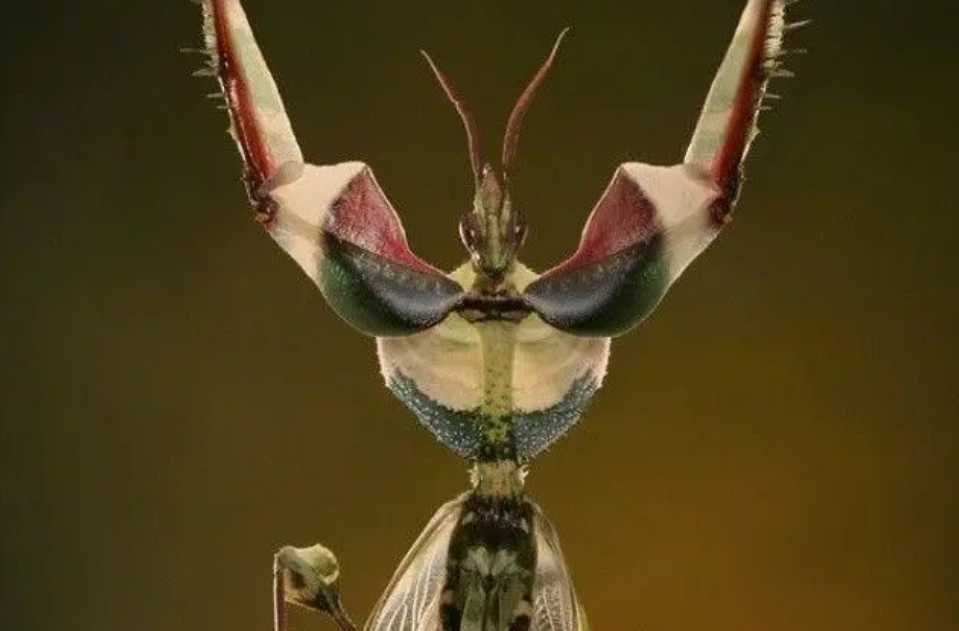
The Magic Flower Mantis: A Master of Floral Camouflage
In the tropical forests of Africa, the magic flower mantis (Idolomantis diabolica) performs nature’s most elegant illusion: mimicking vibrant flowers so perfectly that even keen eyes struggle to distinguish it from real blooms. This remarkable insect, also known as the devil’s flower mantis, showcases evolution’s pinnacle of camouflage, blurring the line between predator and petal.
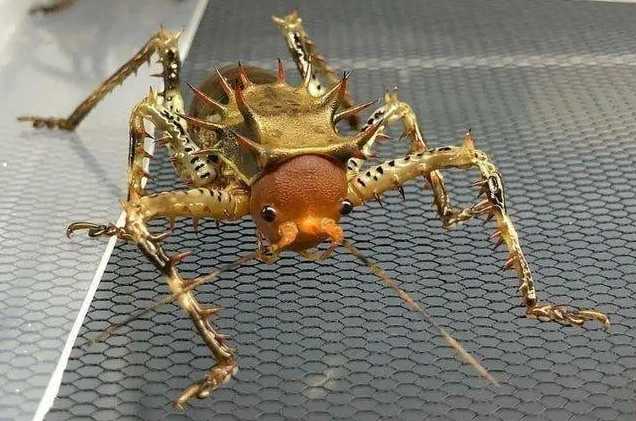
The Cameroon Armored Tree Cricket: Nature’s Golden Warrior Insect
In the dense forests of Cameroon, an insect emerges that resembles a tiny ant clad in golden armor: the Cameroon armored tree cricket (Acanthoplus discoidalis). This remarkable orthopteran, part of the family Tettigoniidae, showcases a striking exoskeleton of iridescent gold and bronze, combined with spiky projections that give it the appearance of a miniature warrior ready for battle.
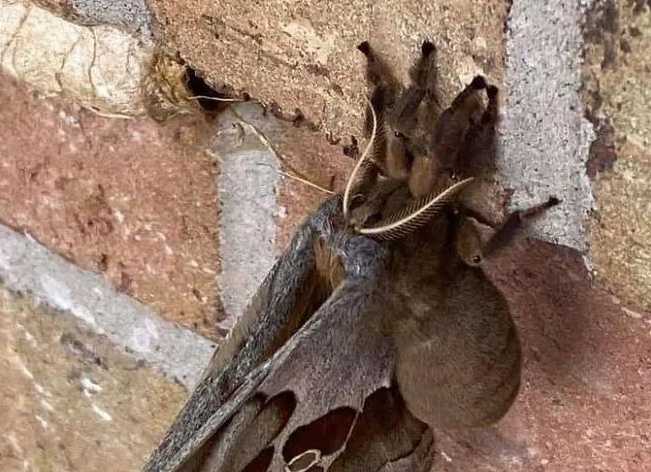
The Polyphemus Moth: A Winged 'Wolf Spider' That Strikes Fear
The Polyphemus moth (Antheraea polyphemus), one of North America’s largest silk moths, has earned an eerie reputation for its appearance—some say it resembles a wolf spider with wings, a comparison that sends shivers down the spines of those unaccustomed to its imposing size and fuzzy texture. With a wingspan of up to 15 cm, this lepidopteran blends delicate wing patterns with a robust, hairy body, creating an uncanny hybrid of beauty and intimidation.
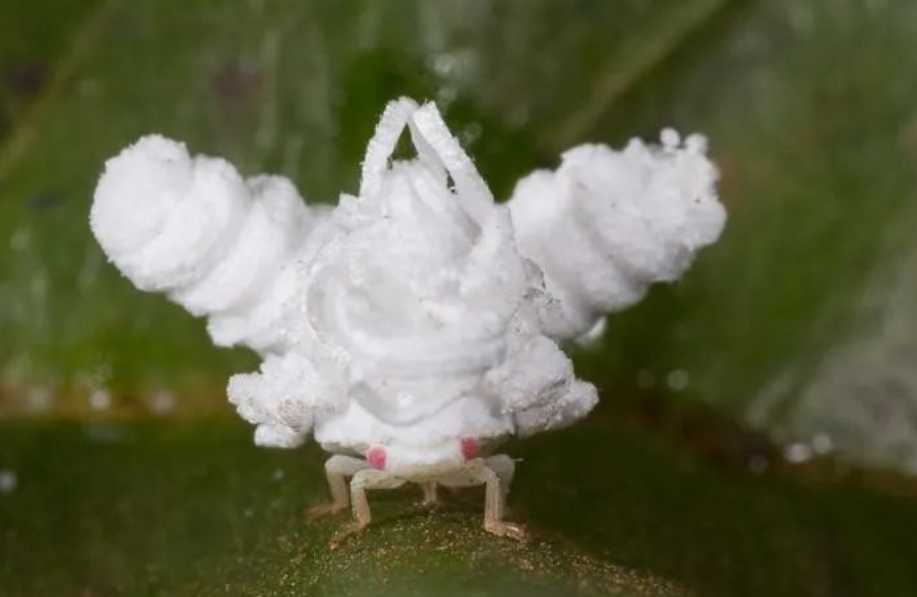
Ecuador’s 'Popcorn Bug': Flying Planthopper Nymphs Defy Predators with Waxy Camouflage
Deep in Ecuador’s cloud forests, a tiny insect nicknamed the "popcorn bug" has captivated scientists with its uncanny resemblance to a flying kernel of popcorn. The nymph stage of a Fulgoridae planthopper, it secretes a fluffy waxy coating that transforms it into a living mimic of bird droppings or spider cocoons—while flitting through the air like a speck of popped corn. Discovered in the Andean foothills, this insect’s survival strategy showcases nature’s most whimsical defenses.