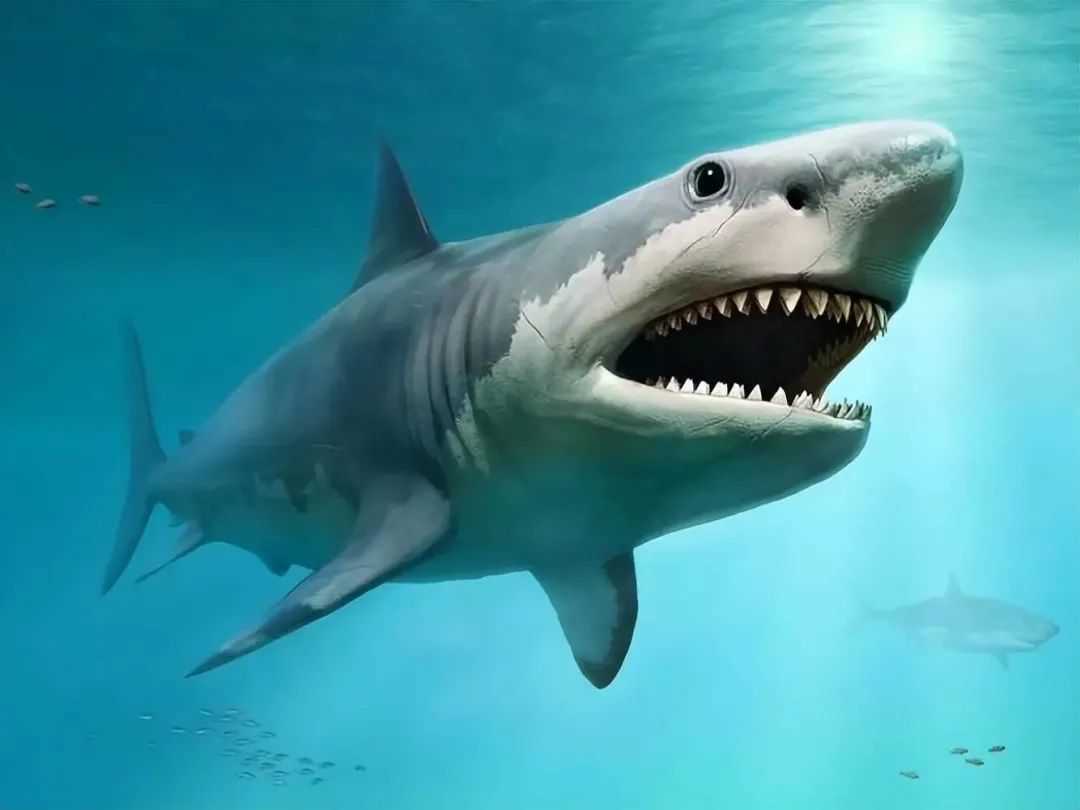
Megalodon’s physiology was a testament to evolutionary perfection for hunting. Its robust, torpedo-shaped body was armored with dense, scale-like dermal denticles that reduced drag and protected against abrasions, while its iconic serrated teeth—each up to 18 centimeters long—were capable of piercing the thick skin and bones of large marine mammals. Though often pitted against Livyatan melvillei in popular imagination, Megalodon likely prioritized easier prey such as baleen whales, seals, and large fish. Its bite force, equivalent to the weight of 30 elephants, allowed it to incapacitate prey with a single strike, making it a fearsome presence across tropical and temperate seas.
The relationship between Megalodon and Livyatan melvillei remains a subject of scientific intrigue. While Megalodon’s size and weaponry gave it a clear physical advantage, the whale’s social structure and echolocation may have offered some defense. However, fossil evidence suggests minimal direct competition, as both species likely occupied distinct ecological niches. Megalodon’s extinction, possibly due to cooling oceans and declining prey populations, marked the end of an era for megapredators. Today, its fossilized teeth and vertebrae serve as haunting reminders of a time when the ocean’s depths were patrolled by a creature whose sheer power and size were unmatched in Earth’s history.