Exotic Birds
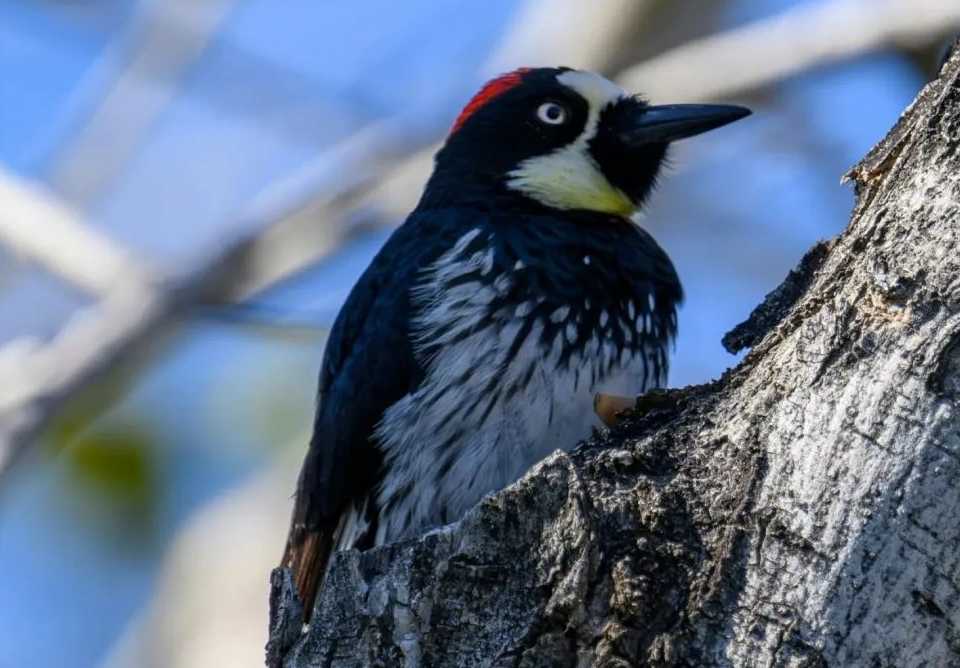
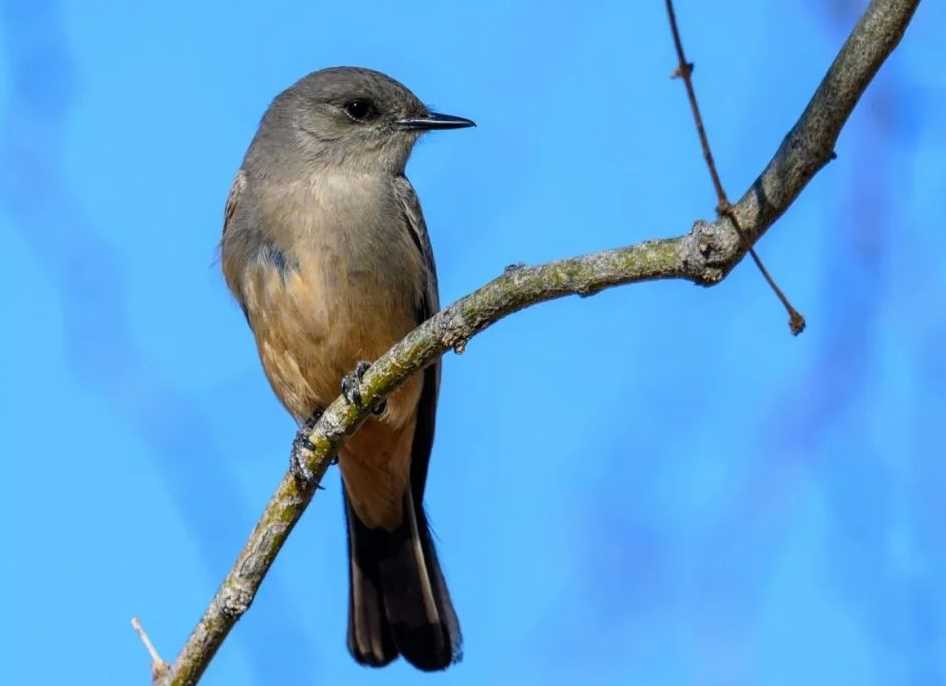
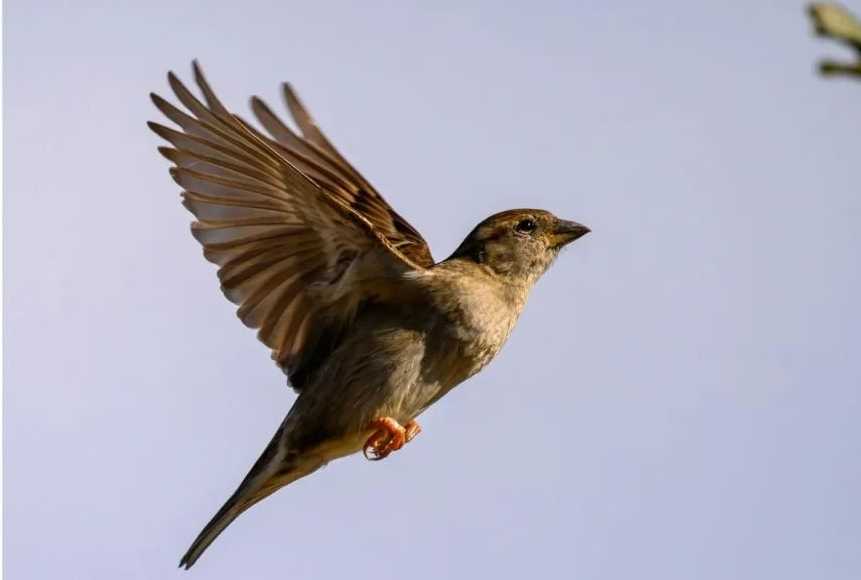
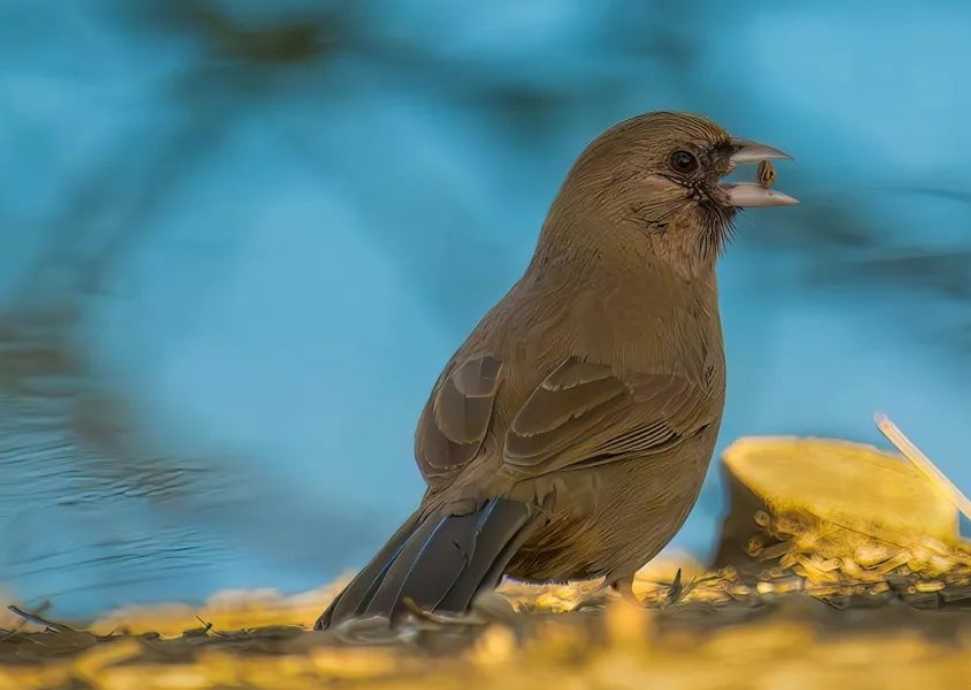
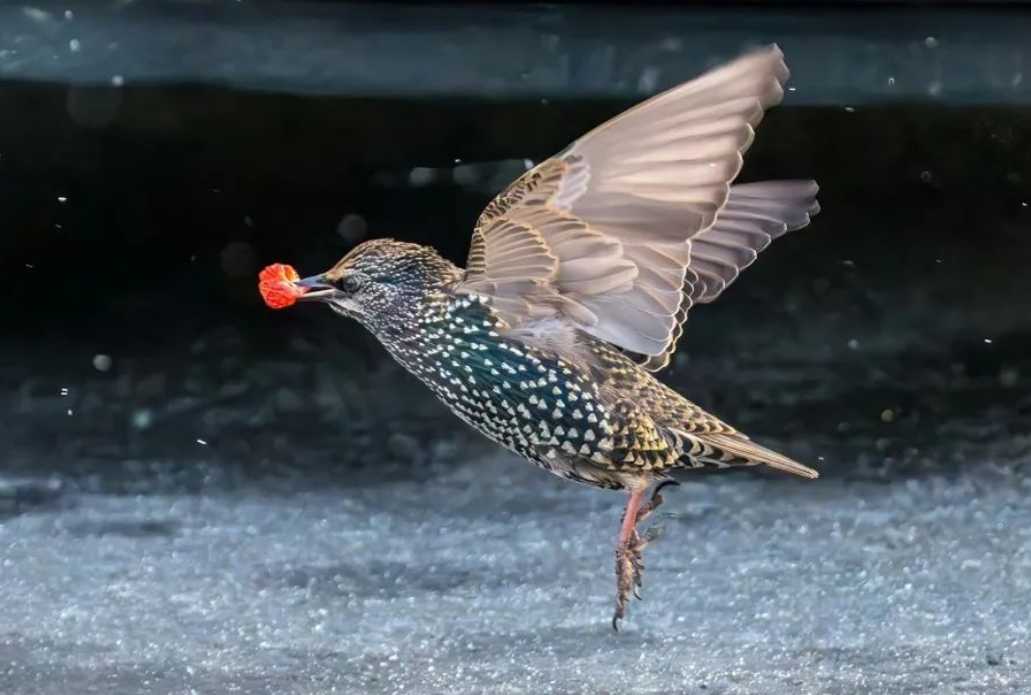
The Shimmering Starling: A Colorful Avian Intruder
The European Starling (Sturnus vulgaris), commonly known as the Purple - Winged Starling, is a medium - sized bird that has made a significant mark in the avian world. Measuring around 19 - 23 centimeters in length, it boasts a remarkable appearance that varies with the seasons.
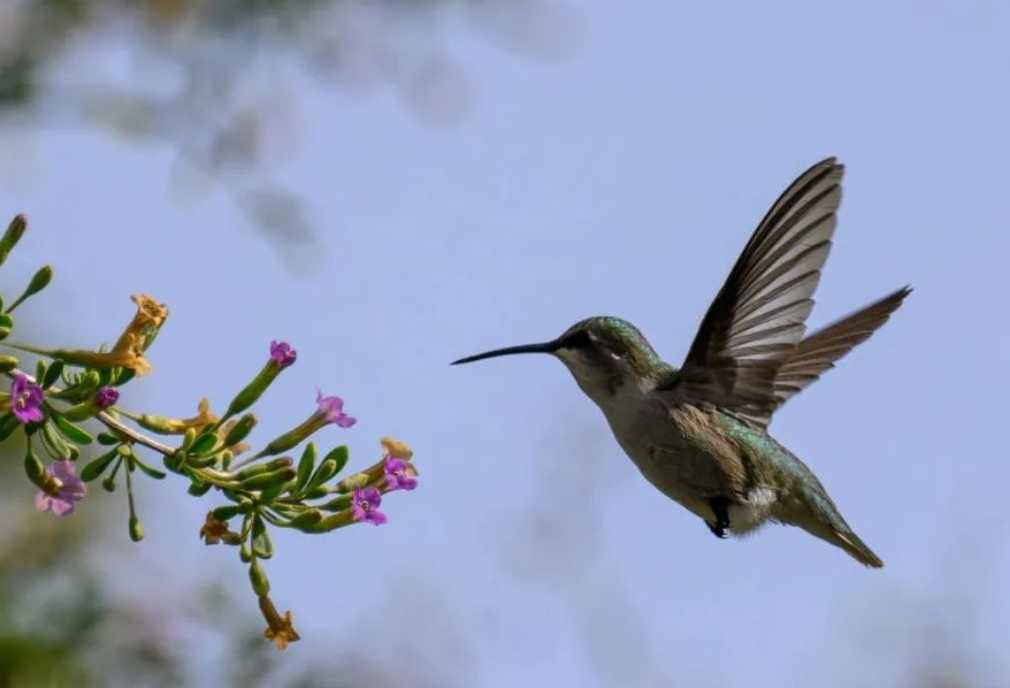
Costa's Hummingbird: A Dazzling Jewel of the Western Hemisphere
Costa's hummingbird, Calypte costae, is a tiny yet magnificent avian species renowned for its iridescent plumage. Native to the arid regions of the southwestern United States and northwestern Mexico, this bird's vibrant purple - pink throat patch on males and its iridescent green back make it a standout in the desert ecosystem. Weighing just a few grams, it flits around with astonishing speed and agility.

Long - Billed Dowitcher: A Marvel of the Shorelines
The long - billed dowitcher, Limnodromus scolopaceus, is a medium - sized shorebird easily recognizable by its strikingly long, straight bill, which is almost as long as its body. With intricate, patterned plumage that ranges from mottled browns and grays in non - breeding seasons to vibrant reddish - browns during breeding, it stands out as a unique and beautiful species along coastal and wetland habitats.

Double - Banded Plover: A Delicate Gem of the Shorelines
The double - banded plover, Charadrius bicinctus, is a small yet captivating shorebird easily distinguishable by its two distinct black bands across its chest. With a combination of sandy - brown upperparts, white underparts, and a short, stout bill, this species presents an endearing appearance as it scurries along coastal areas and inland wetlands.
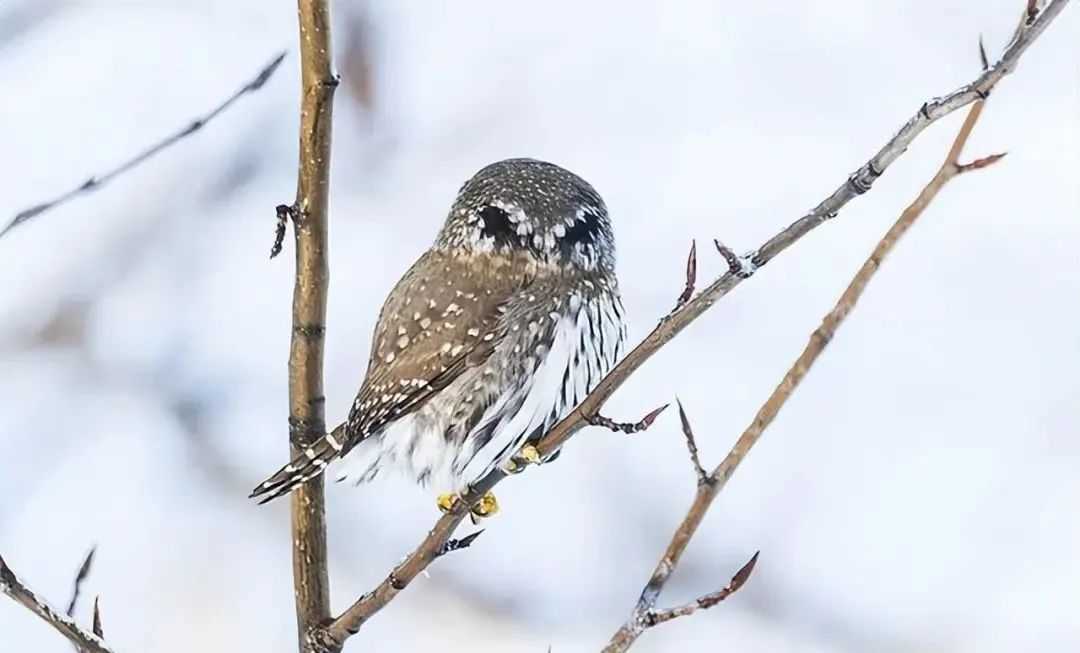
The Northern Pygmy-Owl: Deceptive 'Eyes' on Its Back
The Northern pygmy-owl (Glaucidium gnoma), a diminutive raptor native to North America’s coniferous forests, employs a fascinating evolutionary trick: conspicuous "eye spots" on the back of its head, designed to deceive predators and potential threats. These false eyes, formed by concentric circles of dark and light feathers, create the illusion that the owl is constantly watching, even when it turns its back.
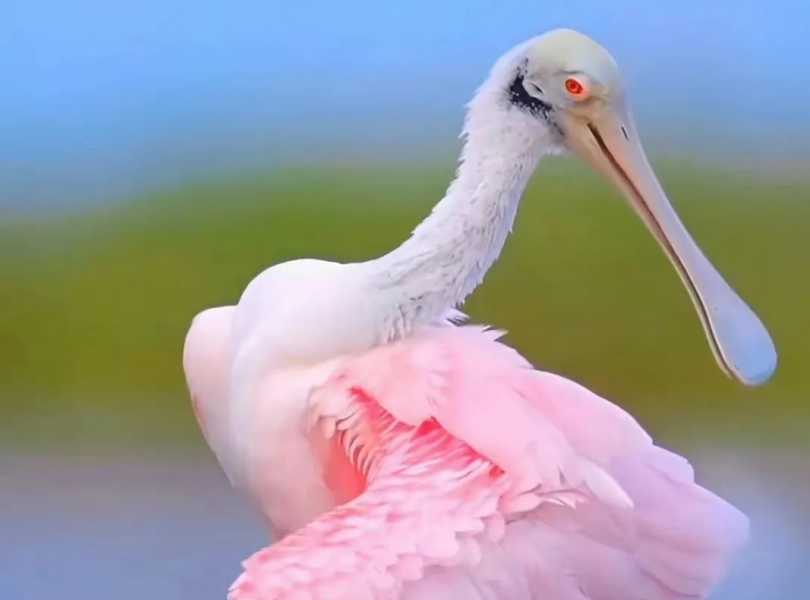
Platalea ajaja: The Vibrant Roseate Spoonbill of the Americas
Platalea ajaja, commonly known as the roseate spoonbill, is a striking wading bird native to the warm regions of the Americas. Renowned for its vivid plumage and unique feeding behavior, this species is an iconic inhabitant of shallow wetlands and coastal ecosystems, where its presence adds a splash of color to the landscape.

The Wood Duck: North America’s Jeweled Waterfowl and Living Work of Art
Scientifically named Aix sponsa—Latin for "bird as beautiful as a bride"—the wood duck is a petite tree-dwelling waterfowl measuring 47–54 cm. Native to North America’s lakes, wetlands, and forested waterways, it feasts on acorns and aquatic insects, blending arboreal agility with aquatic grace.
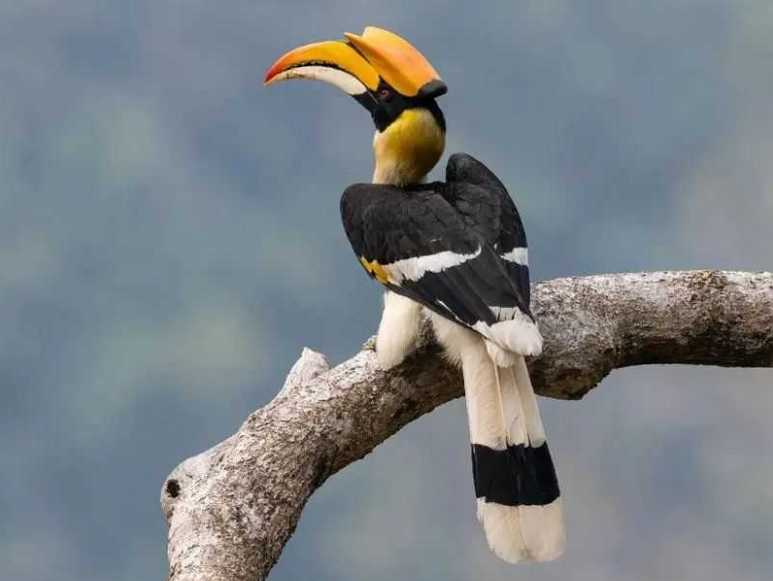
Pelecanus erythrorhynchos: The Magnificent American White Pelican of North America
The American white pelican (Pelecanus erythrorhynchos) is a striking large waterbird native to North America, celebrated for its impressive size and elegant appearance. With its snowy white plumage and commanding presence, this species dominates the freshwater and coastal ecosystems it inhabits, serving as a symbol of aquatic biodiversity across the continent.

The Golden Pheasant: China’s Living Phoenix and Avian Emblem of Royalty
Scientifically named Chrysolophus pictus, this iconic pheasant is endemic to China’s central and western mountain ranges, measuring 80 cm in length and feeding on plant seeds and insects. A national second-class protected animal, it’s long been hailed as the real-world inspiration for the mythical phoenix—an association that elevated it to imperial status in ancient China.
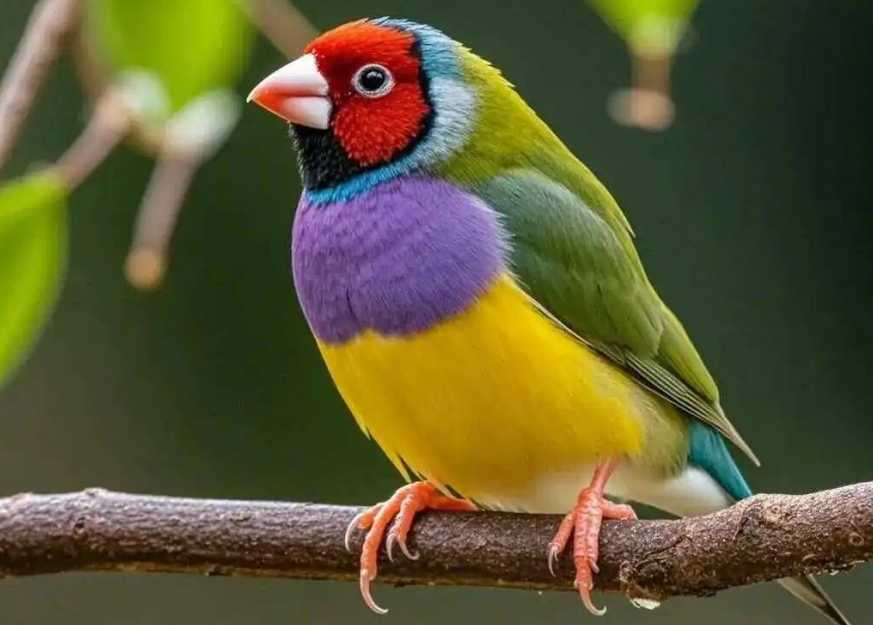
The Gouldian Finch: Australia’s Jeweled Songbird and Victorian Status Symbol
Scientifically named Chloebia gouldiae, this 12-cm passerine native to Australia’s savannas feasts on grass seeds and insects. Though wild populations now number fewer than 2,500, its dazzling plumage has made it a globally cherished ornamental bird, with captive-bred varieties outnumbering their wild counterparts.
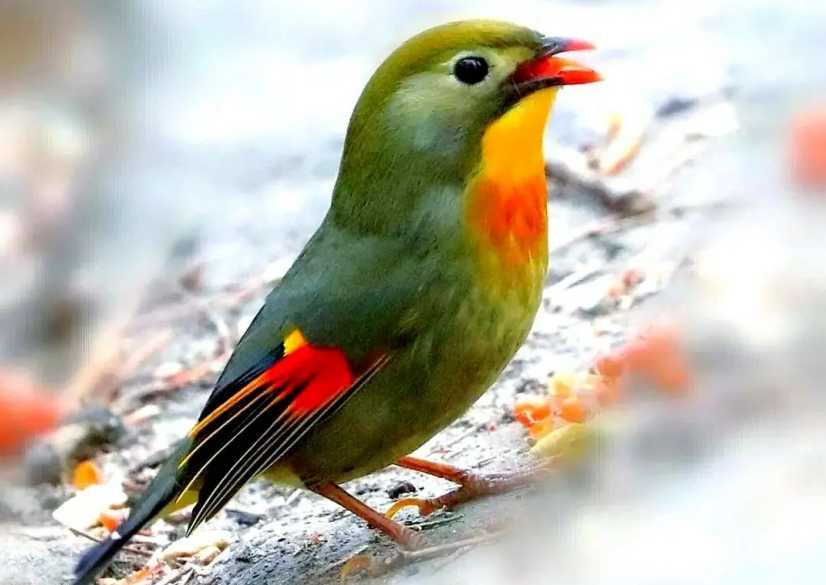
The Red-billed Leiothrix: China’s Enchanting 'Lovebird' and Melodious Songster
Scientifically named Leiothrix lutea, this 15-cm songbird is a common sight in southern China, feasting on insects and berries. Renowned as the "lovebird," it’s cherished for its monogamous nature—pairs remain inseparable, symbolizing unwavering love in Chinese culture. Often depicted in traditional ink wash paintings, their paired silhouettes adorn scrolls alongside peach blossoms, while their clear, flute-like calls have earned them the title "Chinese Nightingale."
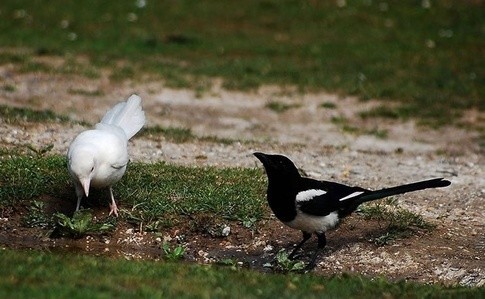
The Albino Magpie: A Rare Feathered Anomaly in the Avian World
Albino magpies, though occasionally spotted in urban and rural areas worldwide, are genetic oddities that stand out starkly from their black-and-white counterparts. Caused by a recessive gene mutation that inhibits melanin production, these birds exhibit pure white plumage, pinkish legs, and striking red or pale blue eyes—a result of blood vessels reflecting through unpigmented tissues. Unlike leucistic magpies (which have partial color loss), albinos lack all pigmentation, making them a rare sight in the wild.

Birds of Prey: Nature's Aerial Predators
Birds of prey, or raptors, are a diverse group of carnivorous birds characterized by their formidable hunting skills and specialized adaptations for predation. These apex avian predators occupy various habitats worldwide, from dense forests and open grasslands to mountain ranges and coastal regions, relying on a diet of small mammals, reptiles, fish, and other birds.
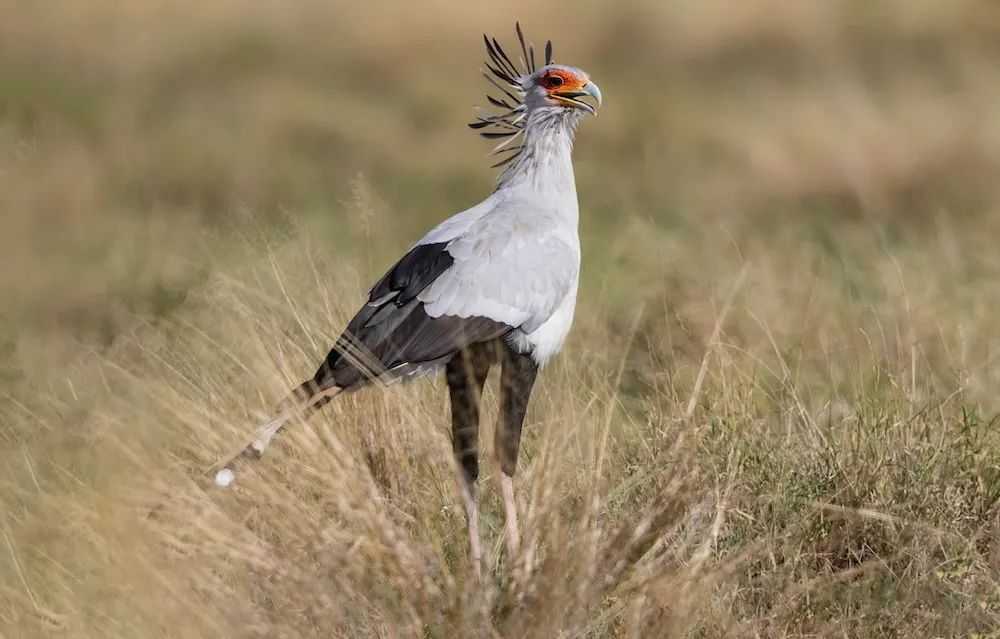
Secretarybird: The Long-Legged Titan of East African Grasslands
Standing tall amidst the vast savannas of East Africa, the secretarybird commands attention with its striking appearance and formidable hunting prowess. This unique avian predator, characterized by its long legs, powerful talons, and distinctive crest of feathers, reigns as one of the most iconic and specialized inhabitants of the grasslands.
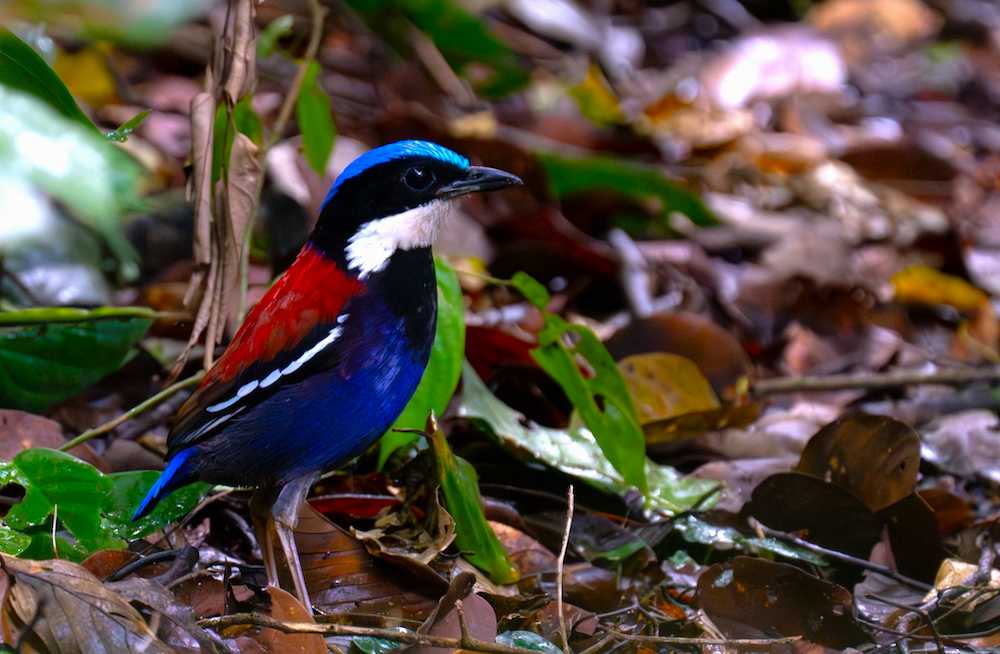
The Stunning Blue-Headed Pitta: A Jewel of the Forest
The Blue-headed Pitta (Pitta baudii), a bird of unparalleled beauty, captivates observers with its vibrant plumage and elusive nature. Found in the lush forests of Southeast Asia, this species is a testament to the dazzling diversity of avian life, drawing admiration from birdwatchers and conservationists alike.
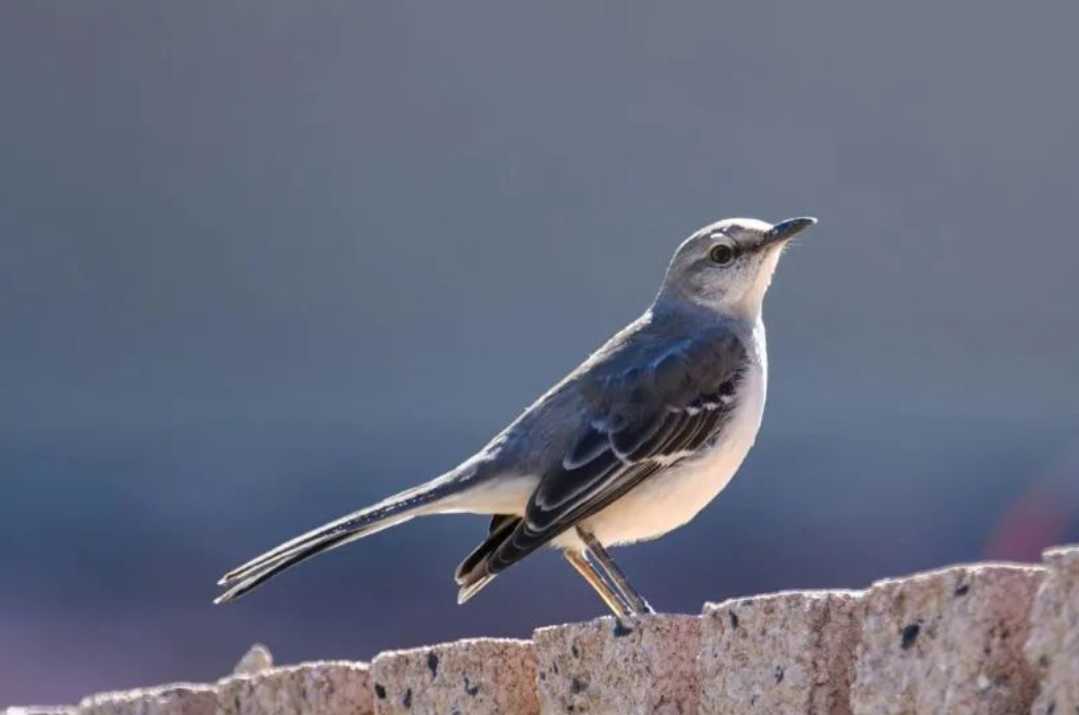
The Enigmatic Northern Mockingbird: A Master of Imitation
The Northern Mockingbird (Mimus polyglottos) is a captivating bird that has long intrigued birdwatchers and nature enthusiasts across the Americas. Renowned for its extraordinary ability to mimic a vast array of sounds, this species adds a unique charm to the ecosystems it inhabits.