Natural Ecology
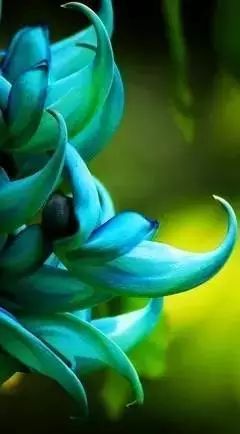
The Alluring Jade Vine: A Rare and Mesmerizing Botanical Treasure
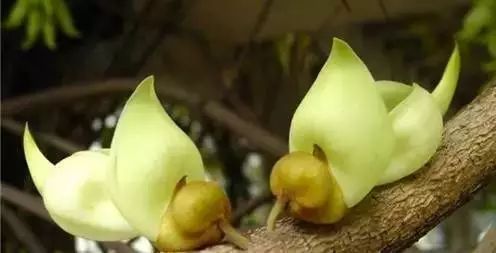
The Jade Vine (Strongylodon macrobotrys), an enchanting plant native to the Philippines, has recently caught the attention of nature lovers and botanists alike. This remarkable vine, known for its distinctive beauty, is a sight to behold in the wild.
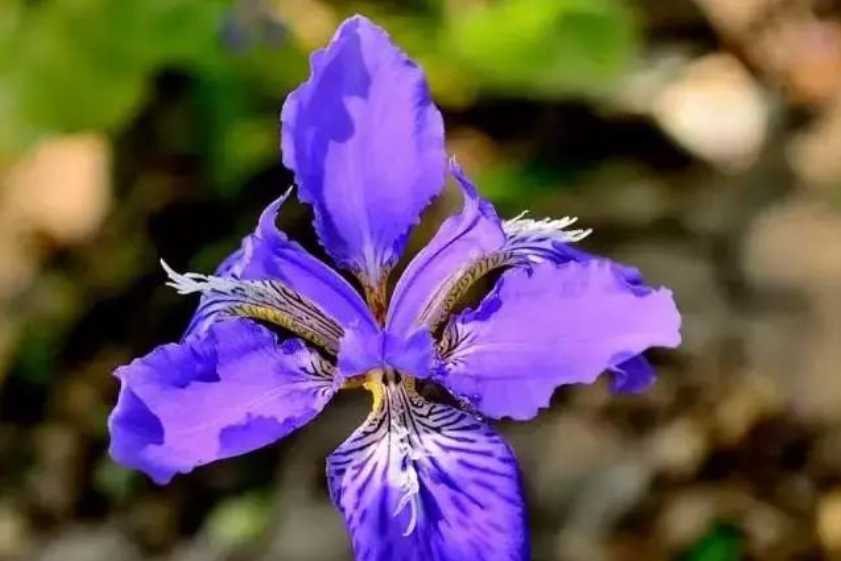
The Enchanting Blue Iris: A Floral Emblem of Elegance and Symbolism
The Blue Iris, a timeless botanical masterpiece, has captivated cultures for millennia with its striking hue and regal form. Native to temperate regions of Europe, Asia, and North America, this perennial belongs to the Iris genus, derived from the Greek word for "rainbow"—a nod to its diverse color palette, though the blue variants remain most iconic.
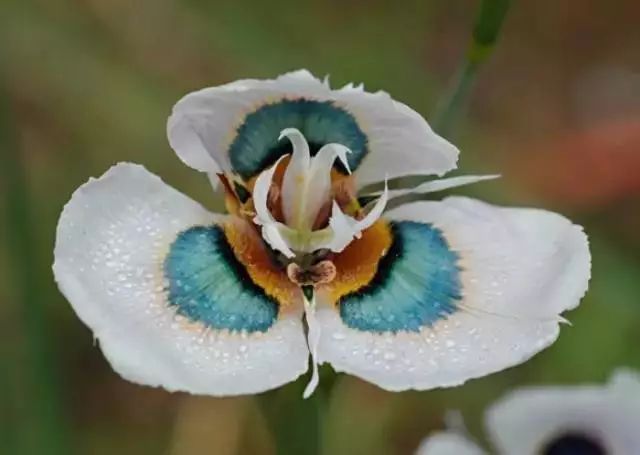
The Alluring Moraea: A Floral Gem from the Southern Hemisphere
Moraea, commonly known as the Fortnight Lily or African Iris, is a captivating genus within the Iris family, Iridaceae. Native to South Africa, these plants have made their way into gardens and landscapes around the world, enchanting observers with their unique beauty and adaptability.
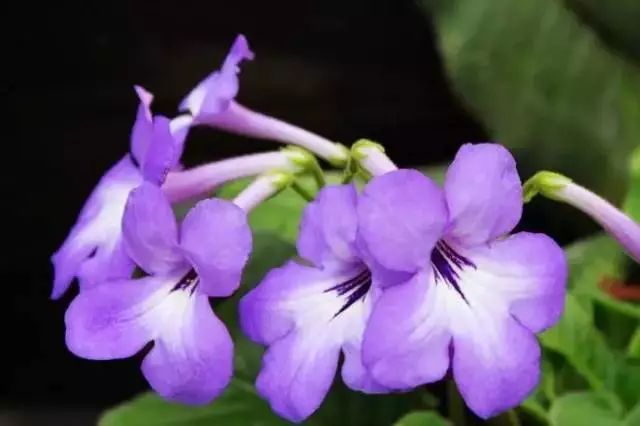
The Enchanting Streptocarpus: A Delicate Floral Gem in the Plant Kingdom
Streptocarpus, commonly known as the Cape Primrose or African Violet relative, is a genus of herbaceous perennials that has captured the hearts of horticulturists and indoor gardeners worldwide. Native to eastern and southern Africa, these plants thrive in the cool, humid microclimates of mountainous regions, from Kenya to South Africa, where they grow as epiphytes or lithophytes in forest understories.
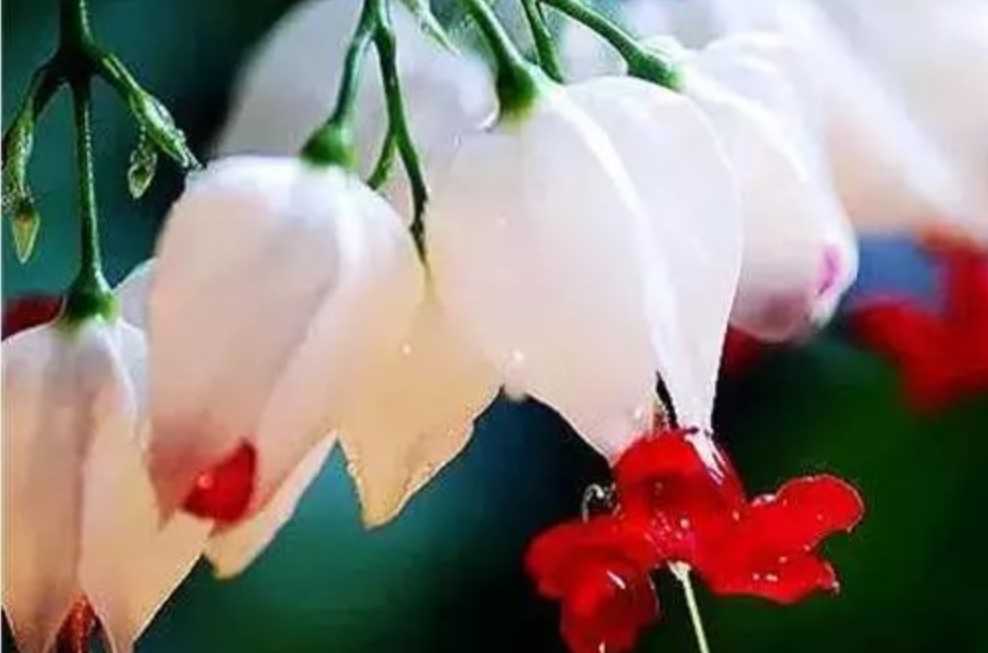
The Enchanting Dragon's Tongue Flower: A Floral Marvel with Dramatic Flair
Clerodendrum thomsoniae, commonly known as the Dragon's Tongue Flower or Bleeding Heart Vine, has captivated gardeners and botanists with its striking appearance and unique name. Native to West Africa, this evergreen shrub thrives in tropical and subtropical climates, where it climbs trellises or sprawls as a groundcover, adding a touch of drama to landscapes.
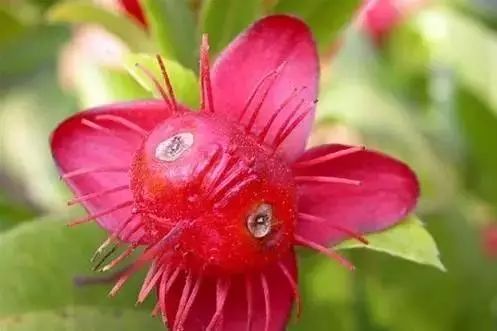
The Whimsical "Mickey Mouse Tree" Blossoms Amaze Nature Enthusiasts
The "Mickey Mouse Tree," scientifically known as Ochna serrulata or Ochna thomasiana, has recently caught the attention of plant lovers around the world with its unique and charming appearance. Native to tropical regions of Africa and Asia, this plant has earned its playful name due to its uncanny resemblance to the iconic Disney character, Mickey Mouse, especially during its fruiting stage.
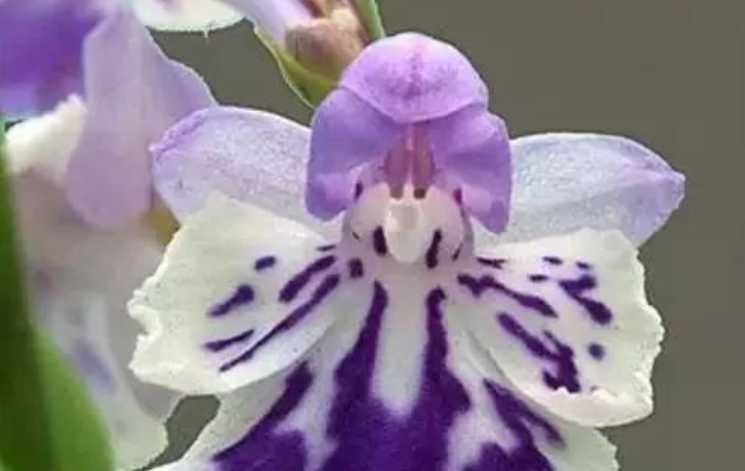
Exquisite Orchid: The Enchanting Ponerorchis graminifolia
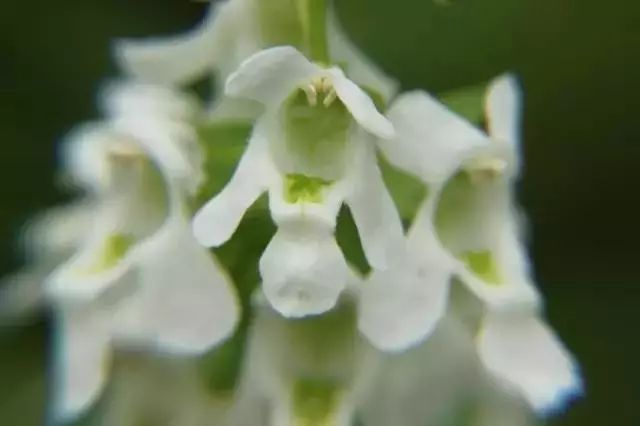
Ponerorchis graminifolia, commonly known as the Feather Butterfly Orchid, is a fascinating orchid species that has captured the hearts of plant enthusiasts and nature lovers alike.
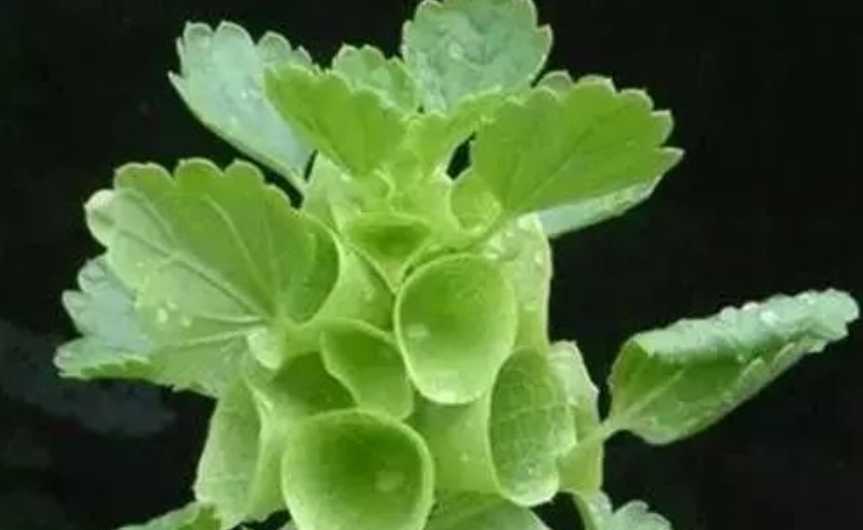
The Enchanting Shell Flower: A Botanical Curiosity with Timeless Charm
The Shell Flower (Moluccella laevis), also known as the Bells of Ireland or Shell Plant, is a unique annual herb that has captivated gardeners and floral designers for centuries. Native to the Mediterranean region and parts of Asia, this plant stands out for its distinctive appearance, combining architectural elegance with a soft, whimsical appeal.
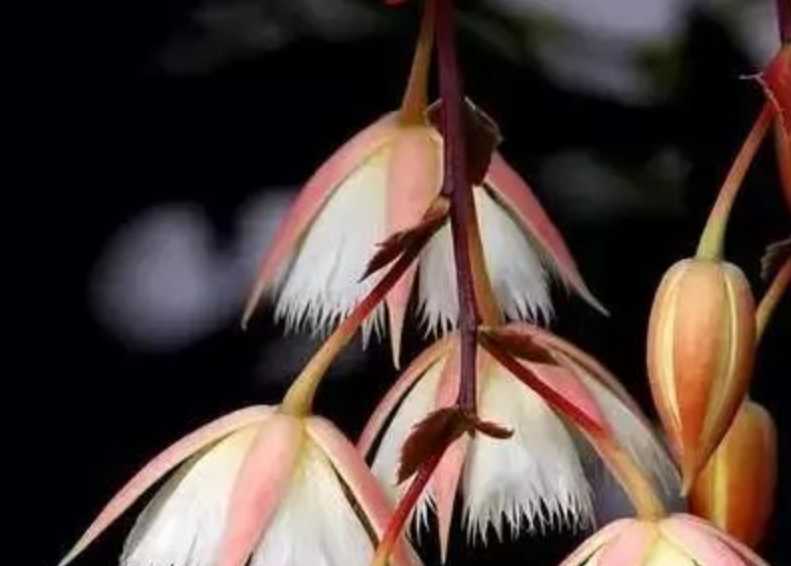
The Alluring Blooms of the Elaeocarpus: A Floral Delight
The Elaeocarpus, a genus of trees and shrubs, is home to some truly captivating species, with their flowers being a sight to behold. These plants are widely distributed across East Asia, Southeast Asia, and the southwestern Pacific regions.
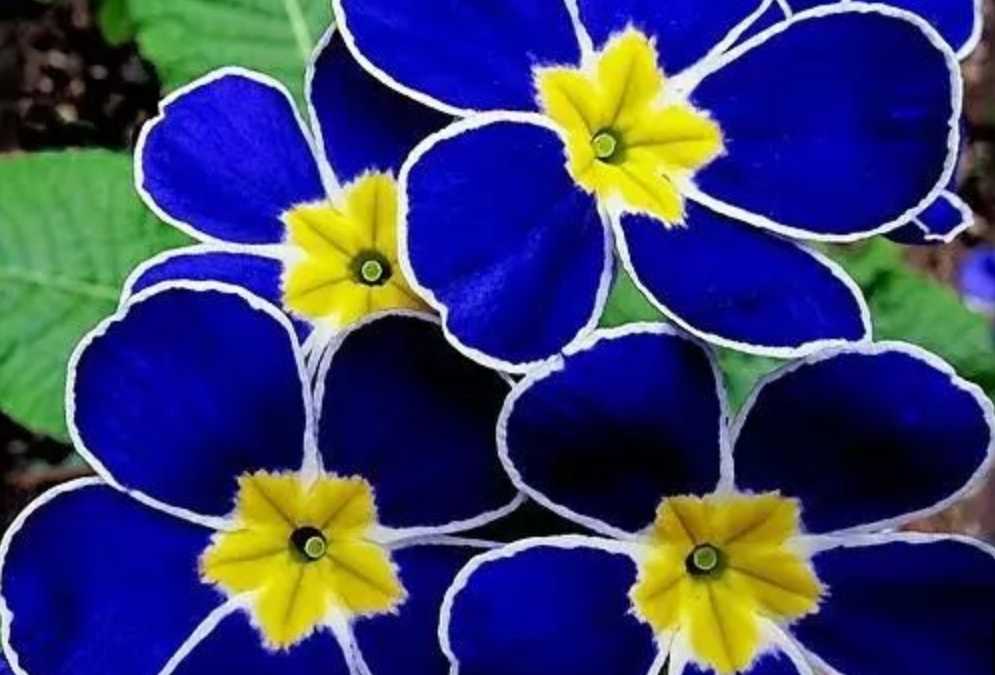
The Charming Primula: A Delightful Bloomer of the Plant World
The Primula, a genus of charming flowering plants, has long captured the hearts of gardeners and nature enthusiasts alike. With a wide distribution across the Northern Hemisphere, including regions in Asia, Europe, and North America, these plants bring a touch of elegance to various landscapes.
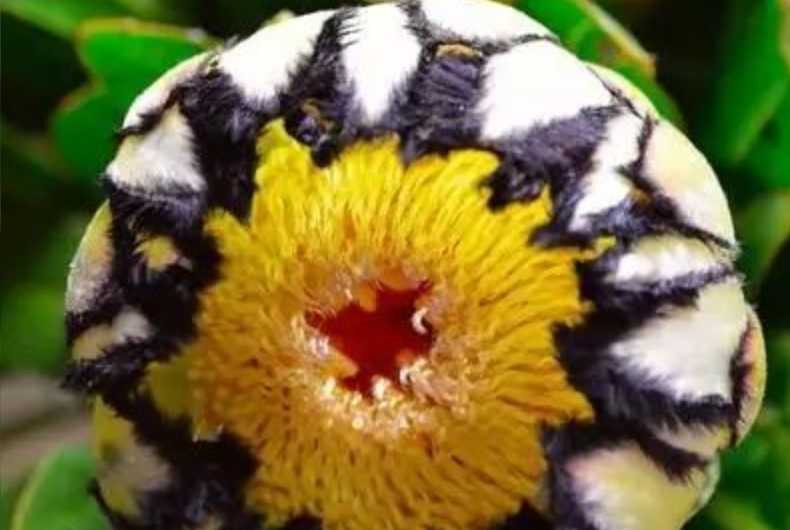
The Majestic King Protea: South Africa's Floral Royalty
The King Protea (Protea cynaroides), an iconic botanical masterpiece native to South Africa’s fynbos regions, reigns as one of the world’s most striking flowers. This evergreen shrub has captivated horticulturists and nature enthusiasts with its regal appearance and cultural significance, standing as a living symbol of the continent’s diverse ecosystems.
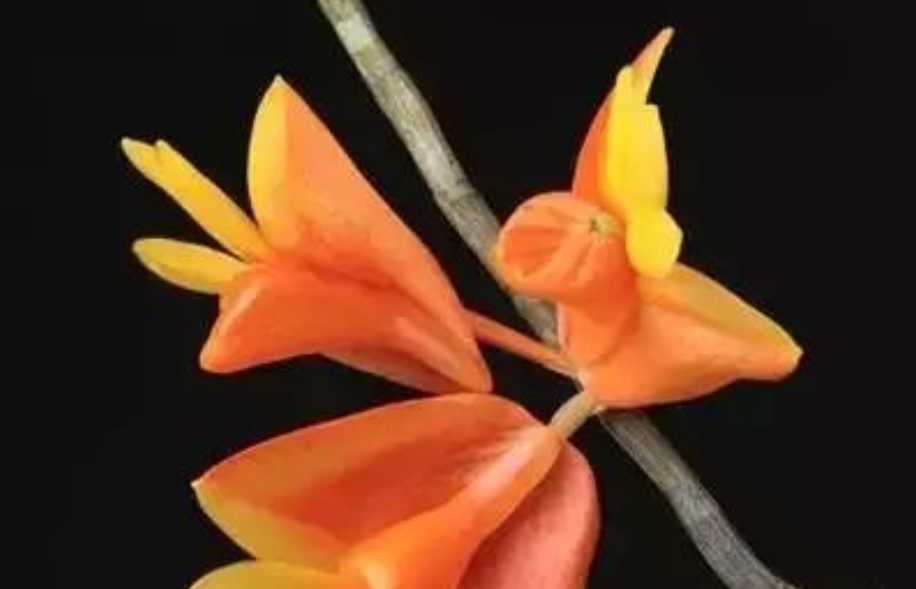
The Enigmatic Bulbophyllum: A Jewel of the Orchid World
The Bulbophyllum, a vast genus within the Orchidaceae family, comprises over 2,000 species of epiphytic orchids renowned for their bizarre and captivating flowers. Native to tropical and subtropical regions across Asia, Africa, and the Americas, these orchids thrive in humid forests, clinging to tree trunks or rocky cliffs with their fibrous roots.
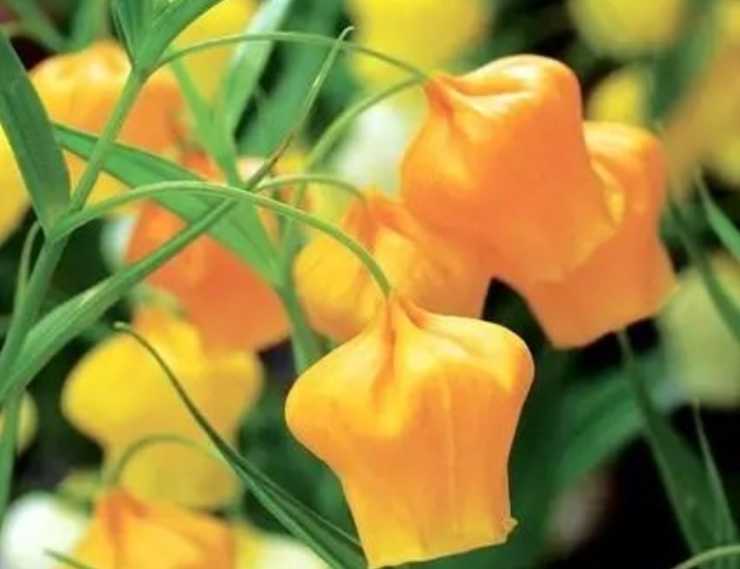
The Enchanting Chinese Lantern Lily: A Botanical Gem Illuminating Gardens
The Chinese Lantern Lily (Sandersonia aurantiaca), an exquisite bulbous perennial, has charmed horticulturists worldwide with its unique floral form and warm, vibrant hues. Native to southern Africa, this plant—also known as the Christmas Bells or Golden Lily—thrives in temperate climates, blending seamlessly into cottage gardens, borders, and floral arrangements.
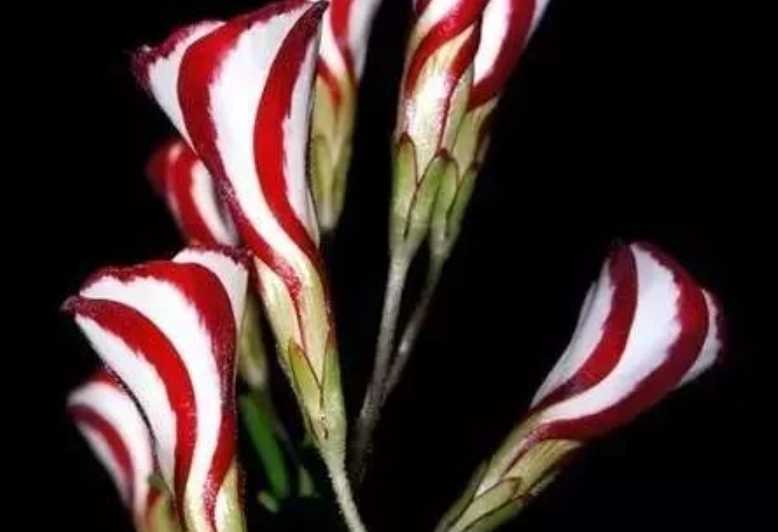
The Mesmerizing Candy Cane Sorrel: A Botanical Delight with a Twist
The Candy Cane Sorrel, scientifically known as Oxalis versicolor, is a captivating member of the Oxalidaceae family that has won the hearts of plant enthusiasts worldwide. Native to the sunny landscapes of South Africa, this perennial bulbous plant has made its mark in gardens and indoor spaces alike, thanks to its unique and eye - catching blooms.
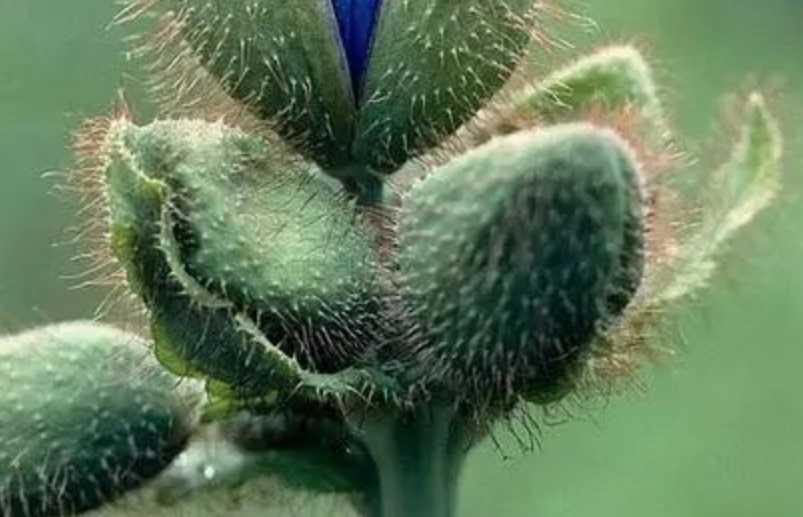
The Enigmatic Himalayan Blue Poppy: A High - Altitude Marvel
The Himalayan Blue Poppy, scientifically known as Meconopsis, is a captivating flower that has long fascinated botanists and nature enthusiasts alike. Native to the Himalayan region, this plant is a symbol of the harsh yet beautiful landscapes of high - altitude areas.
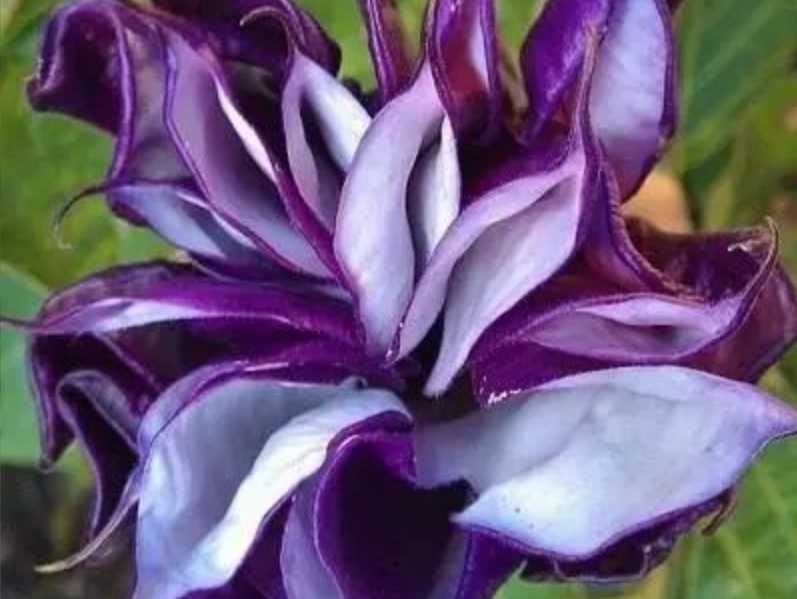
The Enigmatic Datura: A Floral Paradox of Beauty and Danger
The Datura, commonly known as Jimsonweed or Angel's Trumpet, is a genus of flowering plants that has captivated and cautioned humanity for centuries. Native to the Americas, these annual or perennial herbs now thrive in temperate and tropical regions worldwide, blending striking ornamental appeal with inherent toxicity.