Animal Information
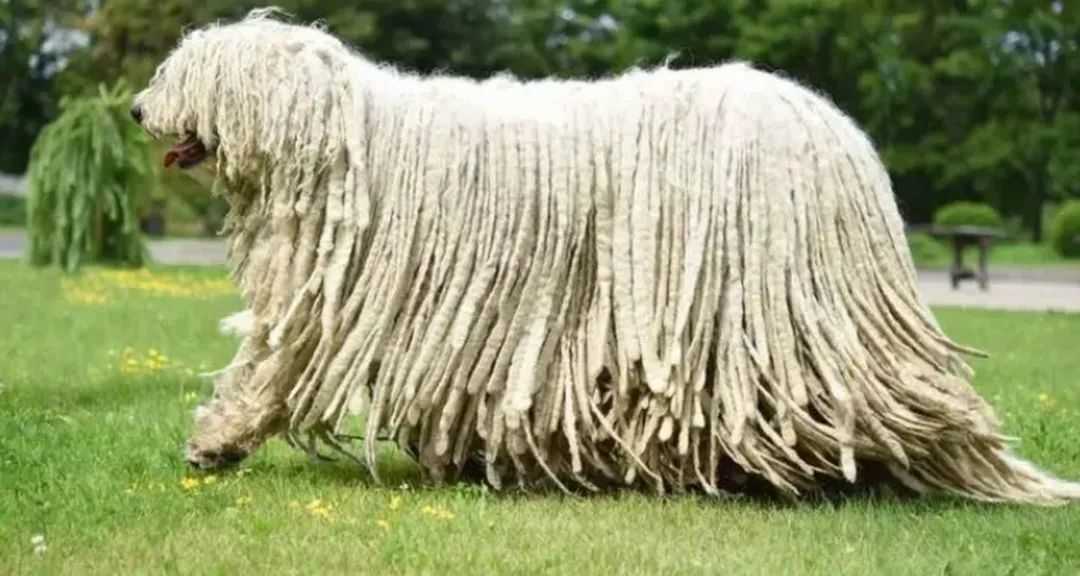
The Komondor: Hungary’s Majestic 'Mop Dog' with a Guarding Legacy
Originating in Hungary, the Komondor is a muscular large breed renowned as a fearless guardian. Historically tasked with protecting herds from wolves, this agile canine now serves as a devoted family guard dog, blending loyalty with a distinctive appearance that earned it a quirky nickname.
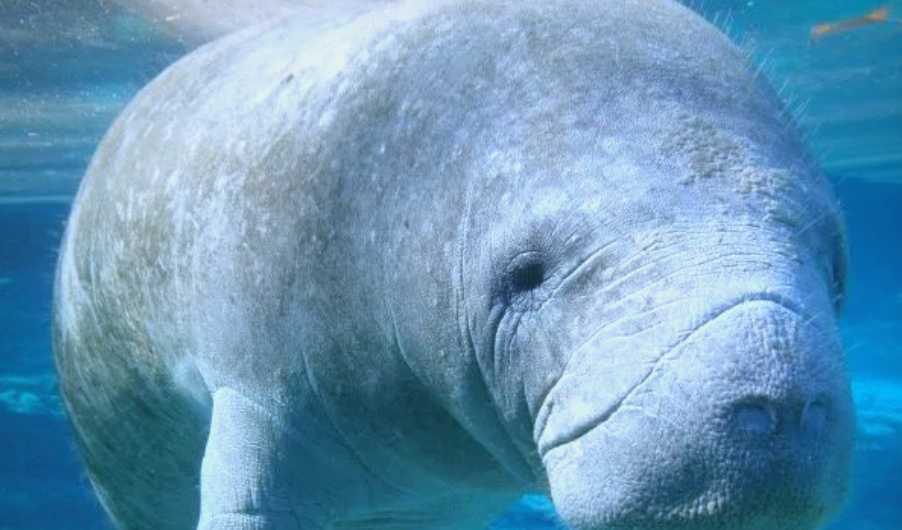
The Dugong: Earth’s Last Living 'Sea Cow' and Its Tragic Plight
As the sole surviving species of the Dugongidae family, the dugong measures 2.7–3.3 meters in length and weighs 400–600 kg, grazing on seagrass in tropical shallows. Tragically, the population in China’s South China Sea has been confirmed functionally extinct, making this gentle giant a national first-class protected animal in China.
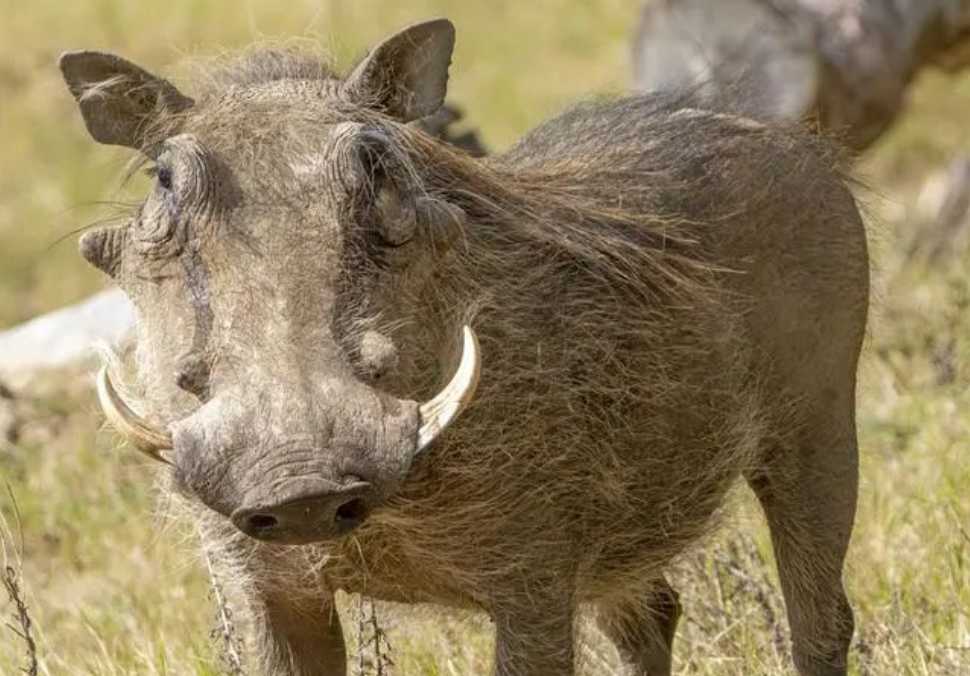
The Warthog: Africa’s Grotesque Yet Resilient Oddity
Native to Africa, warthogs (Phacochoerus) earn their name from the fleshy facial warts beneath their eyes. Split into the common warthog and desert warthog, these ungulates have heads comprising one-third of their body length, with tusks reaching 64 cm. They subsist on grass roots and tubers, surviving months without water—adaptations that define their harsh savanna lifestyle.
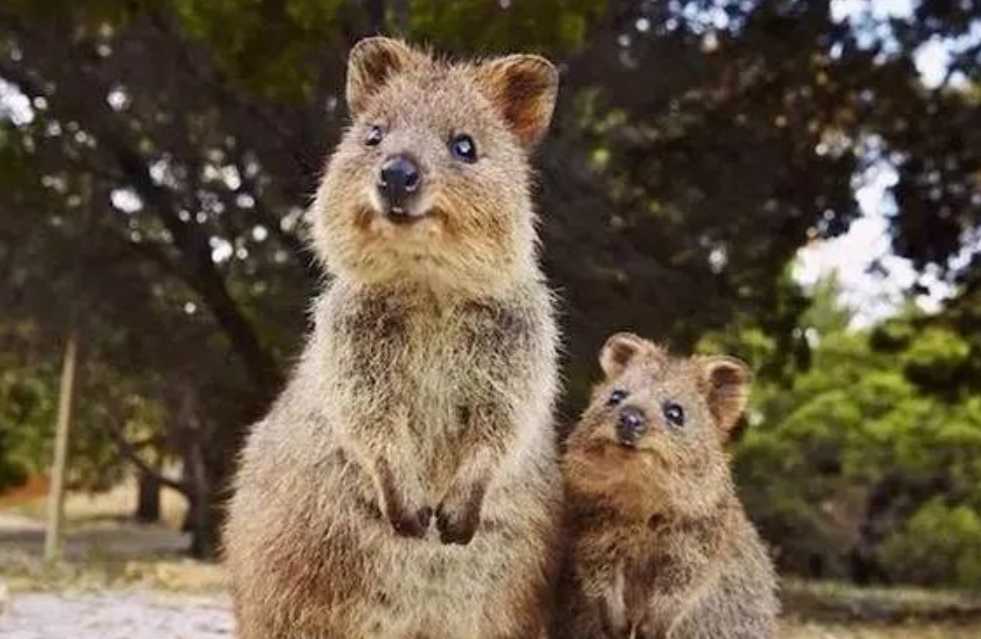
The Quokka: Australia’s Cheerful 'Smiling' Marsupial Endemic to Rottnest Island
Native to the coastal regions of Western Australia, the quokka (Setonix brachyurus) has won global hearts with its perpetually cheerful expression, often dubbed the "world’s happiest animal." This small marsupial, about the size of a domestic cat, thrives in scrublands and forests, captivating visitors and researchers alike with its friendly demeanor and unique evolutionary traits.
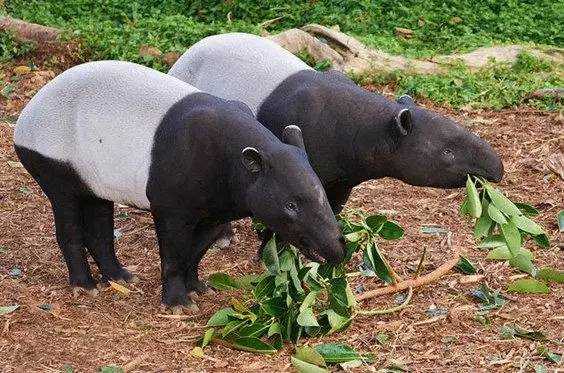
The Malayan Tapir: Southeast Asia’s Elusive 'Living Fossil' with a Distinctive Black-and-White Coat
Native to the dense rainforests of Malaysia, Thailand, and Sumatra, the Malayan tapir (Tapirus indicus), also known as the Asian tapir, stands out as one of the region’s most unique and endangered mammals. Recognized by its striking black-and-white coloration and prehensile snout, this large herbivore is often called a "living fossil" due to its ancient lineage and primitive features.
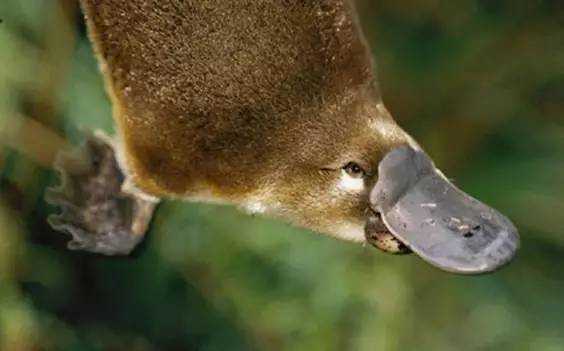
The Platypus: Australia’s Bizarre 'Duck-Billed' Mammal, a Living Evolutionary Enigma
Native to the freshwater rivers of eastern Australia, the platypus (Ornithorhynchus anatinus) stands as one of the world’s most extraordinary creatures—an odd blend of mammalian, reptilian, and avian traits that baffled scientists when first discovered. Often called a "living fossil," this semiaquatic mammal lays eggs, produces milk, and sports a duck-like bill, making it a unique representative of the ancient monotreme order.
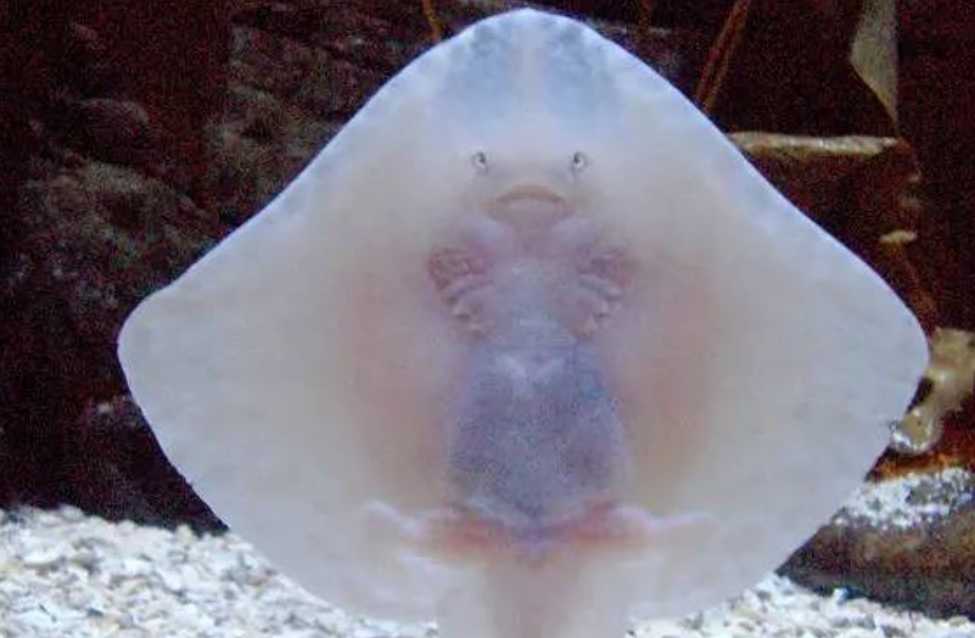
The Ray: A Diverse Group of Flat-Bodied Cartilaginous Fishes
Rays are a collective term for numerous flattened cartilaginous fishes in the orders Rajiformes and Myliobatiformes within the class Chondrichthyes. Below is a detailed introduction to these unique marine creatures:

Adorable and Fluffy: The Angora Rabbit
The Angora rabbit is a well - known and beloved domestic rabbit variety. Originating from what is now Ankara, Turkey, it has a long history of being bred for its soft and luxurious wool. It became popular among French royalty in the 18th century and later spread across Europe and to the United States
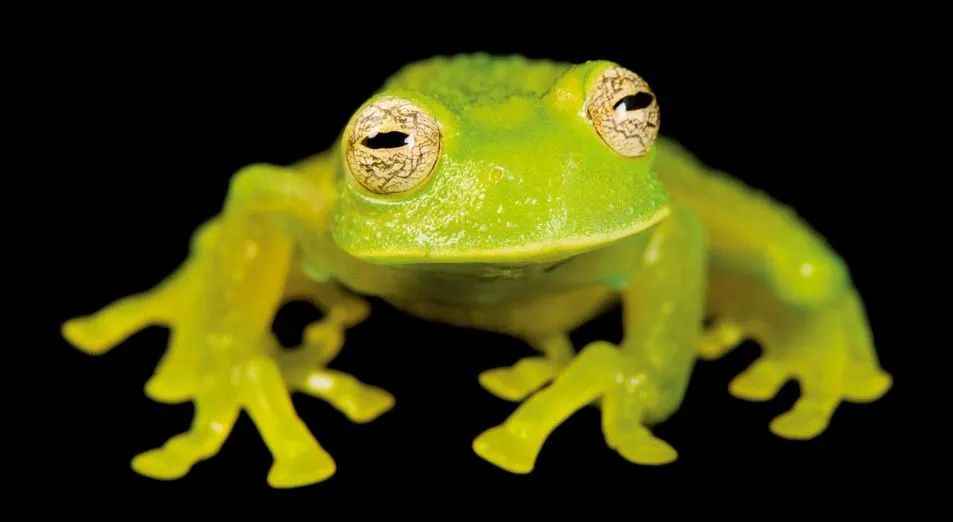
Scientists Warn: 'Living Crystal' Buckley's Glass Frog Faces Extinction in Amazon Rainforest
Deep in the mist-shrouded cloud forests of the Andes, a frog with a body as transparent as glass teeters on the brink of crisis. The Buckley's glass frog (Centrolene buckleyi) is renowned for its translucent abdomen, where its beating heart, digestive system, and bones are visible—a natural "living dissection." However, the International Union for Conservation of Nature (IUCN) has classified this species as Vulnerable, with wild populations collapsing due to habitat destruction and illegal trade.
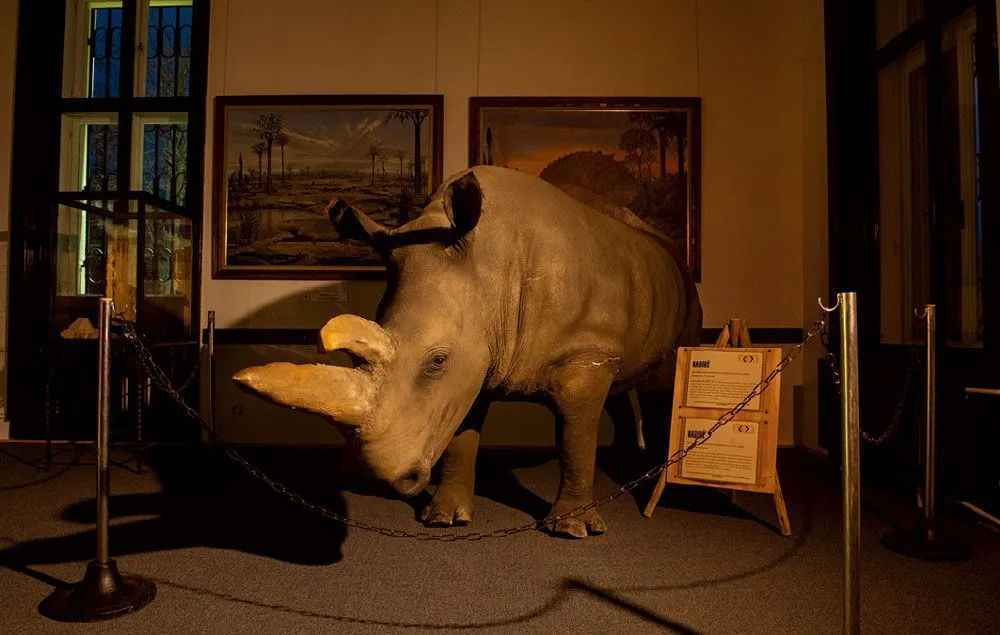
Last Male Northern White Rhino's Death Seals Species' Fate
Prague, [News Date] – The extinction of the northern white rhinoceros was formally sealed in 2018 with the death of Nabire, the last male of the species, at Dvůr Králové Zoo in the Czech Republic. The 31-year-old rhino, born in captivity, breathed his last in March, marking the end of a lineage that once roamed central Africa's savannas.
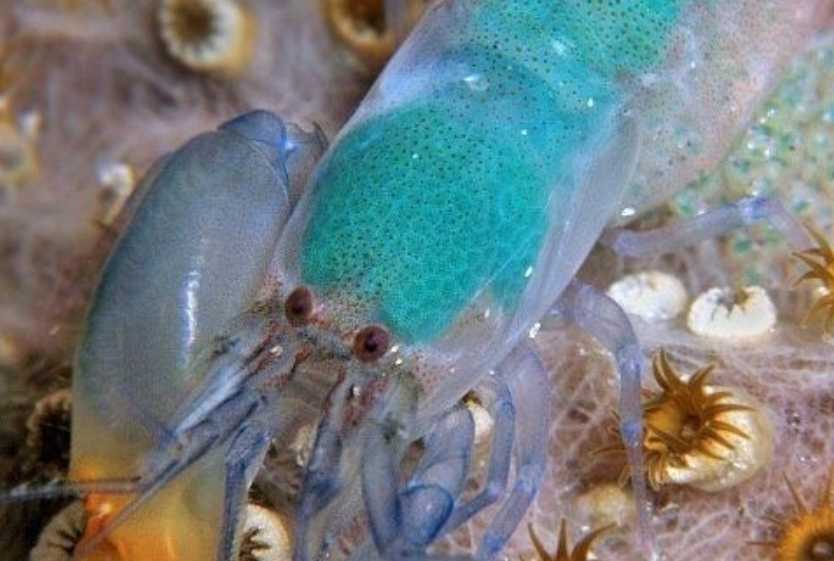
The Pistol Shrimp: Nature’s Underwater Sonic Boom Specialist
The pistol shrimp, also known as the "snapping shrimp," is a fascinating crustacean renowned for its ability to create a powerful sonic boom using a specialized claw. Found in tropical and subtropical marine environments worldwide, this small but mighty creature has evolved one of nature’s most remarkable acoustic weapons.
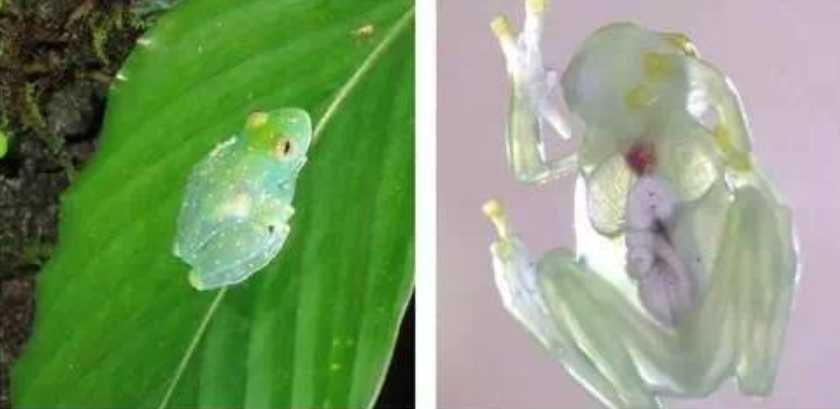
The Glass Frog: Nature’s Transparent Amphibian with a Window to Its Inner World
Native to the cloud forests of Central and South America, the glass frog (family Centrolenidae) is a remarkable amphibian celebrated for its most unique trait—transparent skin on its belly, allowing observers to see its beating heart, intestines, and even eggs. This evolutionary marvel has captivated biologists, offering a rare glimpse into the inner workings of a living animal.
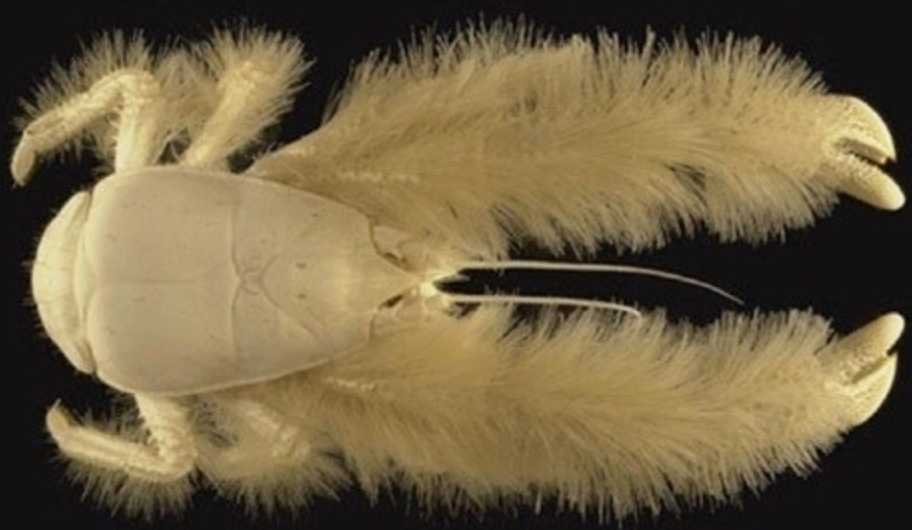
The Yeti Crab: Deep-Sea Marvel with Hairy Pincers and a Chemosynthetic Lifestyle
Discovered in 2005 near hydrothermal vents off Easter Island, the yeti crab (Kiwa hirsuta) is a crustacean unlike any other—renowned for its fuzzy, blond "hair" covering its pincers and body, earning it the nickname "yeti crab." This deep-sea dweller thrives in one of Earth’s most extreme environments, relying on a unique partnership with bacteria for survival.
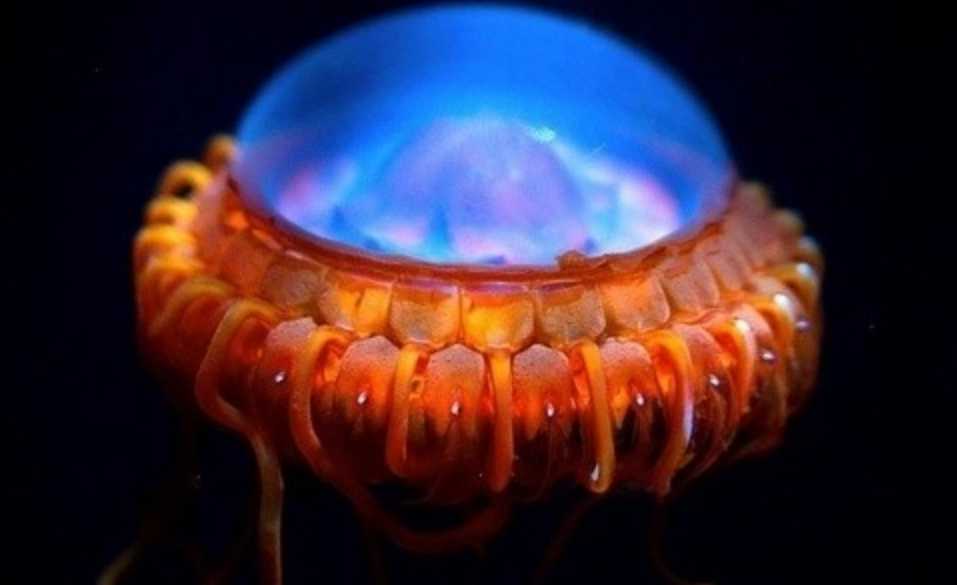
The Alarm Jellyfish: Ocean’s Bioluminescent Sentinel with a Flashing Defense Mechanism
The alarm jellyfish, scientifically known as Atolla wyvillei, is a deep-sea marvel renowned for its spectacular bioluminescent display—a natural defense strategy that earned it the nickname "alarm bell of the ocean." Found in mesopelagic and bathypelagic zones worldwide, this gelatinous creature has evolved a unique way to survive in the dark abyss by turning predation threats into the ultimate warning signal.
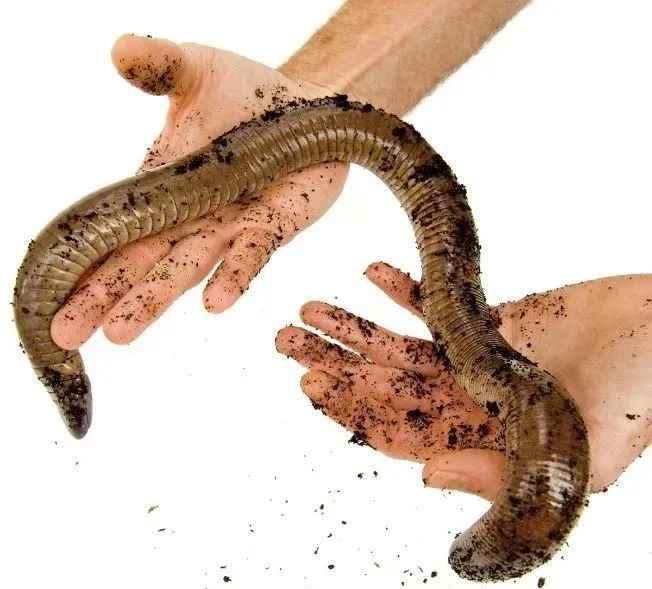
Mexican Caecilian: A Vulnerable Amphibian Hiding in Soil
Beneath the soft soils of Mexico, a creature that resembles a giant earthworm quietly resides. But don't be fooled by its appearance—this is no worm. It's Dermophis mexicanus, a unique amphibian with a surprising secret: its limbs have completely vanished over time.
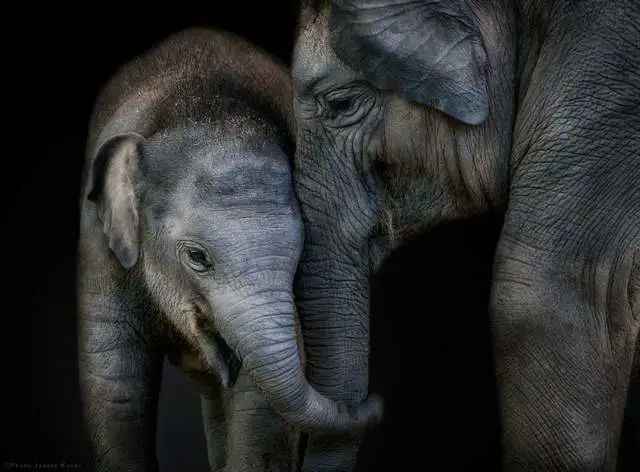
Asian Elephants vs. African Elephants: Key Differences, Hybridization Barriers, and Shared Endangerment
Asian elephants and African elephants, the two largest land mammals on Earth, exhibit numerous distinct differences and face significant genetic barriers to interbreeding.