Scarab Beetles (Scarabaeidae): Jewels of the Insect World

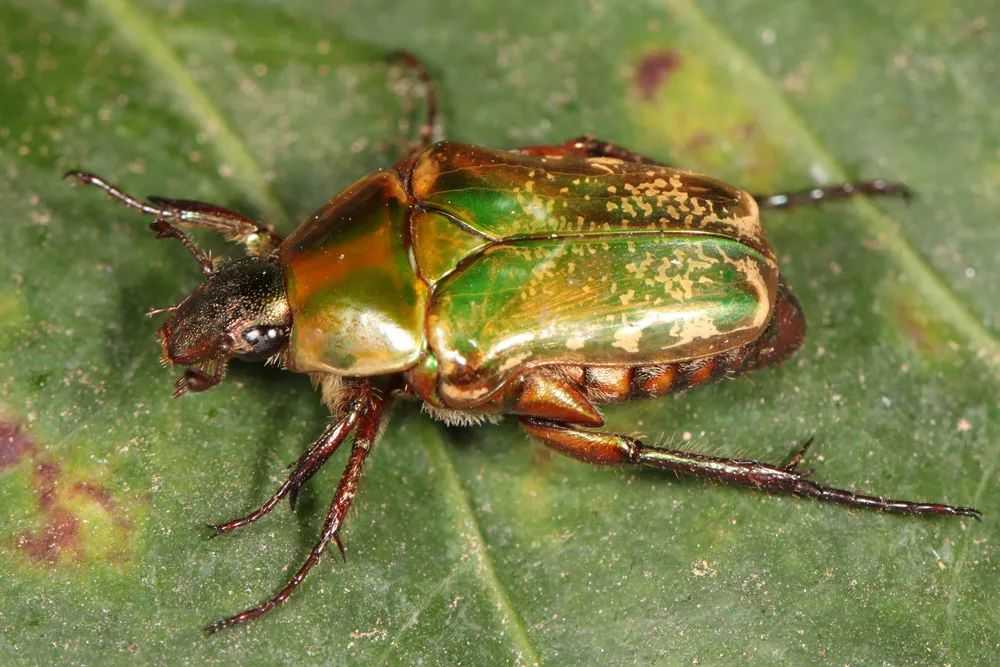
Scarab beetles, comprising the family Scarabaeidae, are a diverse group of coleopterans renowned for their often iridescent exoskeletons, distinctive morphology, and ecological significance. With over 30,000 species worldwide, they inhabit almost every terrestrial ecosystem, from deserts to rainforests.

· 2 minute read
Morphological Traits

  • Body Structure: Most scarabs have a robust, oval-shaped body with a domed pronotum and hardened elytra (wing covers). Sizes range from 1 mm to over 15 cm (e.g., Goliathus species).
  • Antennae: Unique "lamellate" antennae, ending in segmented, leaf-like plates that detect odors.
  • Sexual Dimorphism: Males often bear elaborate horns or projections on the head and thorax (e.g., rhinoceros beetles), used in mating competitions.

Life Cycle & Behavior

  1. Egg to Adult: Females lay eggs in soil, decaying organic matter, or animal dung. Larvae (grubs) are C-shaped, white, and inhabit soil or detritus, feeding on roots,or dung. They pupate in earthen cells before emerging as adults.
  2. Feeding Habits:
    • Dung Beetles: Specialized species (e.g., Scarabaeus) roll dung into balls for nesting and food, earning them the title "ecosystem engineers."
    • Leaf Chafers: Adults feed on leaves, flowers, or fruit (e.g., Japanese beetles, Popillia japonica), while larvae damage plant roots.
    • Stag Beetles: Some adults have enlarged mandibles but feed little; larvae decompose wood.
  3. Nocturnal & Diurnal Species: Many are active at night (e.g., June bugs), while others (e.g., flower chafers) fly during the day.

Ecological Roles

  • Decomposers: Dung beetles accelerate nutrient cycling by burying dung, reducing parasite populations and enriching soil.
  • Pollinators: Flower-visiting scarabs (e.g., Euphoria) aid plant reproduction, especially in tropical regions.
  • Food Source: Larvae and adults serve as prey for birds, mammals, and other insects.

Cultural & Economic Significance

  • Symbolism: In ancient Egypt, the dung beetle (Scarabaeus sacer) was a symbol of rebirth and the sun god Ra, with carved scarab amulets representing protection.
  • Pests & Benefits: Some species (e.g., white grubs) damage crops and lawns, while others (e.g., dung beetles) are used in biological control to manage livestock waste.
  • Biodiversity Indicators: Scarab diversity reflects ecosystem health, making them key species in environmental studies.

Popular