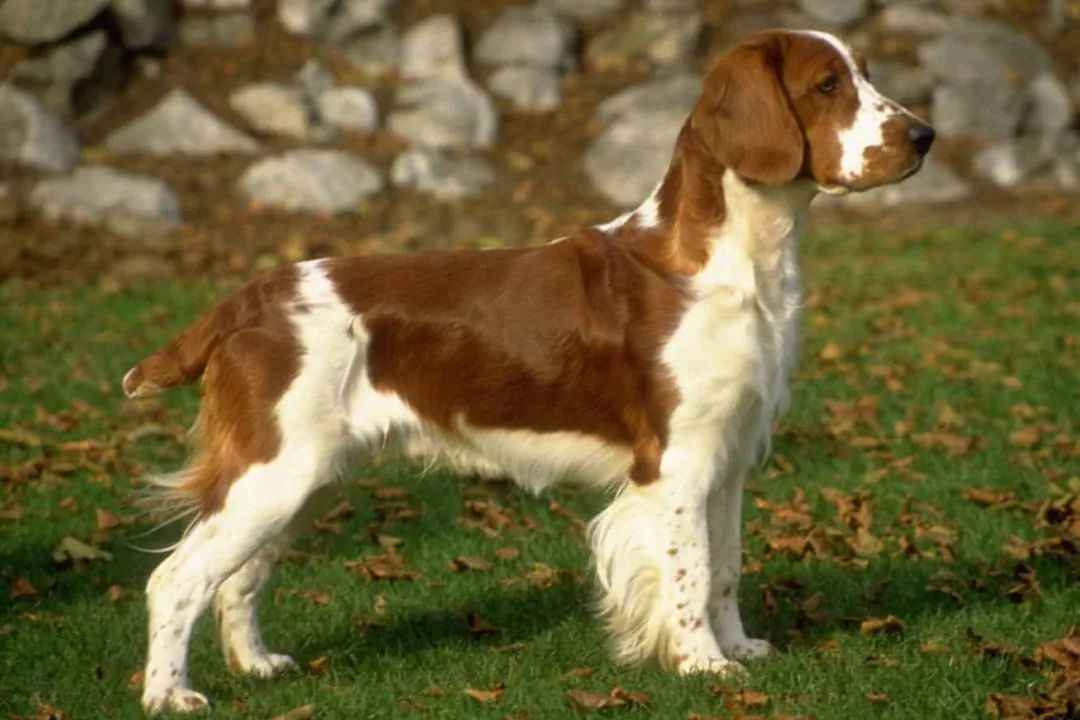
Originally known as the "Land Spaniel," the Welsh Springer earned its name "Springer" from its spring-like leaps, which drove game toward hunters or falcons. Historical records show that Welsh hunters had bred red-and-white spaniels by the 16th century. While this coloration once flourished in England, it was preserved in pure form in Wales. In the late 19th century, breeder A.T. Williams’ dogs dominated hunting competitions, boosting the breed’s popularity. Today, though rare (the AKC registers only ~300 puppies annually), Welsh Springers thrive in search-and-rescue missions and agility trials—such as Lucky, the 功勋犬 (meritorious dog) that aided in the Turkish earthquake rescue efforts.
A "velcro dog" by nature, the Welsh Springer is intensely loyal to family but wary of strangers. With a lively temperament and high intelligence, it bonds well with children but requires at least 2 hours of daily vigorous exercise to channel its energy. Early socialization is crucial to mitigate separation anxiety and excessive barking. While adaptable to apartment living, the breed needs ample outdoor activity and mental stimulation to thrive.
Living 12–15 years on average, Welsh Springers may face hip dysplasia, glaucoma, and thyroid issues. Regular eye exams and hip screenings are vital for preventive care. Their double coat demands weekly brushing, and ears must stay dry to avoid infections. Though moderate shedders, consistent grooming maintains their elegant appearance.
From Welsh hunting grounds to modern living rooms, the Welsh Springer Spaniel balances rugged working prowess with tender companionship. Whether alerting rescuers in disaster zones or curling up on a couch, this ancient breed embodies the timeless charm of "elegance meets utility."