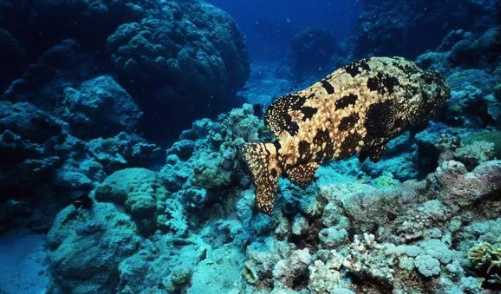
This hybrid’s appeal lies in its exceptional adaptability and culinary value. Thriving in both brackish and marine environments, it exhibits faster growth rates than purebred groupers, reaching market size in 1.5–2 years—a boon for fisheries facing dwindling wild stocks. Its flesh, tender and low in fat, is prized in gourmet cuisine, particularly in Chinese and Southeast Asian markets, where it is celebrated for its delicate flavor in steamed or braised dishes. Beyond aquaculture, the pearl grouper’s hardiness has sparked interest in reef restoration projects, as it occasionally inhabits natural coral reefs, though its role in wild ecosystems remains understudied.
However, the pearl grouper’s success raises ecological concerns. As a non-native hybrid, escaped individuals could potentially outcompete native grouper species for resources or introduce genetic contamination to wild populations. Conservationists emphasize the need for strict biosecurity measures in aquaculture to prevent unintended environmental impacts. Meanwhile, its popularity has alleviated pressure on overfished wild groupers like Epinephelus lanceolatus, offering a sustainable alternative for seafood lovers. Balancing innovation with responsibility, the pearl grouper symbolizes humanity’s ability to harness nature’s diversity while highlighting the fragile line between cultivation and conservation in the world’s oceans.