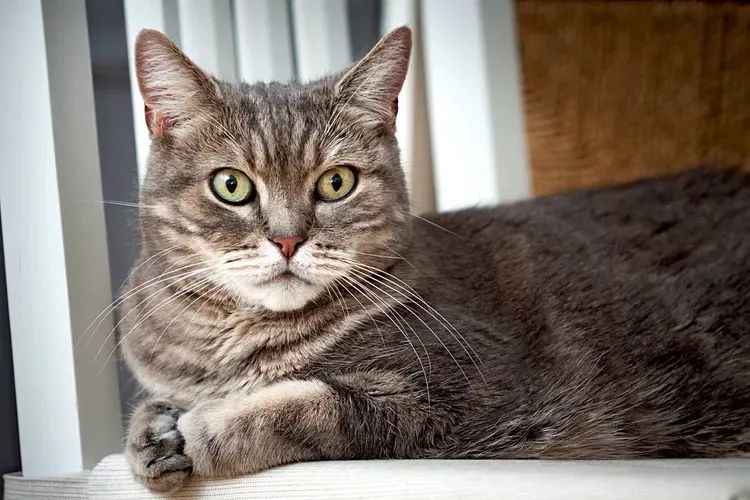
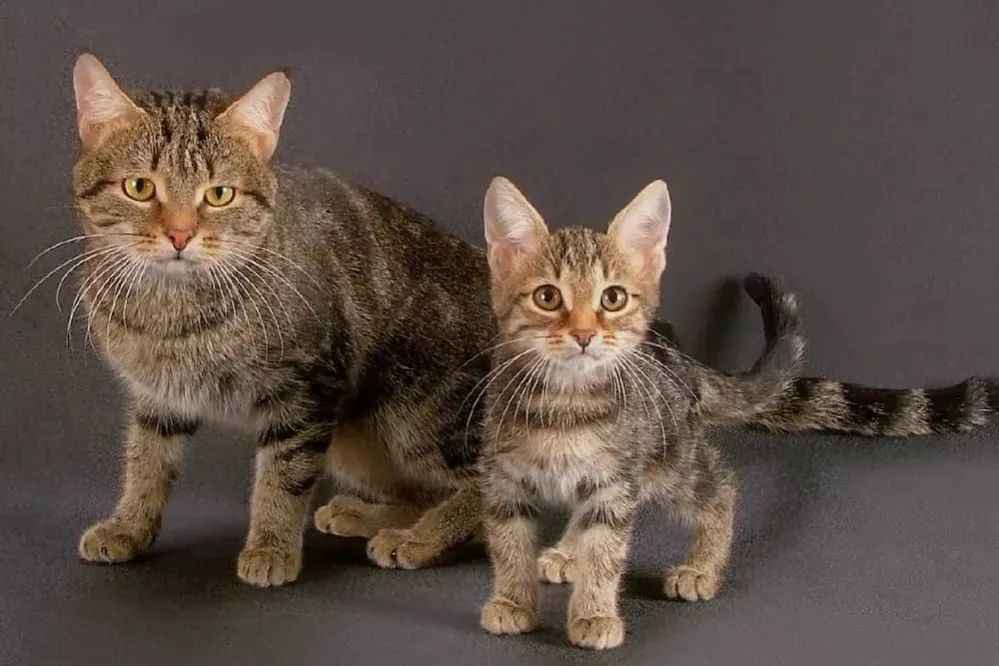
Physically, European Shorthairs boast a well-proportioned body, with males typically weighing 5–7 kg and females 3–5 kg. Their coats come in a wide array of colors and patterns, from solid blacks and whites to tabbies and tortoiseshells, adding to their visual appeal. Their almond-shaped eyes, which range in hue from green to amber, exude an alert and intelligent expression.
Source: Images from the Internet, if there is any infringement, please contact the removal of
Beyond their looks, these cats are celebrated for their balanced temperament. They are neither overly clingy nor aloof, striking a perfect chord between independence and affection. European Shorthairs thrive in various environments, whether in bustling city apartments or spacious rural homes, and generally get along well with children and other pets.
Historically, they trace back to working cats in ancient Europe, valued for their prowess in hunting rodents. Over time, natural selection shaped their strong health and resilience, with few breed-specific health issues—a trait that remains a hallmark today. Unlike many pedigreed breeds, European Shorthairs developed organically, with formal recognition as a distinct breed emerging in the 20th century.
For families seeking a low-maintenance yet engaging pet, the European Shorthair proves an ideal choice. Their easygoing nature, combined with a playful streak that lasts well into adulthood, ensures they remain a cherished member of the household for years to come.