Canine News

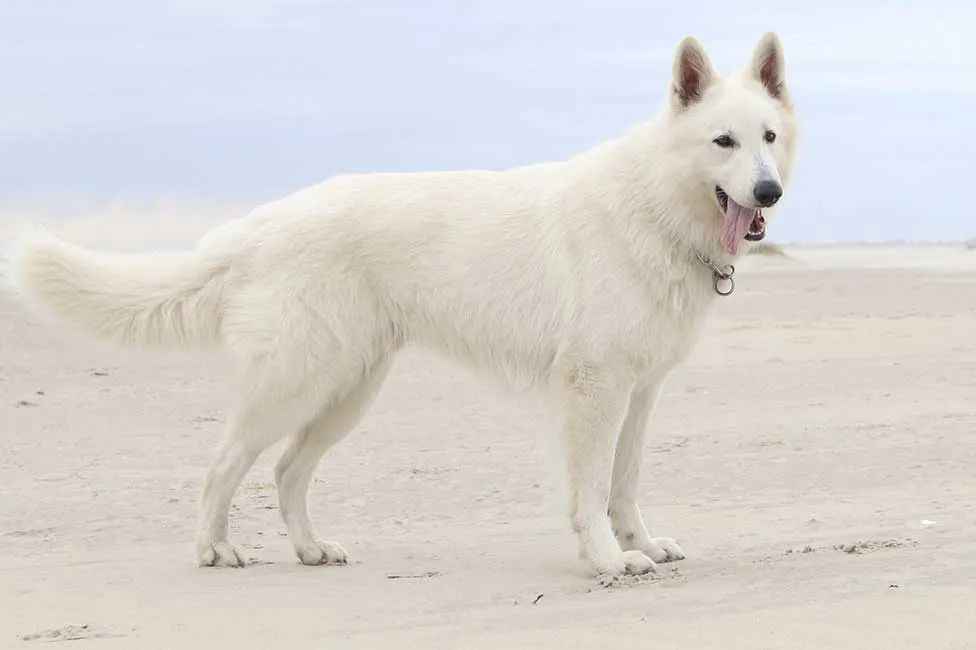
American White Shepherd: The Perfect Blend of Elegance and Loyalty
Originating in the early 20th century, the American White Shepherd traces its lineage to the German Shepherd. Due to a recessive white coat gene, these dogs were long considered "flawed" in Germany and systematically culled from breeding programs12. However, North American breeders recognized their unique appeal and selectively developed them into a distinct breed, officially acknowledged by the United Kennel Club (UKC) in 199917
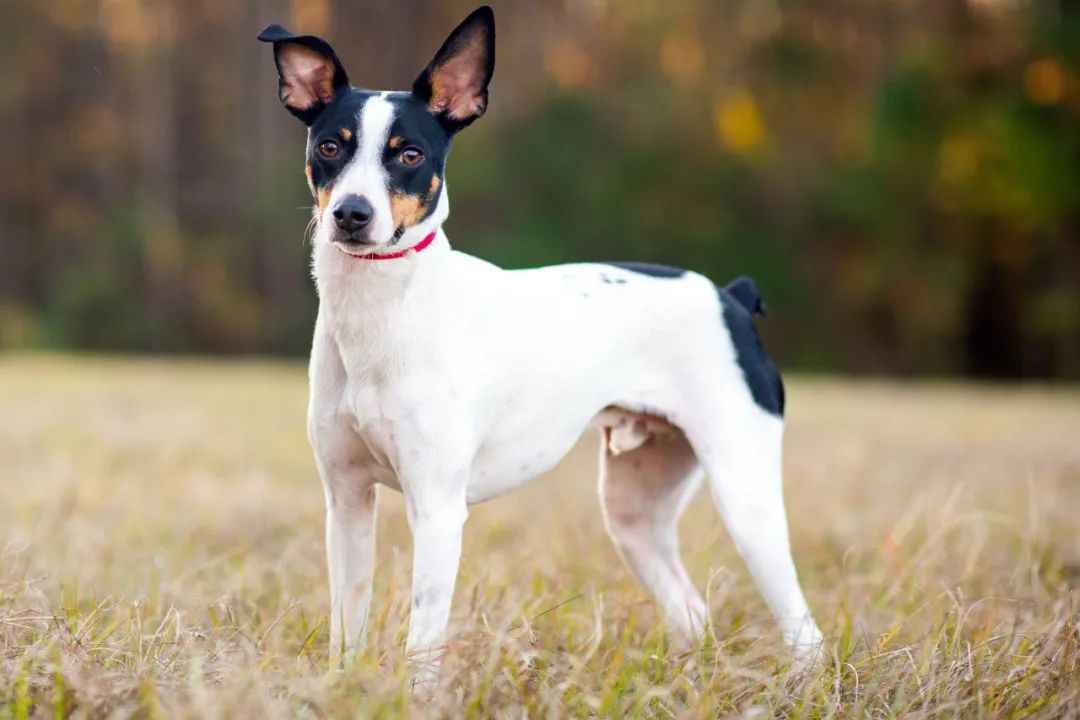
The Versatile Companion with a Rich Heritage Subtitle: From Farm Pest Control to Beloved Family Pet
The Rat Terrier, a spirited and agile breed with roots deeply embedded in American history, has evolved from a farmstead workhorse to a cherished household companion. Originating in the 19th century, these dogs were meticulously developed by crossbreeding English Smooth Fox Terriers, Manchester Terriers, and Whippets to create a versatile hunting and vermin-control dog14. Their name reflects their primary purpose: eradicating rat infestations on farms, a role they excelled at due to their speed, tenacity, and sharp instincts. Notably, they were even favored by President Theodore Roosevelt, who
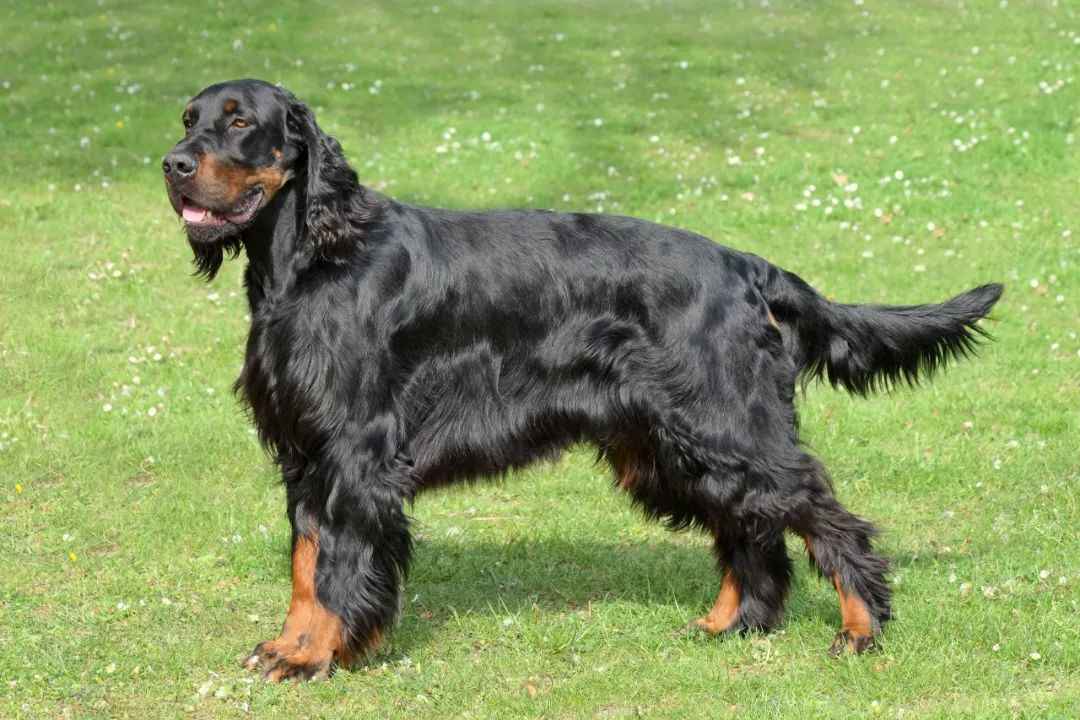
The Majestic Gordon Setter: A Royal Hunter's Legacy as a Beloved Family Companion
In the canine realm, the Gordon Setter stands out for its imposing presence and tender disposition, captivating dog enthusiasts worldwide. Originating in 18th-century Scotland, this breed was developed by the 4th Duke of Gordon for highland bird hunting, earning fame for its acute sense of smell, remarkable stamina, and elegant hunting prowess.

Lovable Dachshunds: A Deep Dive into the History, Traits, and Health of the Sausage Dog
Dachshunds, affectionately known as "sausage dogs" or "wiener dogs," are one of the world’s most recognizable and beloved breeds. Originating in Germany, these pint-sized pups were initially bred in the 18th century to hunt badgers and other burrow-dwelling animals, with their elongated bodies and short legs perfectly adapted for navigating tight underground tunnels . The name "Dachshund" itself translates to "badger dog" in German, reflecting their historical role as tenacious hunters
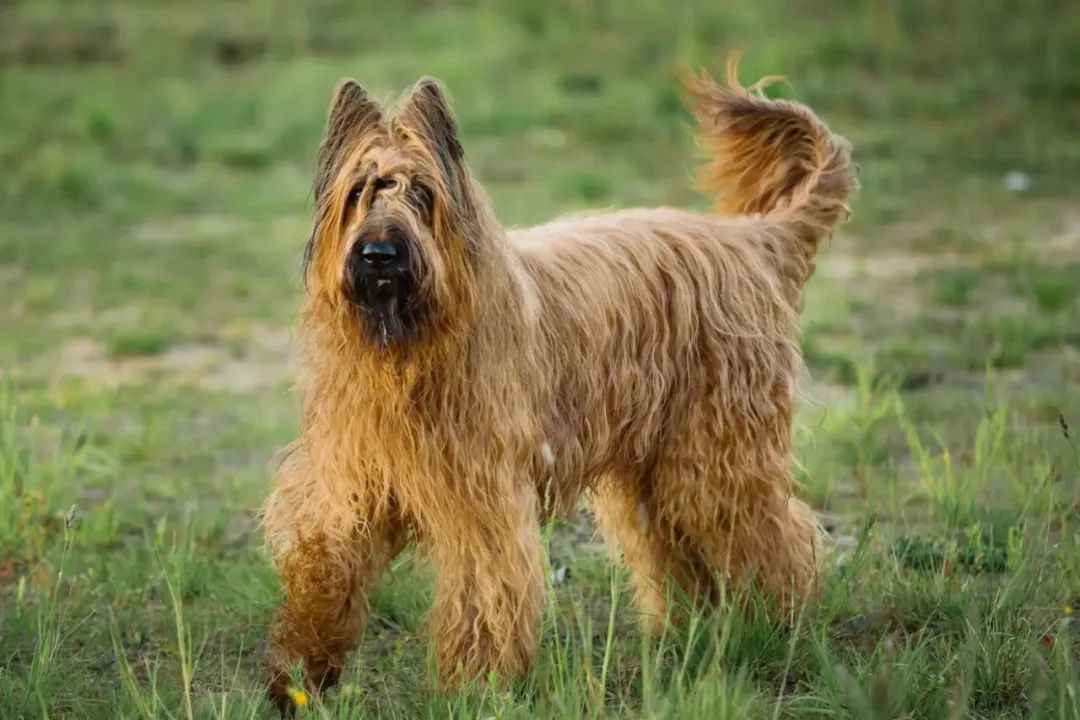
The French Loyal Companion: The History and Modern Appeal of the Briard
The Briard, one of France’s oldest herding dog breeds, traces its origins back to the 8th century AD, with legends linking it to Charlemagne’s favor13. The breed’s name may derive from "Chien d'Aubry," a 12th-century hound celebrated for defending its master, Lord of Montdidier, against assassins13. In the 18th century, French veterinarian François Rozier first documented "berger" (shepherd) dogs in his work, and the Briard’s official standard was established by the French Shepherd Dog Club in 189613.
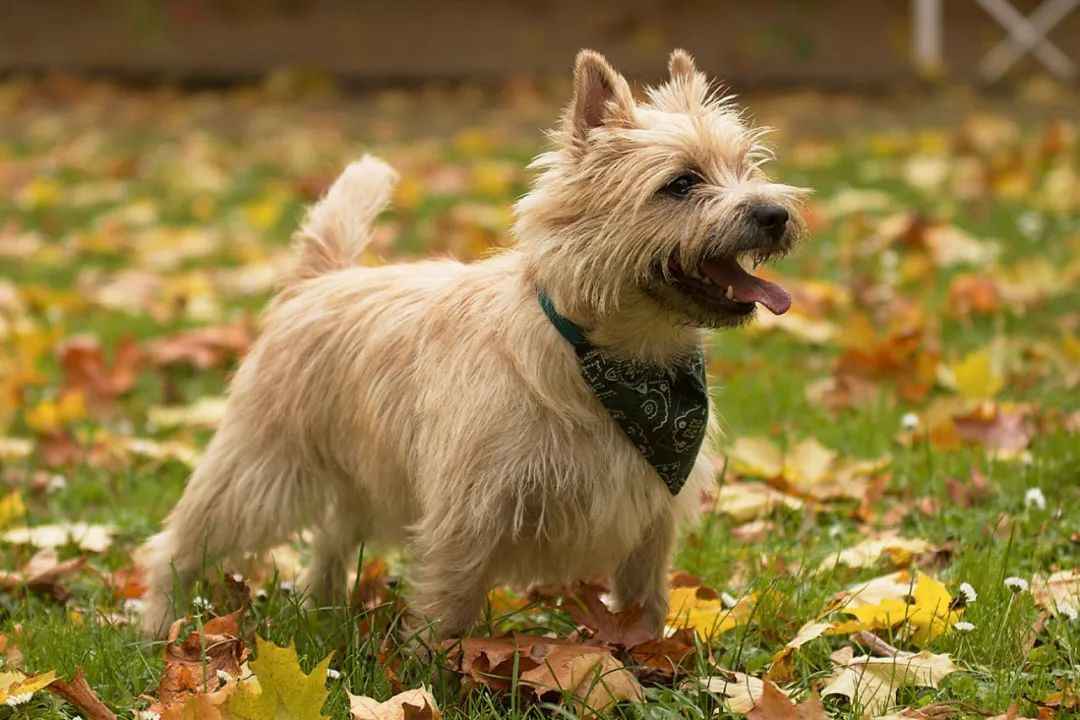
Cairn Terrier: The Resilient Scottish Hunter Turned Beloved Family Companion
Originating from the Scottish Highlands, the Cairn Terrier is celebrated for its fearless hunting instincts and loyal companionship. Despite global population declines, this ancient breed continues to shine in international dog shows in 2025, captivating dog lovers worldwide with advancements in health research and remarkable adaptability.
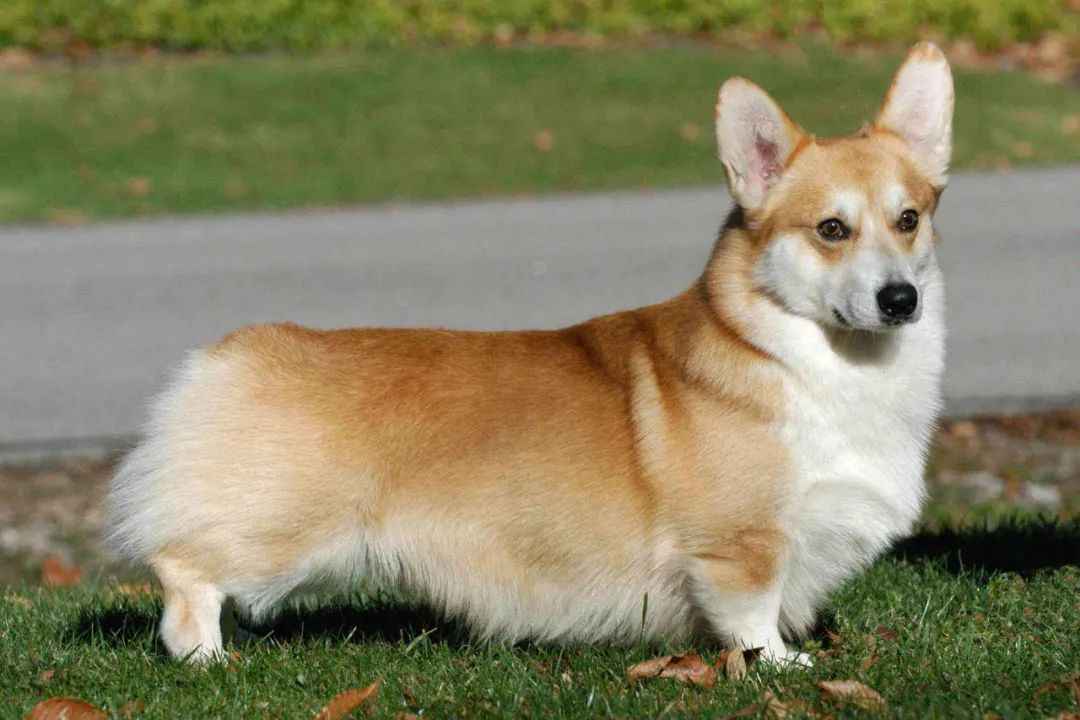
Charming Pembroke Welsh Corgi: A Beloved Breed with Royal Charms and Distinctive Traits
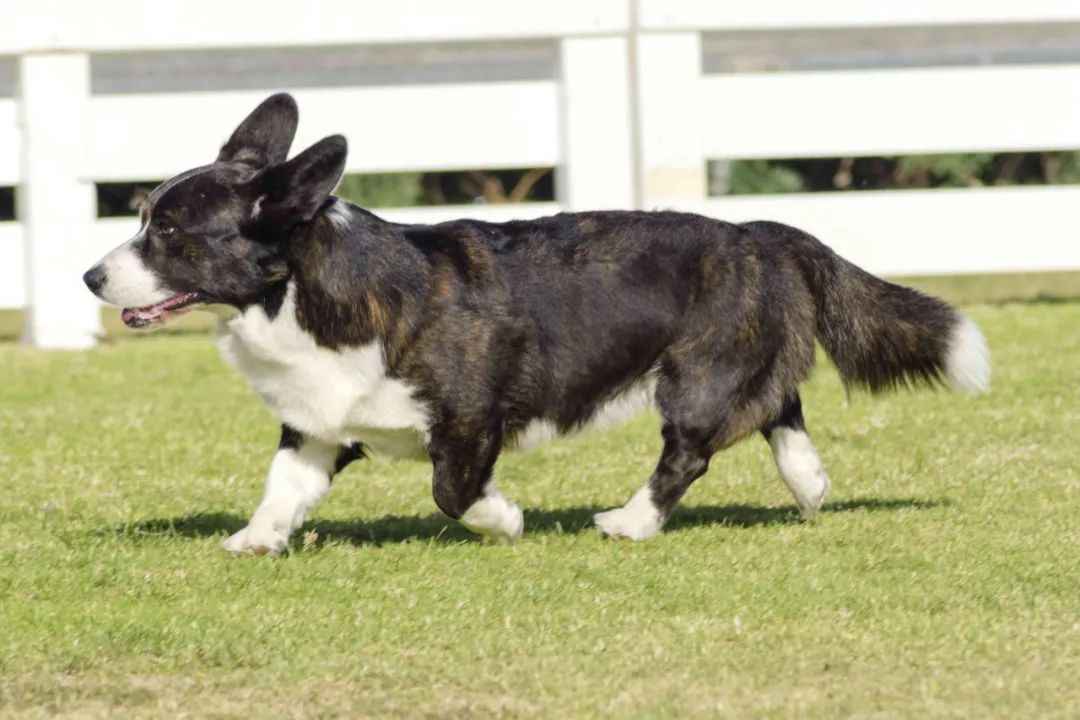
The Pembroke Welsh Corgi, one of Britain’s most iconic dog breeds, has won global hearts with its adorable appearance, lively personality, and deep connection to the British royal family. Originating in Wales with a history spanning centuries, this small herding dog has evolved into a beloved companion for countless families worldwide.
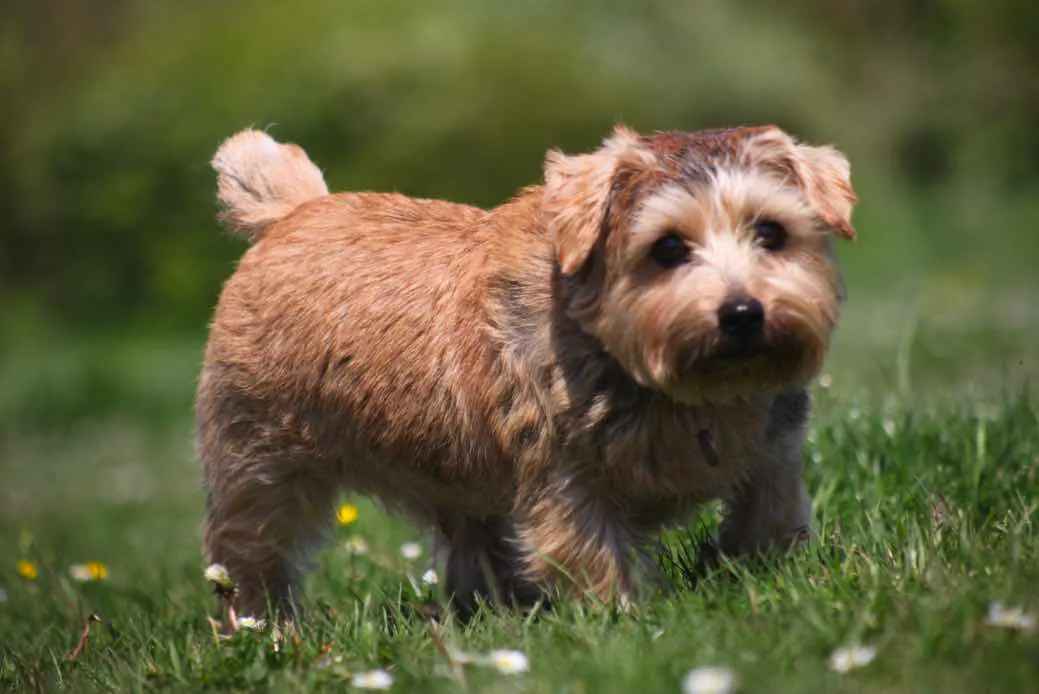
Norfolk Terrier: A Complete Guide to Britain’s Ancient Drop-Eared Working Terrier
Hailing from Norfolk County, England, the Norfolk Terrier is a small working terrier breed developed on rural farms in the 19th century 5. Initially classified alongside its close relative, the Norwich Terrier, the two were distinguished solely by ear carriage—the Norfolk with drop ears and the Norwich with prick ears 10. The Kennel Club officially recognized the drop-eared variety as a separate breed in 1964, followed by the American Kennel Club (AKC) in 1979 3. These dogs were once cherished by Cambridge University students as mascots, valued for their exceptional ratting skills and loyal co
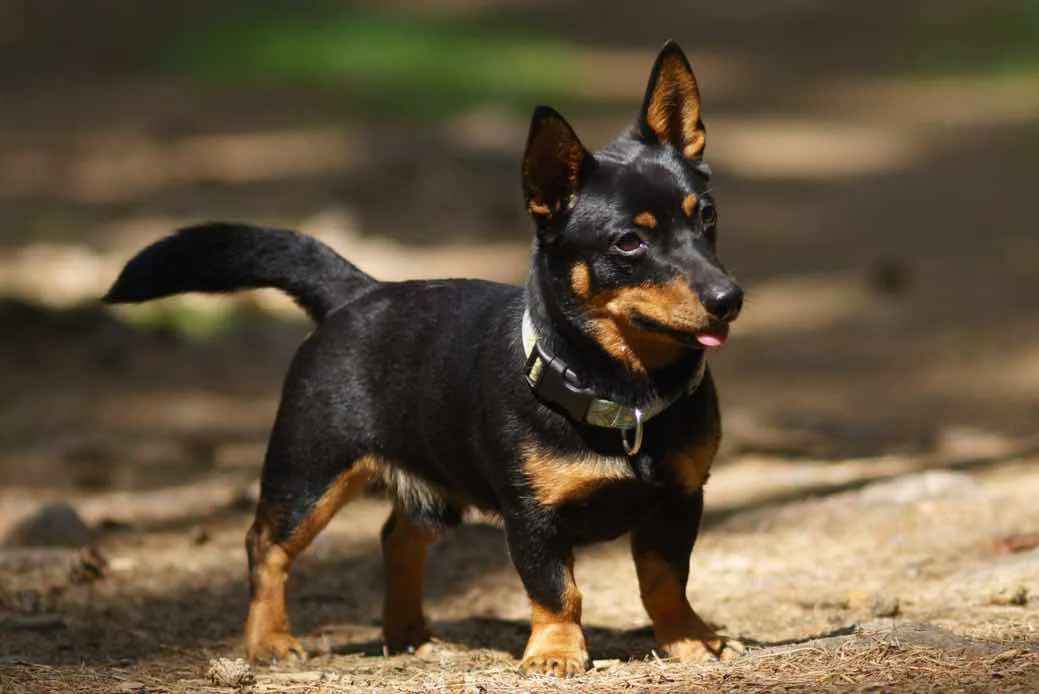
Lancashire Heeler: The Resilient Herding Dog with a Storied Past
The Lancashire Heeler, a diminutive yet spirited breed hailing from England’s Lancashire region, has gained international attention since its 2024 recognition by the American Kennel Club (AKC) as the 201st official breed 45. Revered for its agility and intelligence, this "smallest drover in the world" has evolved from a versatile farmhand to a cherished companion, captivating dog enthusiasts with its unique blend of history and charm.
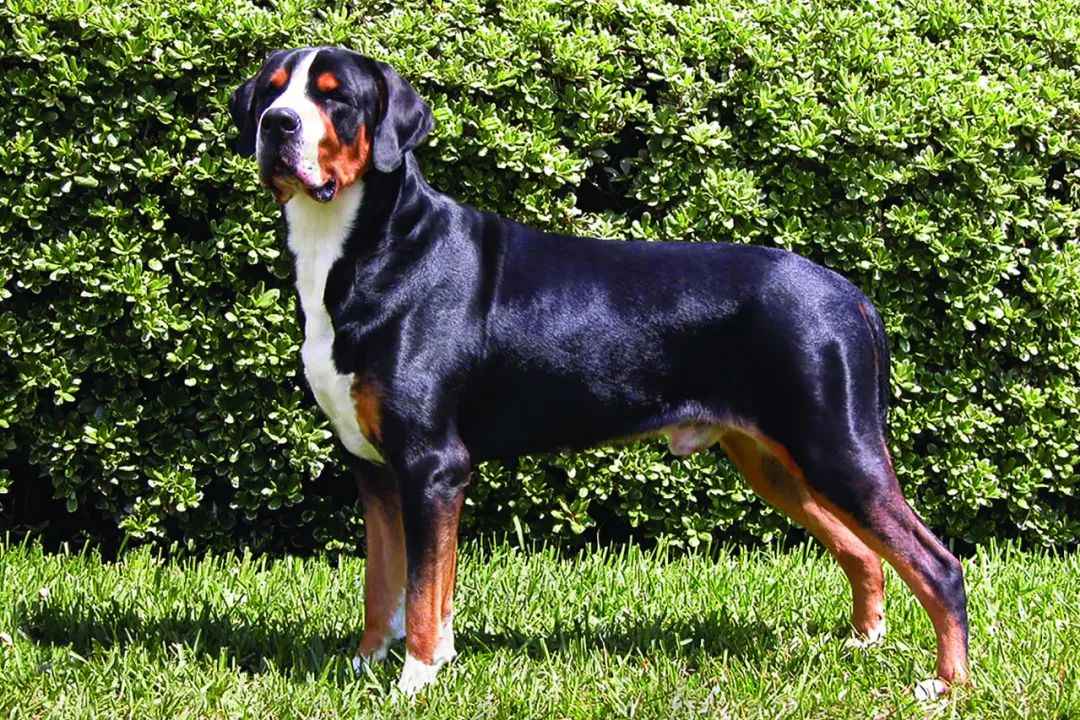
The Majestic Guardian of the Alps
The Greater Swiss Mountain Dog, one of Switzerland's oldest breeds, traces its roots back to ancient Rome. In 58 BCE, Roman legions introduced mastiffs to the Swiss Alps, which interbred with local dogs to form this distinctive breed1. For centuries, they served as indispensable farmhands in remote Alpine regions, herding livestock, guarding homes, and pulling carts laden with goods14. By the late 19th century, industrialization nearly drove them to extinction until canine expert Dr. Albert Heim rediscovered the breed in 1908. The Swiss Kennel Club officially recognized it in 1910, and the Ame
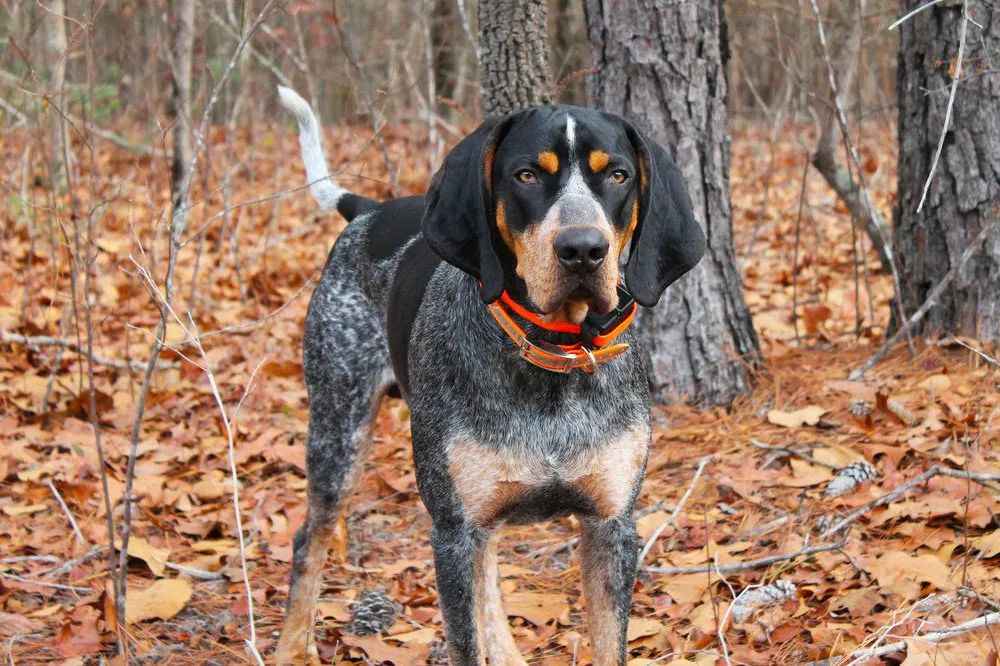
Unveiling the Bluetick Coonhound: A Majestic Breed Merging Grace and Wild Instincts
The Bluetick Coonhound, one of North America’s most iconic hunting dogs, stands out for its striking blue-black ticked coat and unparalleled tracking prowess. Originating in 19th-century America through crossbreeding French Gascony hounds, English Foxhounds, and native American hounds, this breed was specifically developed to pursue raccoons, opossums, and other game1112. Recognized as a distinct breed by the United Kennel Club in 1946 and fully acknowledged by the AKC in 2009, it has cemented its legacy as a versatile working dog10.
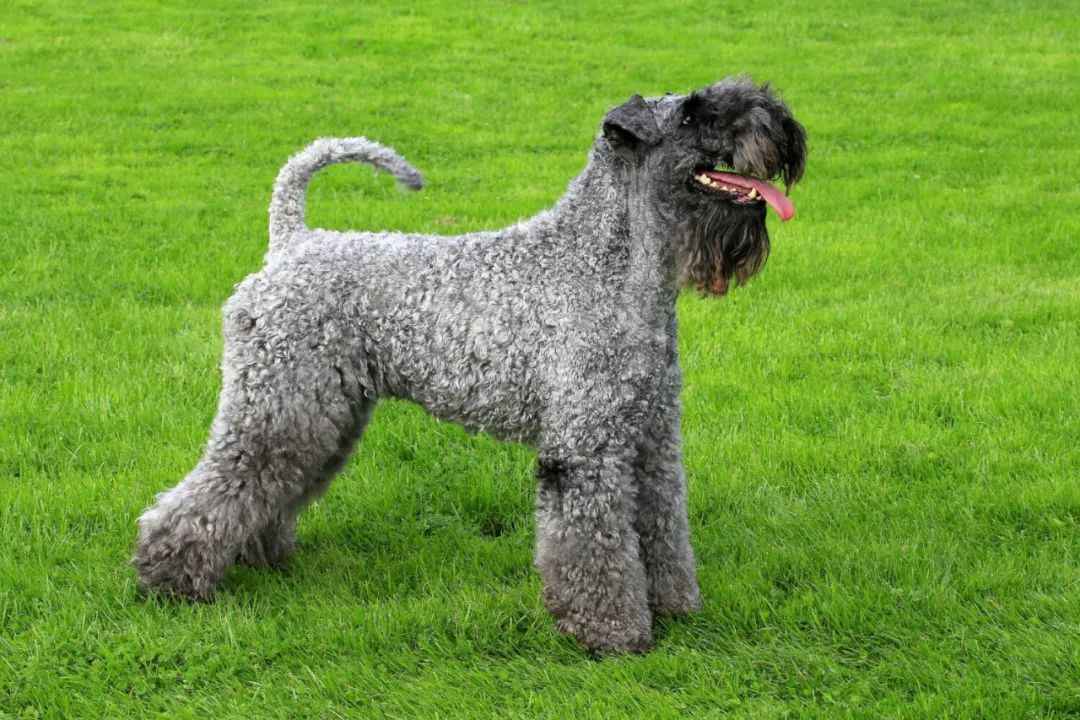
Exclusive: Kerry Blue Terrier – A Timeless Irish Breed with Unique Charisma
The Kerry Blue Terrier, hailing from the Emerald Isle, is a breed steeped in history and charm. Revered for its striking blue-gray coat and versatile working abilities, this medium-sized terrier has captured hearts worldwide. Here’s an in-depth look at this beloved Irish canine.
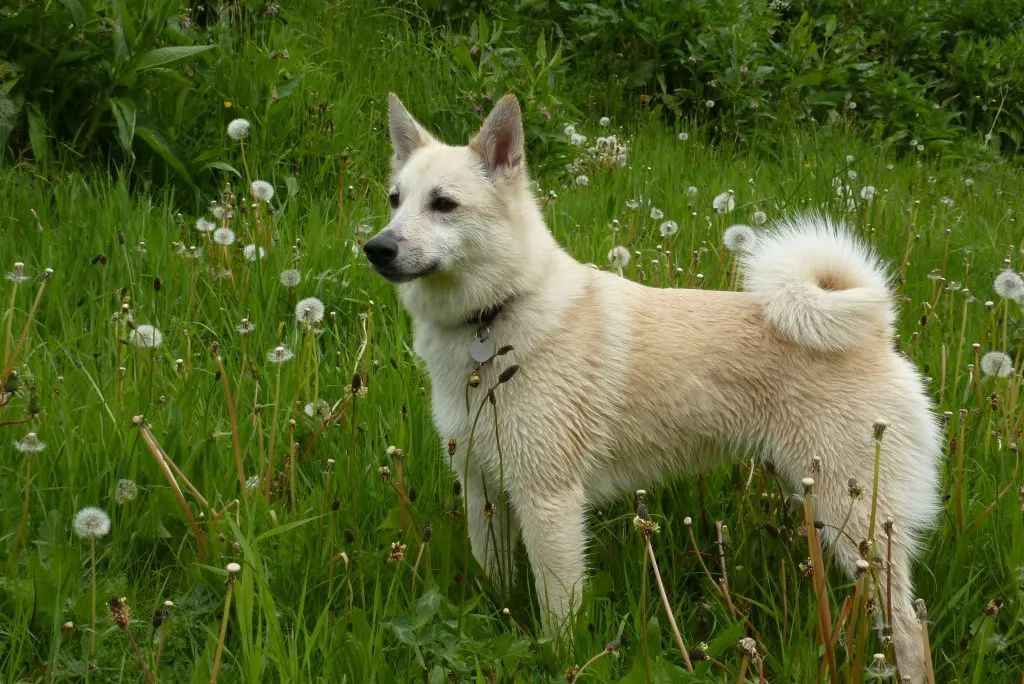
Norwegian Buhund: The Loyal Guardian of Nordic Millennium Farms
The Norwegian Buhund, an ancient breed tracing back to the Viking era, continues to safeguard Nordic lands with its tenacity and intelligence. Archaeological findings reveal that its ancestors voyaged with Viking pirates and were buried alongside their owners in Viking tombs dating to 900 AD. The term "Buhund" in Norwegian translates to "farm dog," aptly summarizing its historical role as a versatile working dog—herding livestock, guarding farms, and even fending off predators like bears and wolves
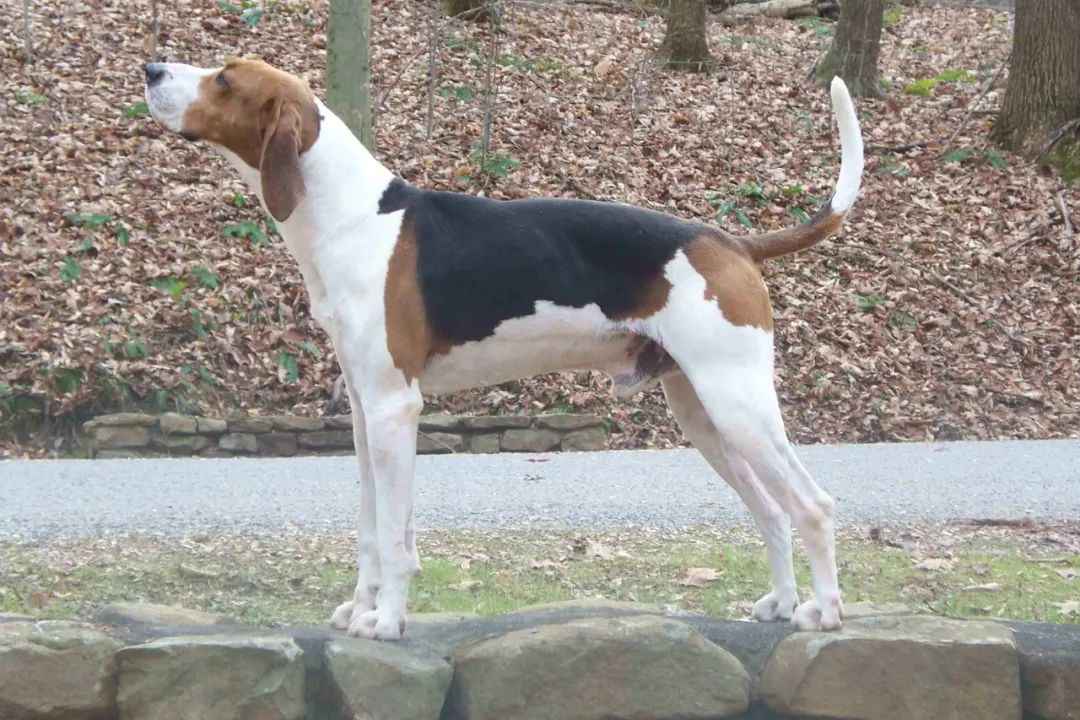
Meet the Treeing Walker Coonhound: A Loyal Hunting Companion with Exceptional Treeing Skills
The Treeing Walker Coonhound, a breed deeply rooted in American hunting heritage, is celebrated for its unmatched tracking abilities and unwavering loyalty. Developed in the 19th century by crossing English Foxhounds with the mysterious "Tennessee Lead" dog of unknown origin, this breed was refined to excel at chasing raccoons up trees—a skill that earned it the name "treeing"111. Recognized by the United Kennel Club (UKC) in 1945 and the American Kennel Club (AKC) in 2012, it has become a beloved working dog and family companion311
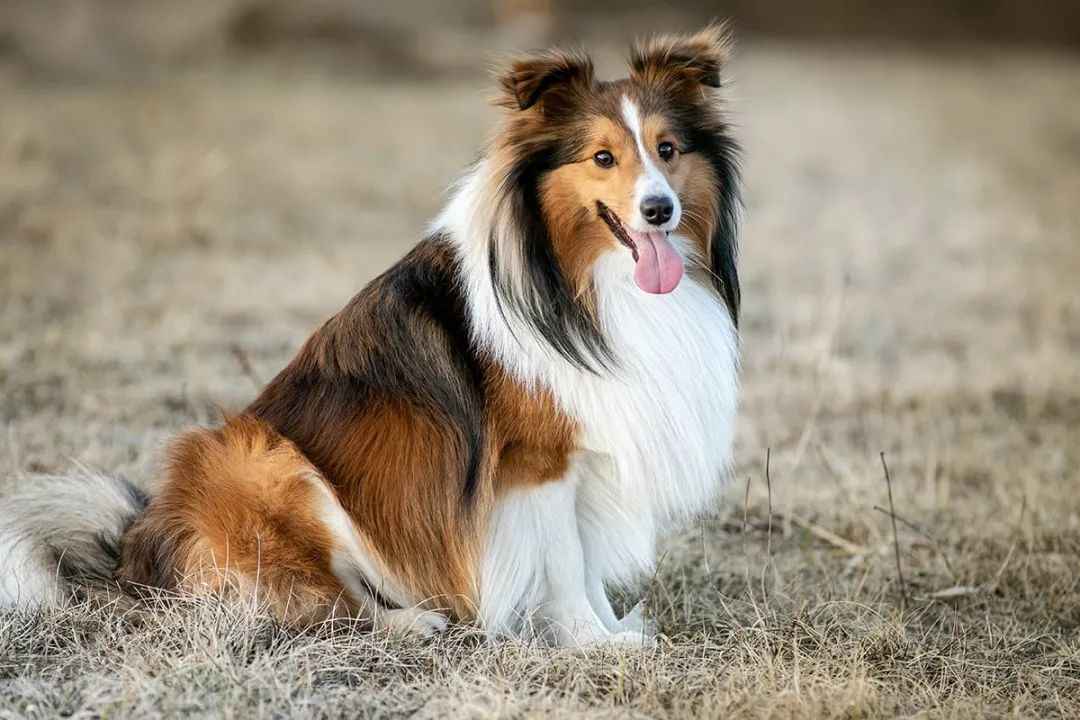
Adorable Shetland Sheepdog: A Complete Guide to This Loyal Breed
The Shetland Sheepdog, affectionately known as the "Sheltie," is a captivating breed with a rich history and endearing characteristics. Originating from the rugged Shetland Islands off the coast of Scotland, these small herding dogs were initially bred to manage sheep and livestock in harsh climates 34. Their lineage includes crosses with Scandinavian Spitz breeds and Scottish collies, resulting in a compact yet hardy dog with exceptional intelligence and agility 9.
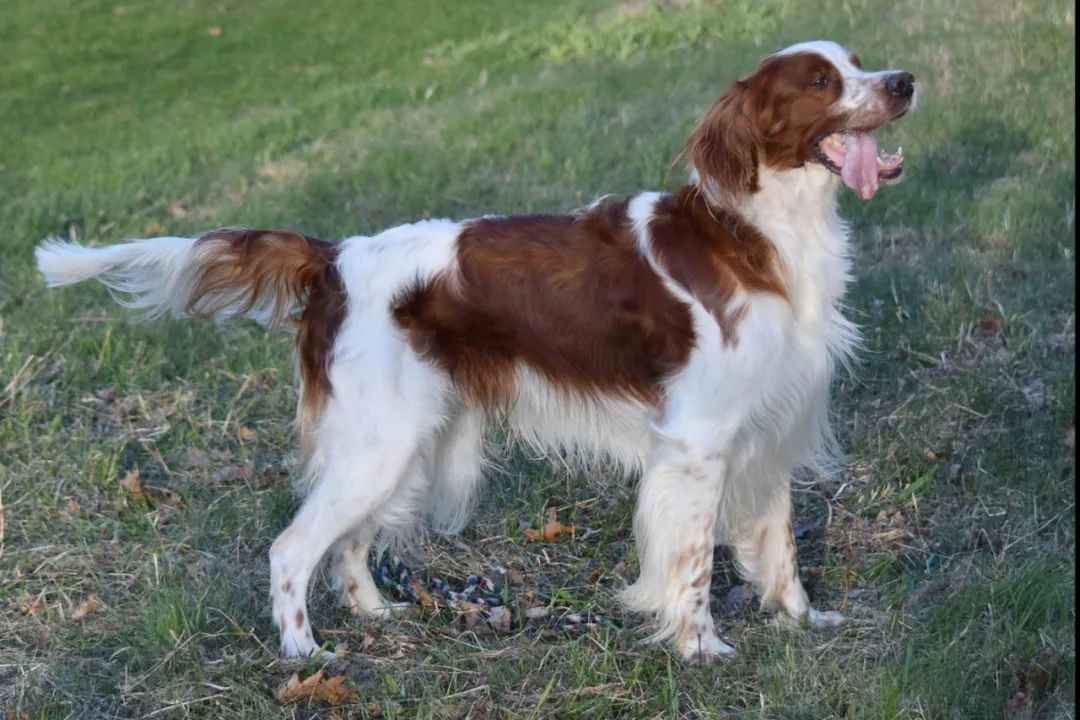
White Setter: A Timeless Legacy of Grace and Grit
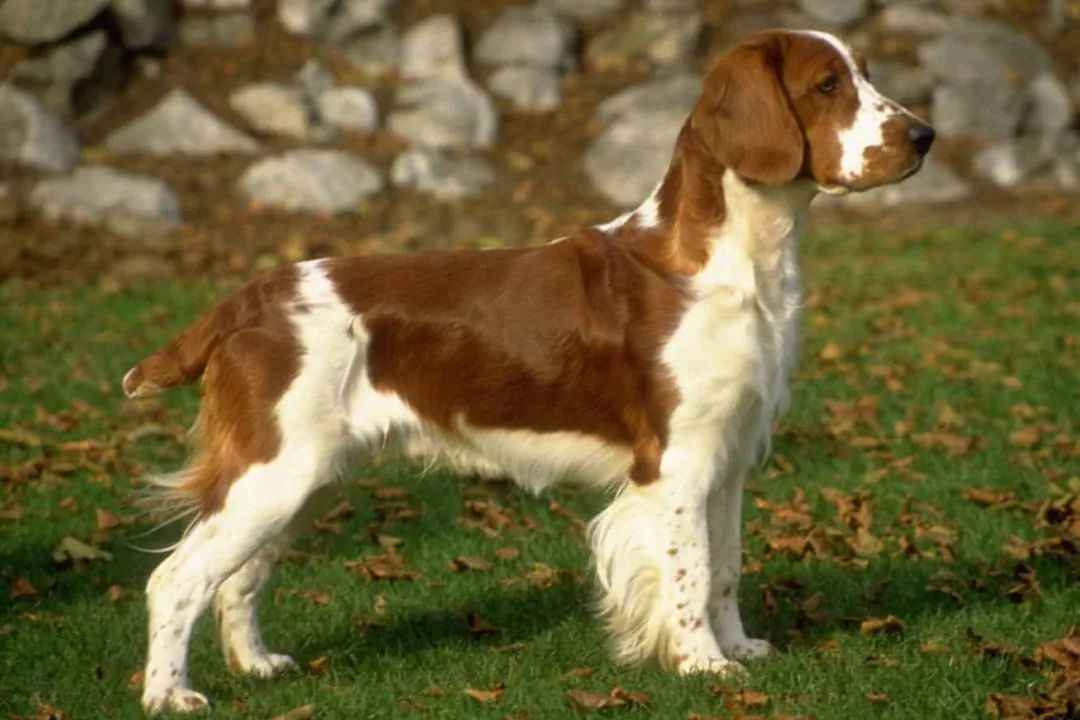
The Irish Red and White Setter, a breed steeped in centuries of history, has captivated dog enthusiasts with its striking appearance and unwavering loyalty. Originating in 17th-century Ireland, these dogs were initially developed as versatile hunting companions, adept at locating game birds by scent and "setting"—crouching motionless to signal their position—a technique honed long before firearms became prevalent 116. Their distinctive red-and-white coat, designed for visibility in diverse terrains, made them indispensable to hunters, particularly when working at a distance 19
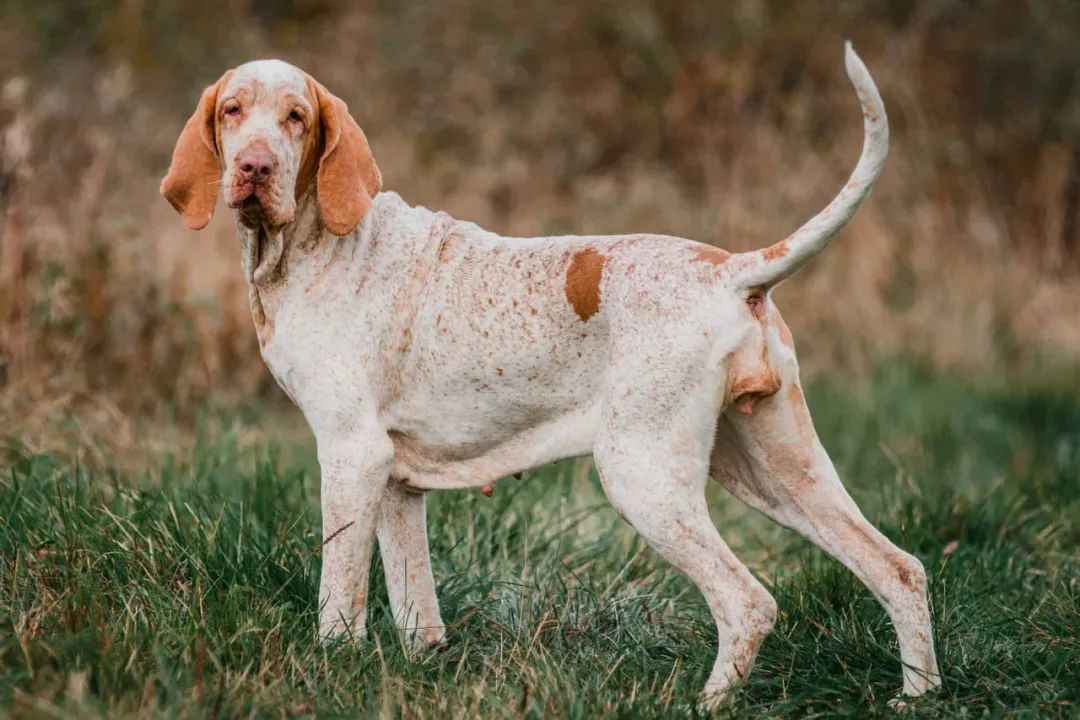
Bracco Italiano: The Timeless Guardian of Italy’s Hunting Legacy
The Bracco Italiano, one of Europe’s oldest pointing dog breeds, traces its origins back to the 4th–5th century BCE46. Developed in northern Italy through crosses between Segugio Italiano hounds and Asiatic mastiffs, this versatile breed excels in tracking, pointing, and retrieving game37. Revered by Renaissance nobility like the Medici family, it was prized as a diplomatic gift and spread across Europe before facing near-extinction in the 19th century. Thanks to dedicated Italian breeders, the Bracco was revived mid-20th century and gained full AKC recognition in 2022 as a Sporting Group memb
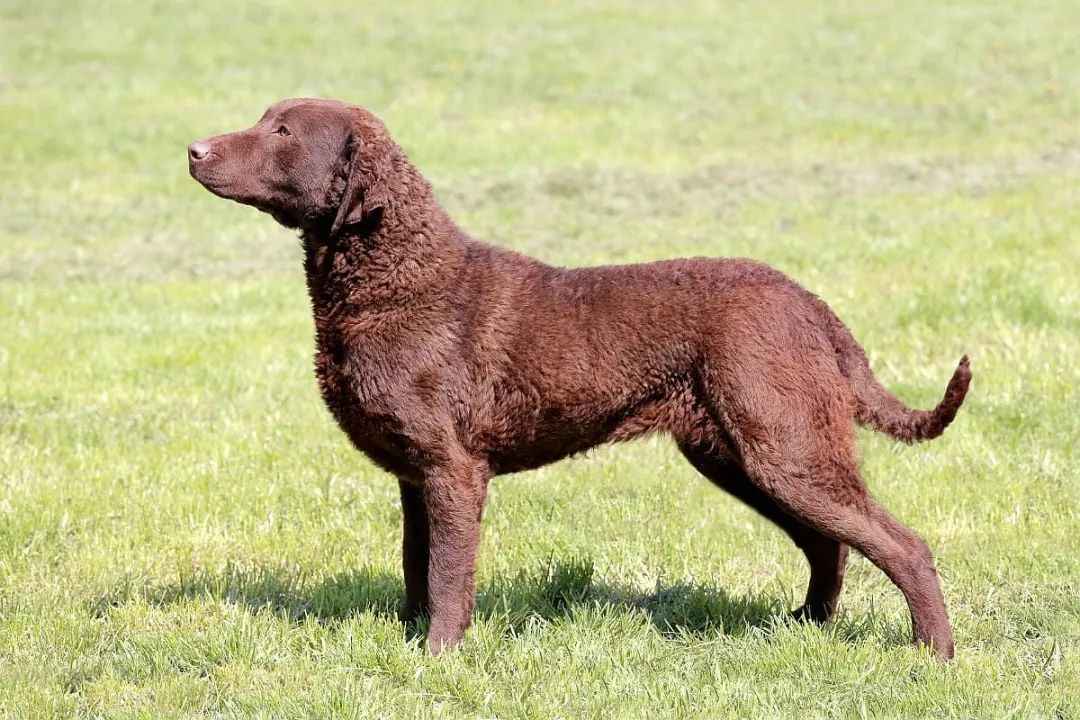
Chesapeake Bay Retriever: America’s Resilient Waterfowl Hunter and Loyal Companion
The Chesapeake Bay Retriever, affectionately known as the "Chessie," is a breed forged by nature and necessity along the rugged shores of Maryland’s Chesapeake Bay. Developed in the 19th century, these dogs emerged from a maritime legend: two shipwrecked Newfoundland puppies, "Sailor" and "Canton," rescued in 1807, became the foundation of this iconic breed 13. Bred to retrieve waterfowl in icy waters and harsh weather, Chessies quickly became indispensable to local hunters, capable of hauling 100–200 ducks daily from frigid bays 1
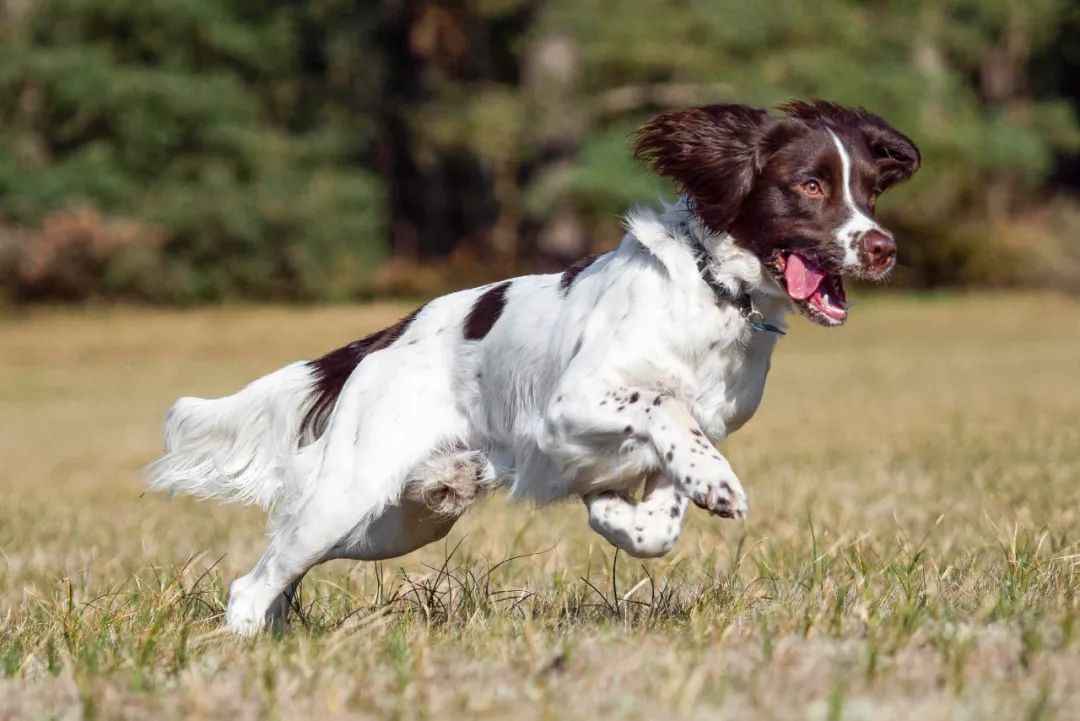
The Perfect Blend of Grace and Agility – From the Hunting Fields to Beloved Family Companions
Originating in 19th-century England, the English Springer Spaniel is a medium-sized sporting dog originally bred to flush and retrieve game in challenging terrains. As one of the oldest gun dog breeds, its name "Springer" stems from its unique ability to "spring" prey, historically aiding falconers and net hunters. Today, it excels in modern hunting, search-and-rescue missions, and as a versatile family pet. Appearance

Epagneul Breton: A French Icon of Grace and Sporting Excellence
The Epagneul Breton, or Brittany Spaniel, stands as a testament to France’s rich heritage of sporting dog breeds. Originating from the Brittany region, this breed traces its roots to medieval times, where it was developed by farmers and hunters to excel in rugged terrains for bird hunting. The first officially registered Epagneul Breton, named "Le Garçon," emerged in 1907, marking the breed’s formal recognition. It was later acknowledged by the American Kennel Club (AKC) in 1934 and renamed "Brittany" in 1982